Medizinonline Medizinonline
  • News
    • News
    • Market & Medicine
  • Patients
    • Disease patterns
    • Diagnostics
    • Therapy
  • Partner Content
    • Diabetes
      • Dia-Month Club – Type 2 Diabetes
      • Diabetes in Motion
      • Diabetes Podcasts
    • Gastroenterology
      • IBD matters
    • Oncology
      • Swiss Oncology in motion
    • Orthopedics
      • Osteoporosis in motion
  • Departments
    • Allergology and clinical immunology
    • General Internal Medicine
    • Anesthesiology
    • Angiology
    • Surgery
    • Dermatology and venereology
    • Endocrinology and Diabetology
    • Nutrition
    • Gastroenterology and Hepatology
    • Genetics
    • Geriatrics
    • Gynecology
    • Hematology
    • Infectiology
    • Cardiology
    • Nephrology
    • Neurology
    • Emergency and intensive care medicine
    • Nuclear Medicine
    • Oncology
    • Ophthalmology
    • ORL
    • Orthopedics
    • Pediatrics
    • Pharmacology and toxicology
    • Pharmaceutical medicine
    • Phlebology
    • Physical medicine and rehabilitation
    • Pneumology
    • Prevention and health care
    • Psychiatry and psychotherapy
    • Radiology
    • Forensic Medicine
    • Rheumatology
    • Sports Medicine
    • Traumatology and trauma surgery
    • Tropical and travel medicine
    • Urology
    • Dentistry
  • CME & Congresses
    • CME continuing education
    • Congress Reports
    • Congress calendar
  • Practice
    • Noctimed
    • Practice Management
    • Jobs
    • Interviews
  • Log In
  • Register
  • My account
  • Contact
  • Publications
  • Contact
  • Deutsch
  • English
  • Français
  • Italiano
  • Português
  • Español
Subscribe
Medizinonline Medizinonline
  • News
    • News
    • Market & Medicine
  • Patienten
    • Krankheitsbilder
    • Diagnostik
    • Therapie
  • Partner Content
    • Diabetes
      • Dia-Month Club – Type 2 Diabetes
      • Diabetes in Motion
      • Diabetes Podcasts
    • Gastroenterology
      • IBD matters
    • Oncology
      • Swiss Oncology in motion
    • Orthopedics
      • Osteoporosis in motion
    • Phytotherapie
    • Rheumatology
  • Departments
    • Fachbereiche 1-13
      • Allergology and clinical immunology
      • General Internal Medicine
      • Anesthesiology
      • Angiology
      • Surgery
      • Dermatology and venereology
      • Endocrinology and Diabetology
      • Nutrition
      • Gastroenterology and Hepatology
      • Genetics
      • Geriatrics
      • Gynecology
      • Hematology
    • Fachbereiche 14-26
      • Infectiology
      • Cardiology
      • Nephrology
      • Neurology
      • Emergency and intensive care medicine
      • Nuclear Medicine
      • Oncology
      • Ophthalmology
      • ORL
      • Orthopedics
      • Pediatrics
      • Pharmacology and toxicology
      • Pharmaceutical medicine
    • Fachbereiche 26-38
      • Phlebology
      • Physical medicine and rehabilitation
      • Phytotherapy
      • Pneumology
      • Prevention and health care
      • Psychiatry and psychotherapy
      • Radiology
      • Forensic Medicine
      • Rheumatology
      • Sports Medicine
      • Traumatology and trauma surgery
      • Tropical and travel medicine
      • Urology
      • Dentistry
  • CME & Congresses
    • CME continuing education
    • Congress Reports
    • Congress calendar
  • Practice
    • Noctimed
    • Practice Management
    • Jobs
    • Interviews
Login

Sie haben noch keinen Account? Registrieren

  • Microbiome

Does depression go through the stomach?

    • Education
    • Gastroenterology and Hepatology
    • General Internal Medicine
    • Psychiatry and psychotherapy
    • RX
    • Studies
  • 2 minute read

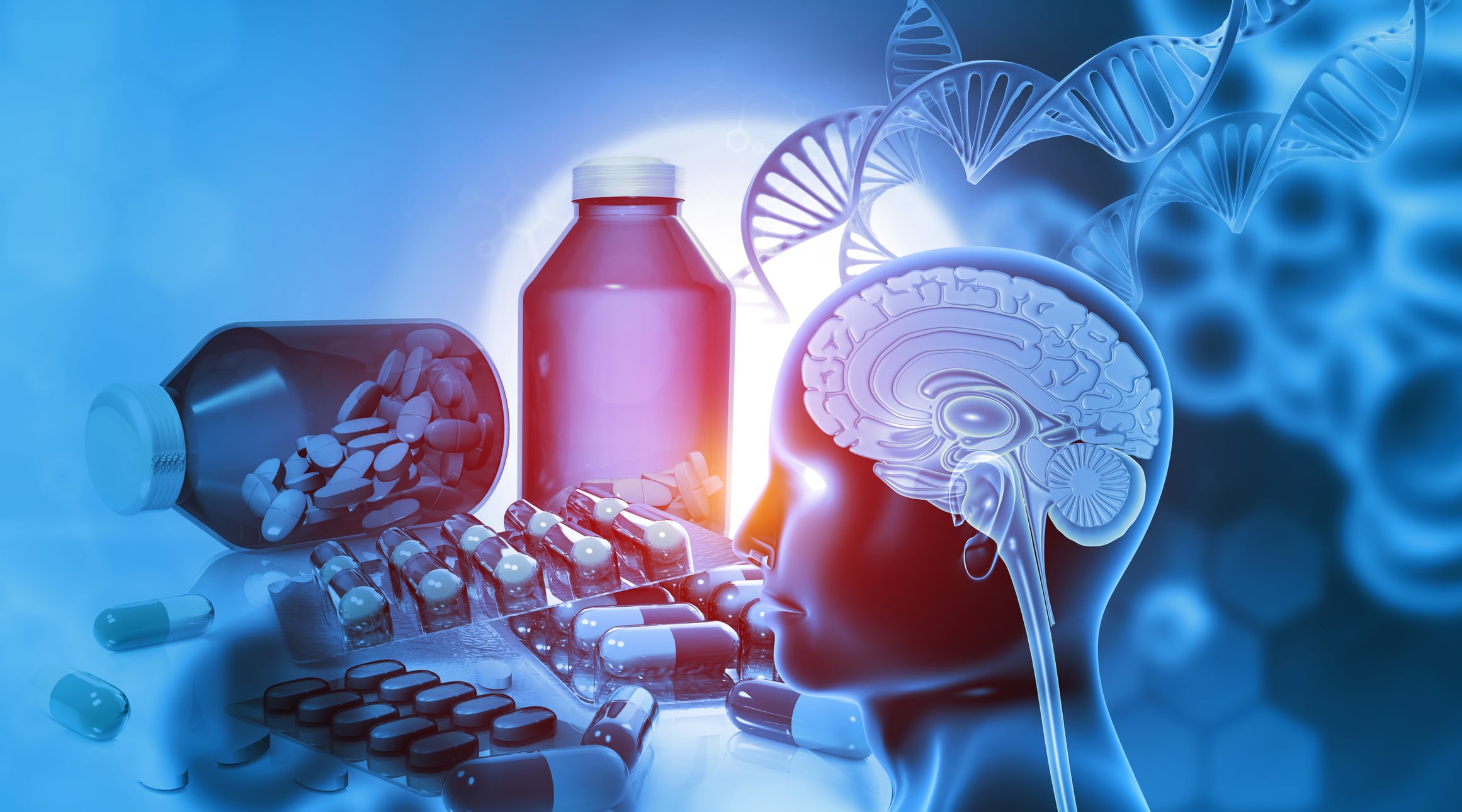
More than just a “gut feeling”: antibiotic reduces depression behavior via changes in the composition of the intestinal flora and thereby inhibits an “inflammatory process” in the brain.

Depression is one of the most common mental illnesses. Nearly one in five will be affected at some point in their lives. At least 350 million people worldwide suffer from depression.

Our psyche is regulated by various influences: the immune system, the interaction of our hormones, but also the intestinal flora, the microbiome. The bacteria of the intestinal flora are not only important for digestion, but the composition of the microbiome even significantly determines our emotional well-being and seems to be altered in depressed patients. In a study published in the online journal Translational Psychiatry, neurobiologists led by Prof. Dr. Inga Neumann, Chair of Animal Physiology and Neurobiology at the University of Regensburg, in cooperation with the teams of Prof. Dr. Rainer Rupprecht, Chair of Psychiatry and Psychotherapy at the Regensburg District Hospital, Prof. Dr. Andre Gessner from the Institute of Clinical Microbiology and Hygiene at the University Hospital Regensburg, and Prof. Dr. Isabella Heuser, Charite Berlin, investigated the exact relationship between emotionality, depression and microbiome in laboratory rats. This demonstrated that in rats that are particularly anxious and also exhibit treatment-resistant depression behavior, the composition of the gut microbiome differs greatly from normal, non-anxious animals. If the anxious animals are treated with the antibiotic minocycline, not only the intestinal flora is strongly changed as expected. The animals also behave more actively and show less depression-like behavior.

How can it be that an antibiotic affects animal behavior? In addition to its effect on gut bacteria, minocycline altered so-called glial cells in the brain, formerly known as the “glue” of the brain, which regulate numerous brain functions. Depression is associated with activation of microglia, which is also interpreted as an inflammatory process of the brain.

Prof. Neumann’s team has now succeeded in demonstrating that the composition of the microbiome changes after minocycline treatment: Some bacterial families become rarer, others become more frequent, especially those bacterial families that produce short-chain fatty acids These enter the bloodstream and can also influence the brain in this way. One of these substances – butyrate – can even prevent the activation of microglia in the brain, thus having an anti-inflammatory effect. Therefore, the antidepressant effect of minocycline is most likely due to this effect.

Source: DOI: https://doi.org/10.1038/s41398-019-0556-9


GP PRACTICE 2019; 14(9): 44
Publikation
  • HAUSARZT PRAXIS
Related Topics
  • Depression
  • intestinal flora
  • microbiome
Previous Article
  • Squamous cell carcinoma

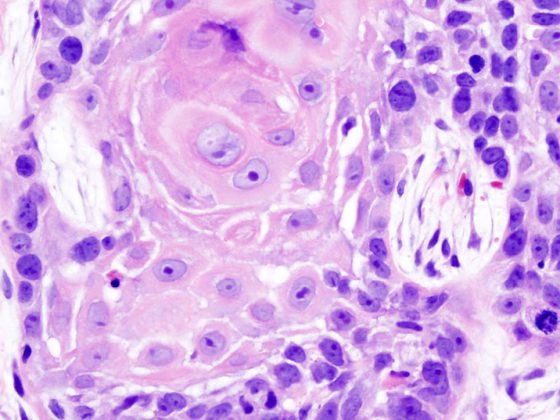
Pembrolizumab as first-line therapy reduces mortality rate

  • Congress Reports
  • Dermatology and venereology
  • Market & Medicine
  • Oncology
  • RX
  • Studies
View Post
Next Article
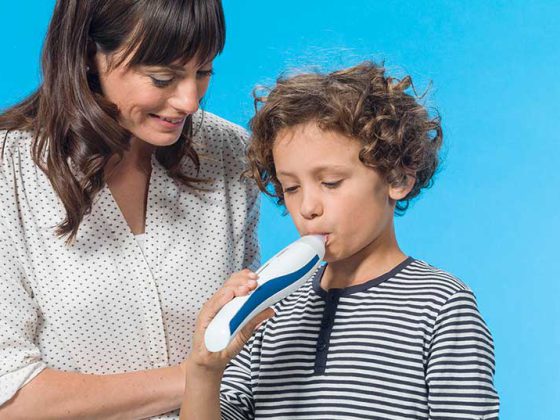
  • Breathing gas measurement for asthmatics

First FeNO meter for home measurement

  • Allergology and clinical immunology
  • Market & Medicine
  • Pneumology
  • RX
View Post
You May Also Like
View Post
  • 4 min
  • Escitalopram for anxiety disorders

Positive effect, but no immediate improvement in symptoms

    • RX
    • Education
    • Neurology
    • Pharmacology and toxicology
    • Psychiatry and psychotherapy
    • Studies
View Post
  • 4 min
  • Helicobacter pylori infection

Simplified dual therapy beats quadruple regimen

    • RX
    • Education
    • Gastroenterology and Hepatology
    • General Internal Medicine
    • Infectiology
    • Studies
View Post
  • 3 min
  • Gastric carcinoma

Ways of precision oncology

    • RX
    • Congress Reports
    • Gastroenterology and Hepatology
    • Oncology
    • Studies
View Post
  • 8 min
  • Endometrial Cancer

Immunological drivers and new therapeutic pathways

    • RX
    • Education
    • Gynecology
    • Oncology
    • Studies
View Post
  • 6 min
  • Exercise for type 1 diabetes

Cyclists and runners with an increased risk of hypoglycemia

    • RX
    • Education
    • Endocrinology and Diabetology
    • Sports Medicine
    • Studies
View Post
  • 4 min
  • Ozanimod for relapsing-remitting multiple sclerosis

Signs of improved tolerability with prolonged treatment

    • RX
    • Education
    • Neurology
    • Pharmacology and toxicology
    • Studies
View Post
  • 8 min
  • When basal cell carcinomas prove difficult to treat

Reaching the goal with innovative therapy strategies

    • RX
    • Cases
    • Congress Reports
    • Dermatology and venereology
    • Oncology
    • Studies
    • Surgery
View Post
  • 5 min
  • Irritable Bowel Syndrome

IBS or endometriosis?

    • RX
    • Education
    • Gastroenterology and Hepatology
    • General Internal Medicine
    • Gynecology
    • Studies
Landingpage Fachinfo Landingpage Button
  • IBD matters

    Zum Thema
Top CME content
  • 1
    Communication as the key to therapy adherence
  • 2
    Solutions to the malnutrition dilemma
  • 3
    Solutions to the malnutrition dilemma
  • 4
    Focus on preventive care options
  • 5
    Fertility preservation from gonads to genomes to genoids

Newsletter

Sign up and stay up to date

Subscribe
Medizinonline Medizinonline
  • Contact
  • General terms and conditions
  • Imprint

Input your search keywords and press Enter.