Medizinonline Medizinonline
  • News
    • News
    • Market & Medicine
  • Patients
    • Disease patterns
    • Diagnostics
    • Therapy
  • Partner Content
    • Diabetes
      • Dia-Month Club – Type 2 Diabetes
      • Diabetes in Motion
      • Diabetes Podcasts
    • Gastroenterology
      • IBD matters
    • Oncology
      • Swiss Oncology in motion
    • Orthopedics
      • Osteoporosis in motion
  • Departments
    • Allergology and clinical immunology
    • General Internal Medicine
    • Anesthesiology
    • Angiology
    • Surgery
    • Dermatology and venereology
    • Endocrinology and Diabetology
    • Nutrition
    • Gastroenterology and Hepatology
    • Genetics
    • Geriatrics
    • Gynecology
    • Hematology
    • Infectiology
    • Cardiology
    • Nephrology
    • Neurology
    • Emergency and intensive care medicine
    • Nuclear Medicine
    • Oncology
    • Ophthalmology
    • ORL
    • Orthopedics
    • Pediatrics
    • Pharmacology and toxicology
    • Pharmaceutical medicine
    • Phlebology
    • Physical medicine and rehabilitation
    • Pneumology
    • Prevention and health care
    • Psychiatry and psychotherapy
    • Radiology
    • Forensic Medicine
    • Rheumatology
    • Sports Medicine
    • Traumatology and trauma surgery
    • Tropical and travel medicine
    • Urology
    • Dentistry
  • CME & Congresses
    • CME continuing education
    • Congress Reports
    • Congress calendar
  • Practice
    • Noctimed
    • Practice Management
    • Jobs
    • Interviews
  • Log In
  • Register
  • My account
  • Contact
  • Publications
  • Contact
  • Deutsch
  • English
  • Français
  • Italiano
  • Português
  • Español
Subscribe
Medizinonline Medizinonline
  • News
    • News
    • Market & Medicine
  • Patienten
    • Krankheitsbilder
    • Diagnostik
    • Therapie
  • Partner Content
    • Diabetes
      • Dia-Month Club – Type 2 Diabetes
      • Diabetes in Motion
      • Diabetes Podcasts
    • Gastroenterology
      • IBD matters
    • Oncology
      • Swiss Oncology in motion
    • Orthopedics
      • Osteoporosis in motion
    • Phytotherapie
    • Rheumatology
  • Departments
    • Fachbereiche 1-13
      • Allergology and clinical immunology
      • General Internal Medicine
      • Anesthesiology
      • Angiology
      • Surgery
      • Dermatology and venereology
      • Endocrinology and Diabetology
      • Nutrition
      • Gastroenterology and Hepatology
      • Genetics
      • Geriatrics
      • Gynecology
      • Hematology
    • Fachbereiche 14-26
      • Infectiology
      • Cardiology
      • Nephrology
      • Neurology
      • Emergency and intensive care medicine
      • Nuclear Medicine
      • Oncology
      • Ophthalmology
      • ORL
      • Orthopedics
      • Pediatrics
      • Pharmacology and toxicology
      • Pharmaceutical medicine
    • Fachbereiche 26-38
      • Phlebology
      • Physical medicine and rehabilitation
      • Phytotherapy
      • Pneumology
      • Prevention and health care
      • Psychiatry and psychotherapy
      • Radiology
      • Forensic Medicine
      • Rheumatology
      • Sports Medicine
      • Traumatology and trauma surgery
      • Tropical and travel medicine
      • Urology
      • Dentistry
  • CME & Congresses
    • CME continuing education
    • Congress Reports
    • Congress calendar
  • Practice
    • Noctimed
    • Practice Management
    • Jobs
    • Interviews
Login

Sie haben noch keinen Account? Registrieren

  • A feasibility study

Psilocybin for the treatment of refractory depression.

    • Neurology
    • Psychiatry and psychotherapy
    • RX
    • Studies
  • 1 minute read

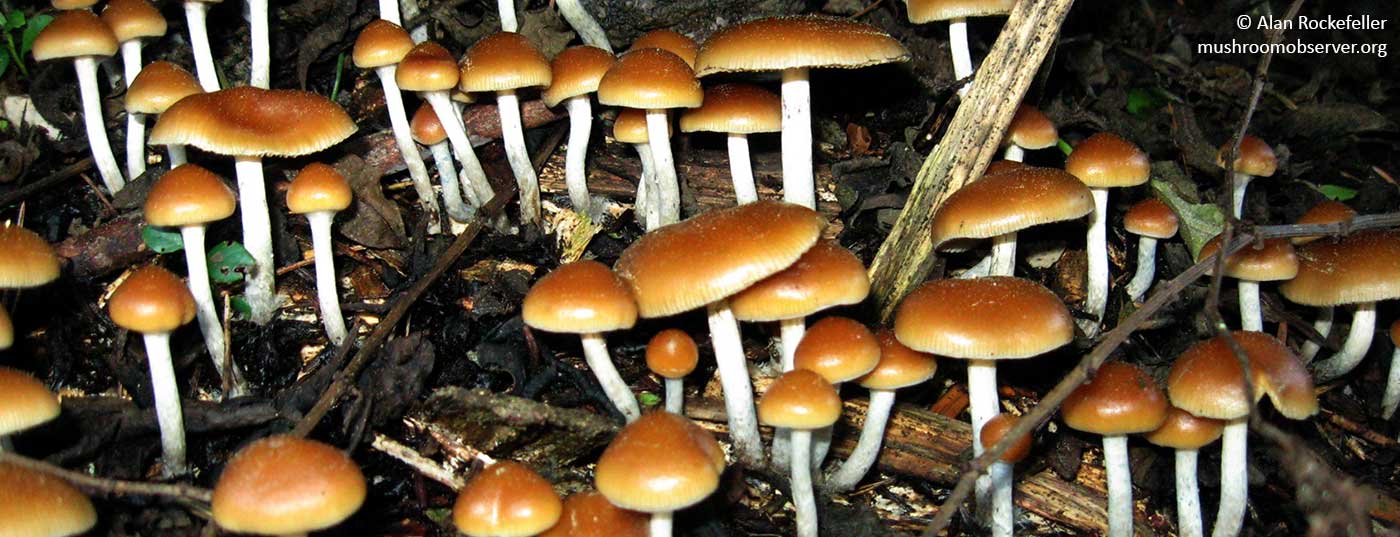
Purpose: Psilocybin is an indole alkaloid belonging to the tryptamine group, which acts as a serotonin receptor agonist in the brain. Psilocybin produces a hallucinogenic high and is very similar in effect to LSD. Naturally, psilocybin occurs in various species of fungi. Evidence of some therapeutic potential has already been found in various disorders (e.g., alcohol dependence and obsessive-compulsive disorders). The presented study aimed to investigate the therapeutic potential in patients with treatment-resistant unipolar depression.

Patients and Methods: The open-label study was conducted in England. Twelve patients (6 female, 6 male) with moderate to severe, unipolar, treatment-resistant depression participated. They received two (oral) doses of psilocybin within a seven-day interval (10 mg and 25 mg); there was no placebo or control group. In addition to medication, all patients received psychological support during the study.

Results: The acute effect of psilocybin could be detected 30-60 minutes after ingestion, with a maximum after approximately 2-3 hours. The subjective intensity of the effect was higher in the subjects after taking the higher dosage; no severe or unexpected side effects occurred in any of the patients. All patients, however, reported the occurrence of passager anxiety (n=12), dizziness (n=9), nausea (n=4), and headache (n=4). Compared to baseline, subjects’ depressive symptoms significantly reduced within one week and after three months. Furthermore, anxiety and anhedonia were also significantly reduced in the subjects.

Authors’ Conclusions: This initial feasibility study provides evidence that psilocybin is safe and effective for treatment-resistant depression. However, further methodologically sophisticated studies are needed to better assess the potential therapeutic use of psilocybin.  


InFo NEUROLOGY & PSYCHIATRY 2017; 15(1): 29.

Autoren
  • PD Dr. med. Jochen Mutschler
Publikation
  • InFo NEUROLOGIE & PSYCHIATRIE
Related Topics
  • Depression
Previous Article
  • Many studies document the effectiveness

Hawthorn against heart failure

  • Cardiology
  • General Internal Medicine
  • News
  • Pharmaceutical medicine
  • RX
  • Studies
View Post
Next Article
  • Sport in the growing age

A child is not a miniature adult

  • General Internal Medicine
  • News
  • Pediatrics
  • RX
  • Sports Medicine
View Post
You May Also Like
View Post
  • 6 min
  • Prurigo nodularis: evidence-based treatment

Targeted therapy options on the rise

    • Allergology and clinical immunology
    • Dermatology and venereology
    • Education
    • Pharmacology and toxicology
    • RX
    • Studies
View Post
  • 13 min
  • MACE risk, heart failure incidence and all-cause mortality

Metabolic syndrome as a cardiovascular risk factor

    • Cardiology
    • Education
    • Endocrinology and Diabetology
    • General Internal Medicine
    • RX
    • Studies
View Post
  • 9 min
  • Glaucoma in old age: slowing down progression

IOP lowering is currently the only evidence-based treatment

    • Education
    • General Internal Medicine
    • Ophthalmology
    • Prevention and health care
    • RX
    • Studies
View Post
  • 7 min
  • Vector-borne infections with skin manifestations

Arboviruses and leishmaniasis in Europe

    • Congress Reports
    • Infectiology
    • Prevention and health care
    • RX
    • Studies
    • Tropical and travel medicine
View Post
  • 6 min
  • Multimorbidity and functional capacity in old age

Clarify individual health status and reduce risks

    • Congress Reports
    • General Internal Medicine
    • Geriatrics
    • Neurology
    • Orthopedics
    • Physical medicine and rehabilitation
    • Prevention and health care
    • Rheumatology
    • RX
View Post
  • 6 min
  • Tick season: danger from early summer meningoencephalitis

TBE vaccination recommended for adults and children aged 3 and over

    • Education
    • Infectiology
    • Neurology
    • Prevention and health care
    • RX
    • Studies
View Post
  • 13 min
  • New WHO guideline, updated stimulation protocols, focus on PGT-A

Fertility and reproductive medicine 2026

    • Education
    • Gynecology
    • RX
    • Studies
View Post
  • 8 min
  • Proteins in wound healing

Do special amino acids lead to success?

    • CME continuing education
    • Dermatology and venereology
    • Endocrinology and Diabetology
    • Nutrition
    • RX
    • Studies
  • IBD matters

    Zum Thema
Top CME content
  • 1
    Do special amino acids lead to success?
  • 2
    Current status of PAT
  • 3
    Surgical wound complications
  • 4
    Do special amino acids lead to success?
  • 5
    Functional limb preservation between infection control, vascular medicine and resurfacing

Newsletter

Sign up and stay up to date

Subscribe
Medizinonline Medizinonline
  • Contact
  • General terms and conditions
  • Imprint

Input your search keywords and press Enter.