Medizinonline Medizinonline
  • News
    • News
    • Market & Medicine
  • Patients
    • Disease patterns
    • Diagnostics
    • Therapy
  • Partner Content
    • Dermatology
      • Atopic dermatitis and psoriasis news
    • Diabetes
      • Dia-Month Club – Type 2 Diabetes
      • Diabetes in Motion
      • Diabetes Podcasts
    • Gastroenterology
      • IBD matters
    • Oncology
      • Swiss Oncology in motion
    • Orthopedics
      • Osteoporosis in motion
  • Departments
    • Allergology and clinical immunology
    • General Internal Medicine
    • Anesthesiology
    • Angiology
    • Surgery
    • Dermatology and venereology
    • Endocrinology and Diabetology
    • Nutrition
    • Gastroenterology and Hepatology
    • Genetics
    • Geriatrics
    • Gynecology
    • Hematology
    • Infectiology
    • Cardiology
    • Nephrology
    • Neurology
    • Emergency and intensive care medicine
    • Nuclear Medicine
    • Oncology
    • Ophthalmology
    • ORL
    • Orthopedics
    • Pediatrics
    • Pharmacology and toxicology
    • Pharmaceutical medicine
    • Phlebology
    • Physical medicine and rehabilitation
    • Pneumology
    • Prevention and health care
    • Psychiatry and psychotherapy
    • Radiology
    • Forensic Medicine
    • Rheumatology
    • Sports Medicine
    • Traumatology and trauma surgery
    • Tropical and travel medicine
    • Urology
    • Dentistry
  • CME & Congresses
    • CME continuing education
    • Congress Reports
    • Congress calendar
  • Practice
    • Noctimed
    • Practice Management
    • Jobs
    • Interviews
  • Log In
  • Register
  • My account
  • Contact
  • Publications
  • Contact
  • Deutsch
  • English
  • Français
  • Italiano
  • Português
  • Español
Subscribe
Medizinonline Medizinonline
  • News
    • News
    • Market & Medicine
  • Patienten
    • Krankheitsbilder
    • Diagnostik
    • Therapie
  • Partner Content
    • Dermatology
      • Atopic dermatitis and psoriasis news
    • Diabetes
      • Dia-Month Club – Type 2 Diabetes
      • Diabetes in Motion
      • Diabetes Podcasts
    • Gastroenterology
      • IBD matters
    • Oncology
      • Swiss Oncology in motion
    • Orthopedics
      • Osteoporosis in motion
    • Phytotherapie
    • Rheumatology
  • Departments
    • Fachbereiche 1-13
      • Allergology and clinical immunology
      • General Internal Medicine
      • Anesthesiology
      • Angiology
      • Surgery
      • Dermatology and venereology
      • Endocrinology and Diabetology
      • Nutrition
      • Gastroenterology and Hepatology
      • Genetics
      • Geriatrics
      • Gynecology
      • Hematology
    • Fachbereiche 14-26
      • Infectiology
      • Cardiology
      • Nephrology
      • Neurology
      • Emergency and intensive care medicine
      • Nuclear Medicine
      • Oncology
      • Ophthalmology
      • ORL
      • Orthopedics
      • Pediatrics
      • Pharmacology and toxicology
      • Pharmaceutical medicine
    • Fachbereiche 26-38
      • Phlebology
      • Physical medicine and rehabilitation
      • Phytotherapy
      • Pneumology
      • Prevention and health care
      • Psychiatry and psychotherapy
      • Radiology
      • Forensic Medicine
      • Rheumatology
      • Sports Medicine
      • Traumatology and trauma surgery
      • Tropical and travel medicine
      • Urology
      • Dentistry
  • CME & Congresses
    • CME continuing education
    • Congress Reports
    • Congress calendar
  • Practice
    • Noctimed
    • Practice Management
    • Jobs
    • Interviews
Login

Sie haben noch keinen Account? Registrieren

  • Functions of the brain

The dynamics of neural networks under the magnifying glass

    • Congress Reports
    • Neurology
    • RX
  • 3 minute read

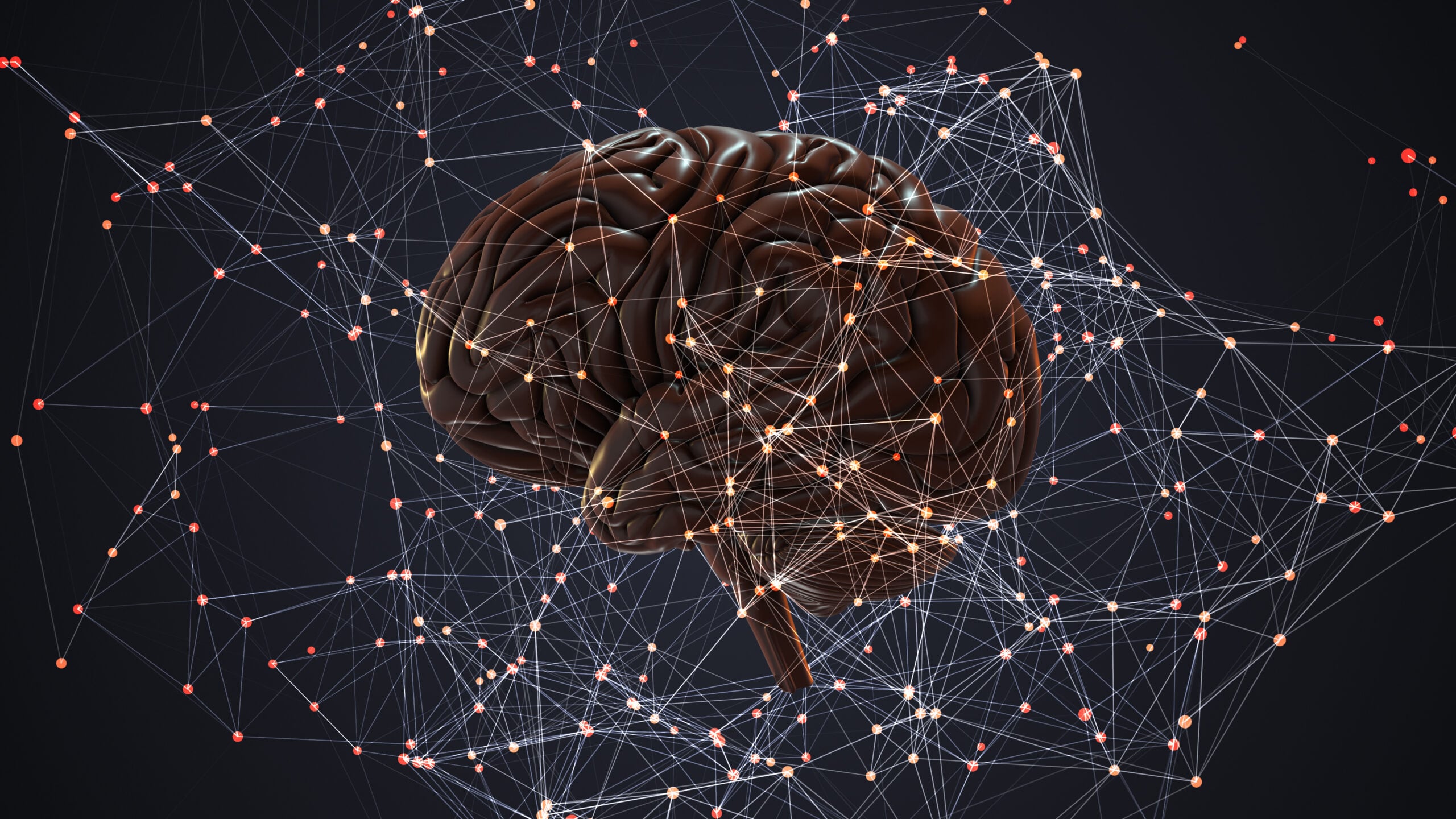
It is one of the most fascinating and at the same time most mysterious organs of our body – the brain. It processes sensory impressions, controls our body, stores information and shapes our consciousness. Which exact path neuronal impulses take in the highly complex dynamic network of around 100 billion nerve cells and how the different brain areas cooperate spatially and temporally is one of the greatest mysteries of science.

(red) Almost all sensorimotor and cognitive processes rely on the activity of large networks in our brain. To exchange and integrate information, different brain regions must dynamically couple with each other. The existence of such couplings was discovered more than 30 years ago. But to this day, it is still not clear exactly what their functional significance is. “Once we have deciphered the mechanisms in healthy subjects, we will also be able to better understand neurological and psychiatric clinical pictures in which the communication of brain networks is altered,” opined Prof. Dr. Andreas K. Engel, Villingen-Schwenningen (D). An interdisciplinary research consortium is investigating communication in neuronal networks of the brain in close cooperation between neurophysiology, neurology, psychiatry, systemic neuroscience and computational neuroscience. Methods used by network neuroscientists include electroencephalography (EEG, electroencephalogram), magnetoencephalography (MEG), structural and functional magnetic resonance imaging (MRI), multifocal transcranial magnetic stimulation (TMS), and computer modeling of complex neural networks.

Results to date from model calculations, neuroscientific imaging, and electrophysiology indicate that dynamic couplings of signals in the cortex have a key role in the emergence of perception, attention, memory performance, language, reasoning, and problem-solving abilities. “By comparing data on the dynamics of neuronal signals in the healthy and diseased brain, it was also possible to obtain clues about the role played by altered network dynamics in diseases such as schizophrenia,” the expert reported.

Network dynamics as a biomarker of psychiatric disease progression.

In individuals with initial symptoms or at risk of psychosis, MEG experiments measuring brain activity have revealed disease-related deficits compared to healthy controls. The characteristic changes in brain activity in the primary auditory cortex may be potential biomarkers for predicting the clinical course of psychiatric disorders such as psychosis.

When processing sensory impressions, many processes run in parallel. Humans are capable of multitasking and can, for example, clean up and listen to the radio at the same time. In everyday life, the process of multisensory integration is of great importance, enabling the exchange of information between the respective sensory systems involved. In diseases, the simultaneous processing of sensory impressions may be altered. Using the processing of visual and auditory signals as an example, Berlin researchers have used EEG measurements of brain activity to find that multisensory integration can help compensate for attentional deficits that exist in processing in single sensory channels in individuals with schizophrenia.

Influence of neuromodulatory activity on brain networks.

In a changing environment, behavior must be constantly adapted in a flexible manner. This is made possible in part by the release of neuromodulators from subcortical nuclear areas that dynamically control neuronal excitability in the rest of the brain. Until now, it has been difficult to measure this non-invasively. Recent research now indicates a close relationship between pupil dilation and the effect of neuromodulatory signals on activity patterns of the cerebral cortex. “The research findings on the link between neuromodulation, cortical dynamics and behavior provide a basis for a better understanding of how cognitive processes adapt to an environment in which stimuli are changing at an increasingly rapid pace,” Engel commented.

Other research activities target different network dynamics in the brain that occur during wakefulness, sleep, or anesthesia. Continuous electrical brain activity produces reproducible EEG patterns on the scalp surface that reflect changes in state of consciousness. The change in these EEG patterns is characteristic of various forms of reduced consciousness during sleep or under anesthesia. However, to accurately capture these changes, complex models of whole brain activity are most likely required.

Source: “How the brain works: new insights into the dynamics of neuronal networks”, Prof. Andreas K. Engel: How consciousness arises, the brain prepares decisions and the senses interact: new insights into the dynamics of neuronal networks, DGKN 2023.

InFo NEUROLOGIE & PSYCHIATRIE 2023; 21(5): 18

Publikation
  • InFo NEUROLOGIE & PSYCHIATRIE
Related Topics
  • Brain areas
  • Nerve cells
  • Neurons
Previous Article
  • Human Biomonitoring

First results of pilot phase provides representative data

  • Education
  • General Internal Medicine
  • Practice Management
  • Prevention and health care
  • RX
  • Studies
View Post
Next Article
  • Future trends in dermatology

More than a glance into the crystal ball

  • Dermatology and venereology
  • General Internal Medicine
  • Practice Management
  • Prevention and health care
  • RX
View Post
You May Also Like
View Post
  • 5 min
  • Well-being of the medical profession in primary care

Findings of a nationwide survey in Switzerland

    • General Internal Medicine
    • Practice Management
    • Prevention and health care
    • RX
    • Studies
View Post
  • 5 min
  • Severe asthma and CRSwNP

Multidisciplinary collaboration between pneumology, allergology and ENT

    • Allergology and clinical immunology
    • Education
    • General Internal Medicine
    • ORL
    • Pneumology
    • RX
View Post
  • 11 min
  • Myelofibrosis

New findings on the role of inflammation in pathogenesis

    • Education
    • Hematology
    • Oncology
    • RX
View Post
  • 6 min
  • Incretin mimetics for obesity and prediabetes

Liraglutide, semaglutide and tirzepatide: considerable evidence base

    • Education
    • Endocrinology and Diabetology
    • Nutrition
    • Prevention and health care
    • RX
    • Studies
View Post
  • 6 min
  • Treatment of infected wounds and wounds at risk of infection

Focus on an interdisciplinary perspective

    • Congress Reports
    • Dermatology and venereology
    • Endocrinology and Diabetology
    • Geriatrics
    • Physical medicine and rehabilitation
    • Prevention and health care
    • RX
    • Studies
View Post
  • 5 min
  • Chronic and hard-to-heal wounds

Benefit from the advantages of outpatient negative pressure wound therapy

    • Congress Reports
    • Dermatology and venereology
    • Endocrinology and Diabetology
    • General Internal Medicine
    • Geriatrics
    • Physical medicine and rehabilitation
    • RX
    • Studies
View Post
  • 4 min
  • COPD

Even a single moderate exacerbation can be a predictor of mortality

    • Education
    • Pneumology
    • RX
    • Studies
View Post
  • 7 min
  • HER2+ metastatic breast cancer

New therapeutic standards with SHR-A 1811

    • Congress Reports
    • Gynecology
    • Oncology
    • RX
    • Studies
Banner Landingpage Kurzfachinfo
  • IBD matters

    Zum Thema
Top CME content
  • 1
    Clinical care from birth to adulthood
  • 2
    Multidisciplinary teams in oncology
  • 3
    Multidisciplinary teams in oncology
  • 4
    What is tested when and on whom?
  • 5
    Molecular mechanisms of tumor plasticity

Newsletter

Sign up and stay up to date

Subscribe
Medizinonline Medizinonline
  • Contact
  • General terms and conditions
  • Imprint

Input your search keywords and press Enter.