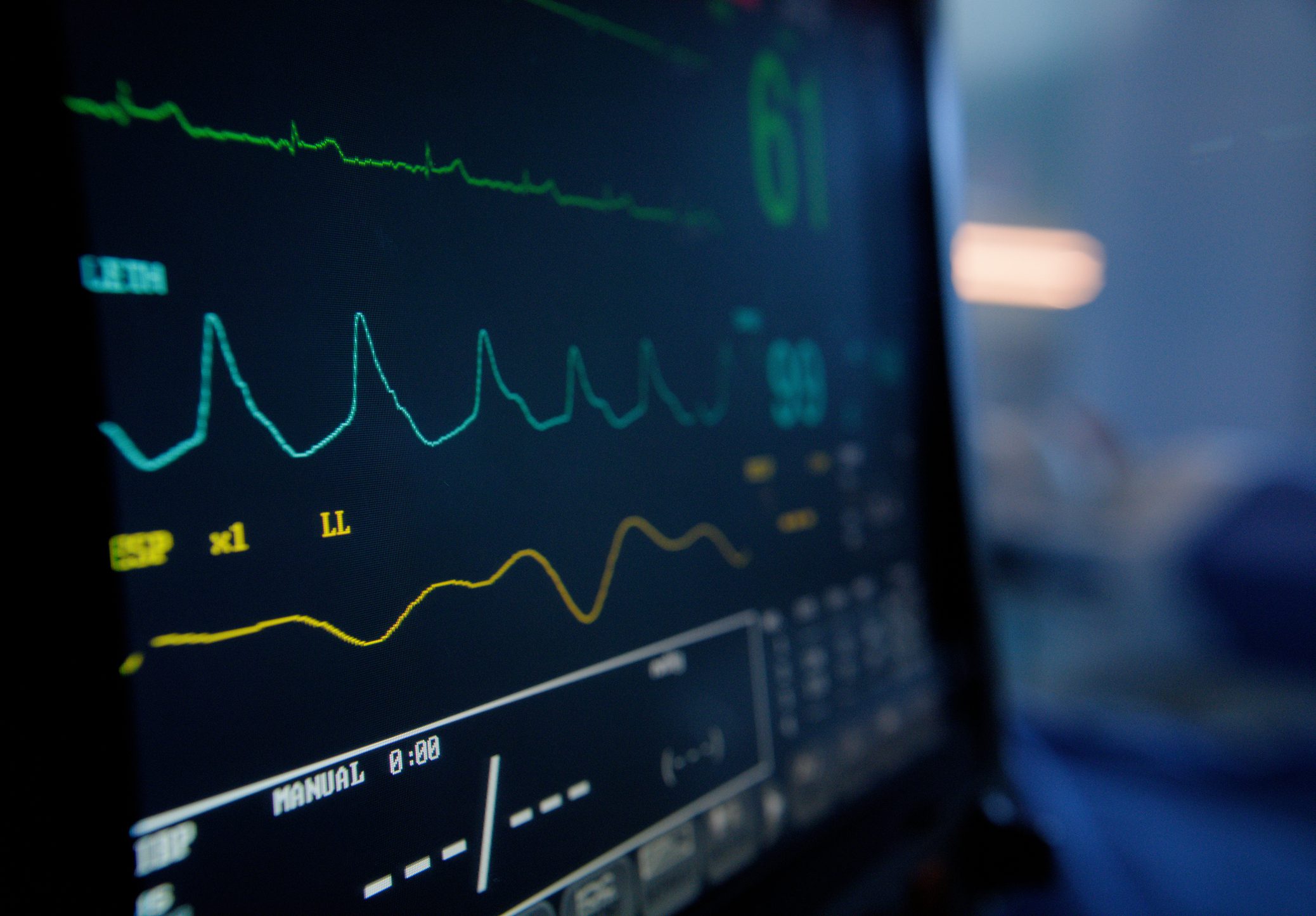
The human heart does not simply beat to the beat of a metronome-like sound, but produces a complex, multi-layered “heart music” that finds its expression in millions of micro-variations. At the center of this melody are the fine control circuits in the sinoatrial (SAN) pacemaker cells, whose coupled “clock systems” – ionic membrane clocks and intracellular calcium clocks – are continuously modulated by the autonomic nervous system. Their interaction creates a heart rhythm symphony that reflects the physiological balance and is adapted to changing requirements in real time. With increasing age, subtle disturbances occur in this system: rhythmic subtleties are lost, the symphony becomes restless and ultimately dissonant, resulting in subclinical rhythm abnormalities and an increased susceptibility to sick sinus syndrome or atrial fibrillation.
Publikation
- CARDIOVASC