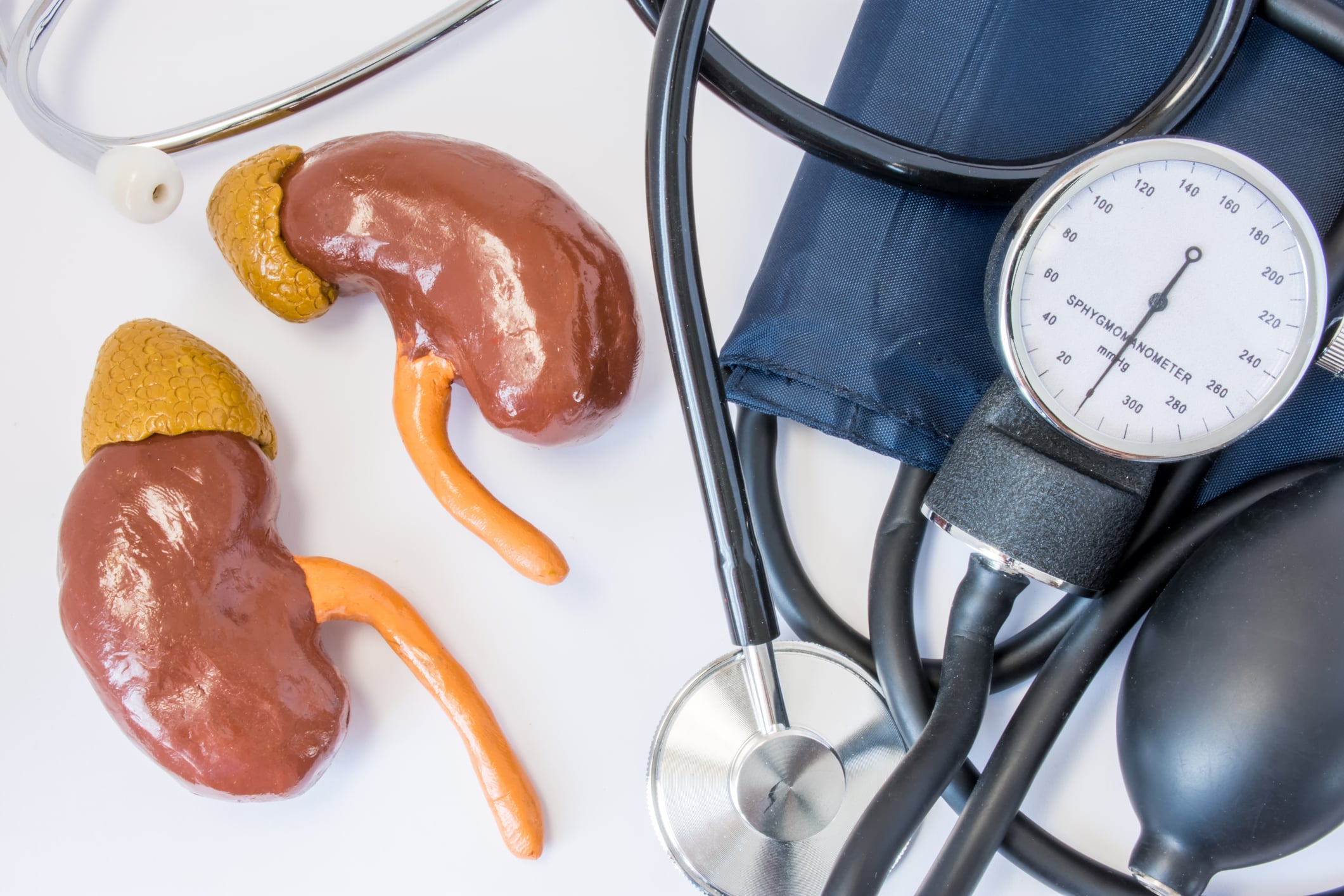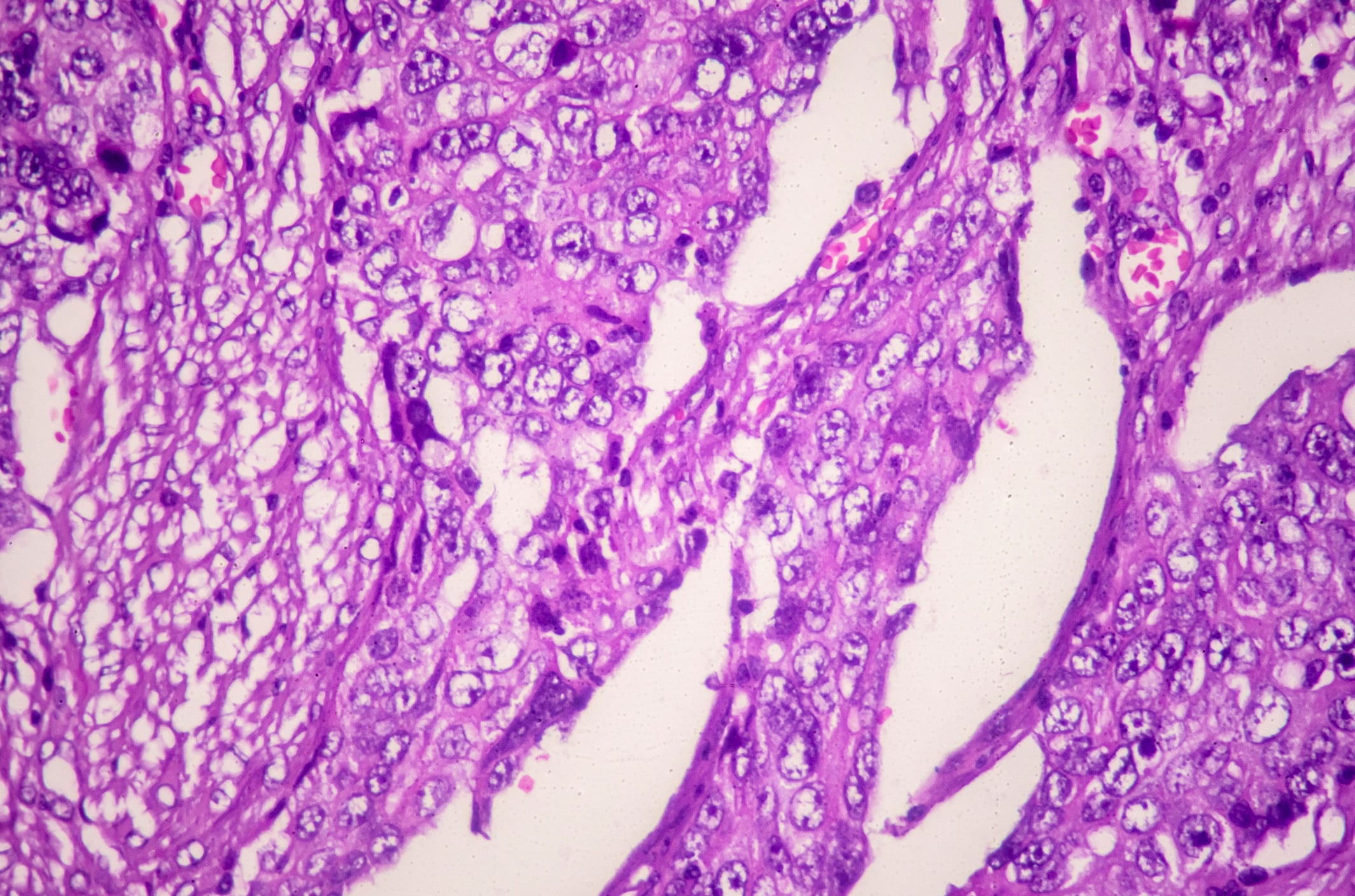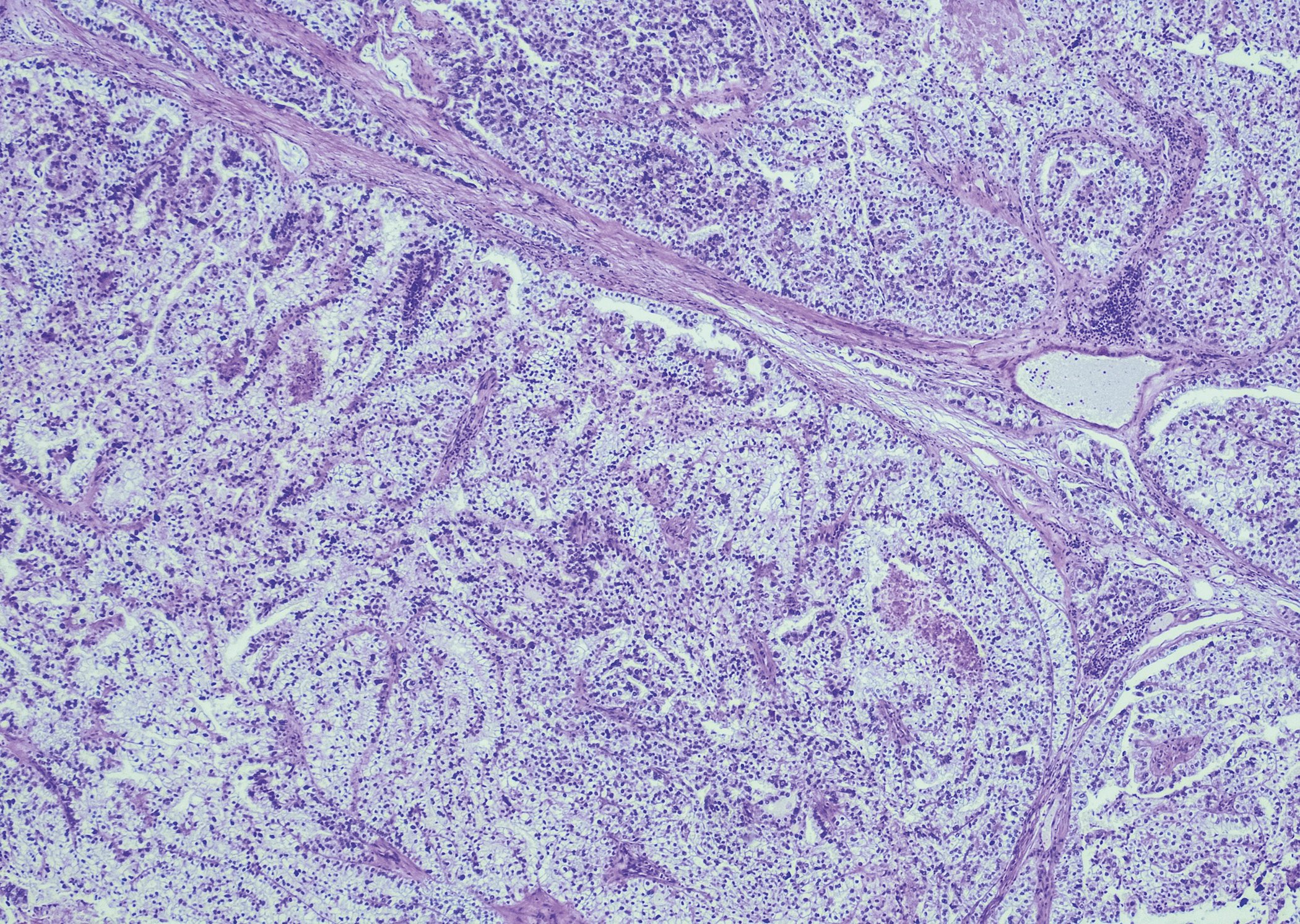
Renal cell carcinoma (RCC) is one of the most aggressive urological tumors worldwide. Despite significant advances in molecular characterization and therapy, the disease remains clinically challenging due to late diagnosis, complex pathomechanisms and a high rate of treatment resistance. New insights into genetics, metabolism, immune interaction and tumor microenvironment have not only deepened our understanding of the pathophysiology, but have also paved the way for innovative, personalized therapies.
Autoren
- Tanja Schliebe
Publikation
- Nephrologie-Special
- InFo ONKOLOGIE & HÄMATOLOGIE
Related Topics
You May Also Like
- Type 2 diabetes: sarcopenia and frailty
How can the breakdown of skeletal muscles be stopped?
- Cholangiocarcinoma
Modern molecular diagnostics and targeted therapy options
- Treatment resistant depression
Esketamine nasal spray as monotherapy? New for treatment-resistant depression
- Analysis of SNVCS data from the period 2005-2022
TBE vaccination for children and adolescents in Switzerland
- Tuberculosis
Detecting diabetes in TB patients early and efficiently
- Trichophyton indotineae
Terbinafine-resistant dermatophytoses are on the rise in Central Europe
- Peristomal skin health
Focus on preventive care options
- Disease-modifying therapies for ATTR-CM