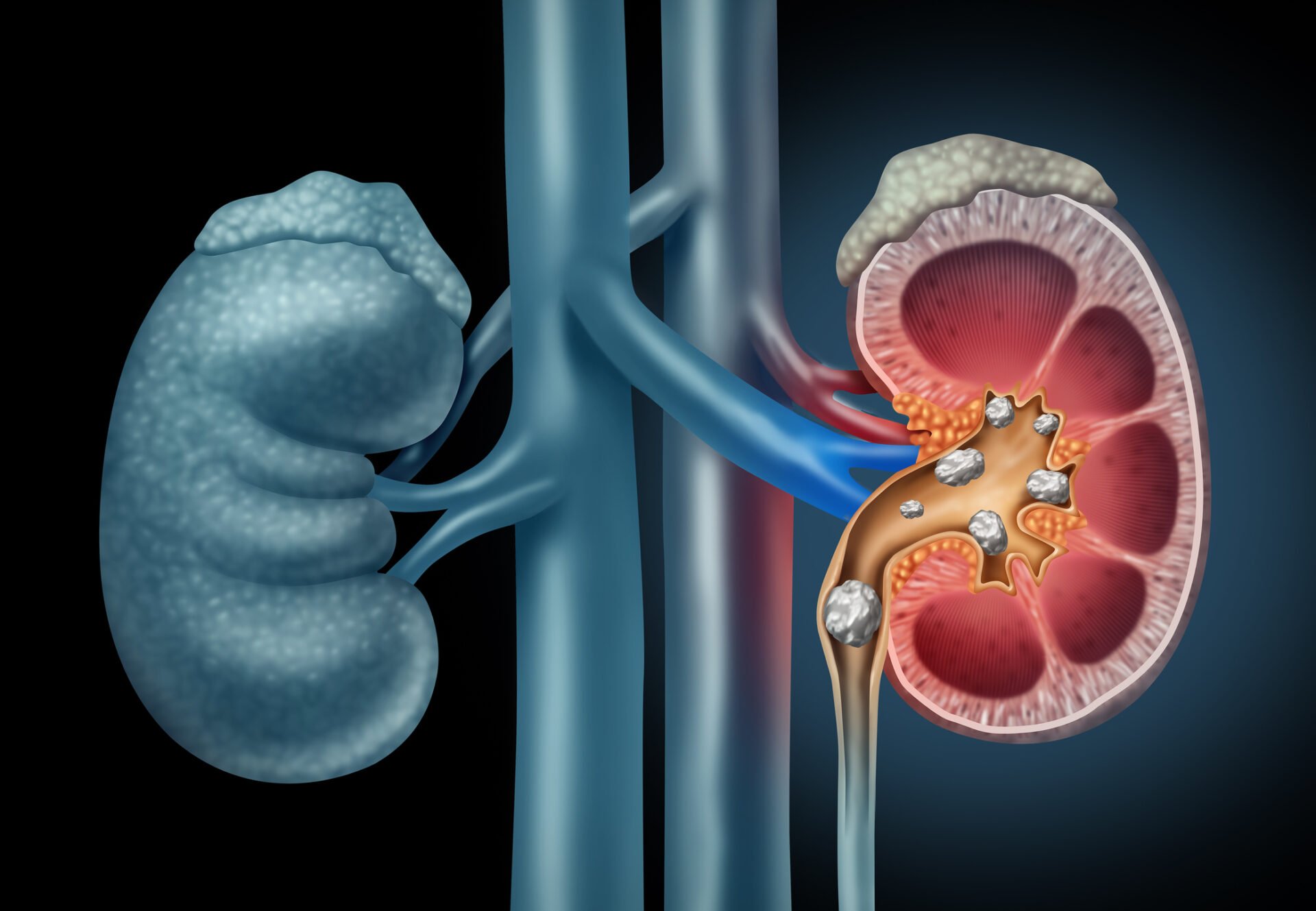
Kidney stones are one of the most common urological diseases worldwide and represent a growing burden on healthcare systems. Traditional diagnostic procedures and therapeutic approaches, from imaging and drug-based stone dissolution to invasive surgical methods, are fraught with limitations. Nanomedicine opens up new perspectives here: Nanomaterials enable more precise early detection, improve imaging, have antioxidant and antibacterial effects, transport drugs in a more targeted manner and can even control biofilm-associated infections. The following article presents the latest advances in this field and discusses the clinical relevance for nephrologists.
Publikation
- Nephrologie-Special