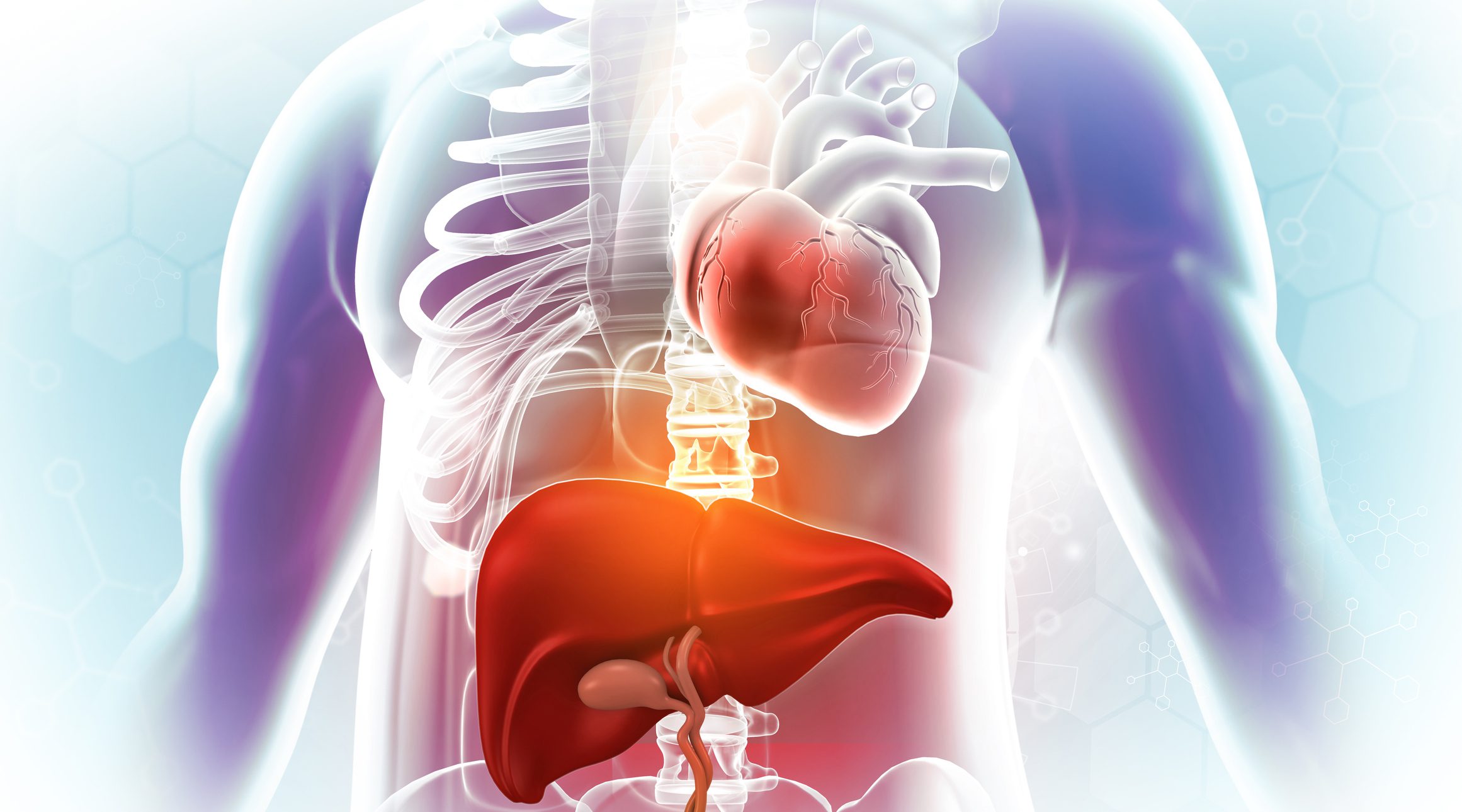
The close functional connection between the liver and the heart plays a central role in the development and progression of cardiometabolic diseases. While cardiovascular and hepatic pathologies have long been considered separately, recent studies show a reciprocal interplay between liver and heart dysfunction, ranging from insulin resistance to chronic inflammatory processes and hemodynamic stress. A review article comprehensively examines the physiological basis of liver-heart interaction, pathophysiological mechanisms in various liver diseases, the role of the heart as a “liver driver” and innovative methods for researching this “interorgan” dialog.
Publikation
- CARDIOVASC