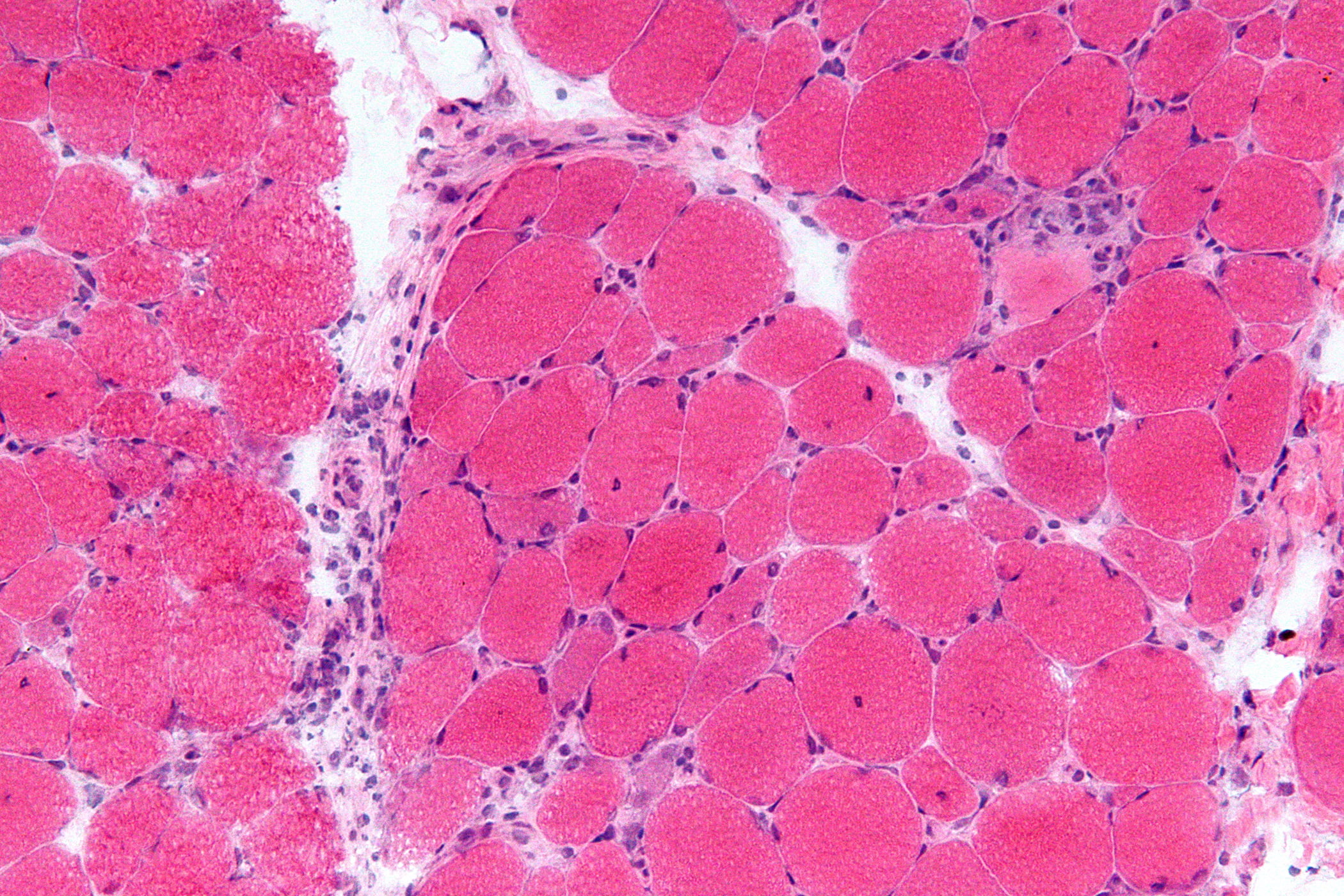
Research teams from different corners of the world presented studies that are characterized by a high level of innovation. In addition to the evaluation of already established therapy options, numerous preclinical and clinical studies were presented, the long-term goal of which is to expand the treatment options for acne, rosacea, atopic dermatitis and psoriasis. State-of-the-art molecular and cell biology, genomic and immunodiagnostic methods were used for this purpose.
Autoren
- Mirjam Peter, M.Sc.
Publikation
- DERMATOLOGIE PRAXIS
Related Topics
You May Also Like
- Irritable Bowel Syndrome
Functional disorder of gut-brain interaction – a biopsychosocial concept
- GLP1 receptor agonists
Positive influence on substance use and addiction
- Sleep apnea and cardiovascular diseases
Breathless through the night
- Diagnostics, differentiation and multimodal therapy
Vulvar diseases and vulvodynia
- From symptom to diagnosis
Abdominal pain – Prostate lipoma
- Acute pulmonary embolism: new AHA/ACC guideline
Practical recommendations for risk-stratified triage
- Why lipoprotein(a) is the biggest therapeutic vacuum in cardiology
Lp(a): The underestimated risk factor before the turning point
- Modern system therapeutics for hidradenitis suppurativa