Medizinonline Medizinonline
  • News
    • News
    • Market & Medicine
  • Patients
    • Disease patterns
    • Diagnostics
    • Therapy
  • Partner Content
    • Diabetes
      • Dia-Month Club – Type 2 Diabetes
      • Diabetes in Motion
    • Gastroenterology
      • IBD matters
    • Oncology
      • Swiss Oncology in motion
    • Orthopedics
      • Osteoporosis in motion
  • Departments
    • Allergology and clinical immunology
    • General Internal Medicine
    • Anesthesiology
    • Angiology
    • Surgery
    • Dermatology and venereology
    • Endocrinology and Diabetology
    • Nutrition
    • Gastroenterology and Hepatology
    • Genetics
    • Geriatrics
    • Gynecology
    • Hematology
    • Infectiology
    • Cardiology
    • Nephrology
    • Neurology
    • Emergency and intensive care medicine
    • Nuclear Medicine
    • Oncology
    • Ophthalmology
    • ORL
    • Orthopedics
    • Pediatrics
    • Pharmacology and toxicology
    • Pharmaceutical medicine
    • Phlebology
    • Physical medicine and rehabilitation
    • Pneumology
    • Prevention and health care
    • Psychiatry and psychotherapy
    • Radiology
    • Forensic Medicine
    • Rheumatology
    • Sports Medicine
    • Traumatology and trauma surgery
    • Tropical and travel medicine
    • Urology
    • Dentistry
  • CME & Congresses
    • CME continuing education
    • Congress Reports
    • Congress calendar
  • Practice
    • Noctimed
    • Practice Management
    • Jobs
    • Interviews
  • Log In
  • Register
  • My account
  • Contact
  • Publications
  • Contact
  • Deutsch
  • English
  • Français
  • Italiano
  • Português
  • Español
Subscribe
Medizinonline Medizinonline
  • News
    • News
    • Market & Medicine
  • Patienten
    • Krankheitsbilder
    • Diagnostik
    • Therapie
  • Partner Content
    • Diabetes
      • Dia-Month Club – Type 2 Diabetes
      • Diabetes in Motion
    • Gastroenterology
      • IBD matters
    • Oncology
      • Swiss Oncology in motion
    • Orthopedics
      • Osteoporosis in motion
    • Phytotherapie
    • Rheumatology
  • Departments
    • Fachbereiche 1-13
      • Allergology and clinical immunology
      • General Internal Medicine
      • Anesthesiology
      • Angiology
      • Surgery
      • Dermatology and venereology
      • Endocrinology and Diabetology
      • Nutrition
      • Gastroenterology and Hepatology
      • Genetics
      • Geriatrics
      • Gynecology
      • Hematology
    • Fachbereiche 14-26
      • Infectiology
      • Cardiology
      • Nephrology
      • Neurology
      • Emergency and intensive care medicine
      • Nuclear Medicine
      • Oncology
      • Ophthalmology
      • ORL
      • Orthopedics
      • Pediatrics
      • Pharmacology and toxicology
      • Pharmaceutical medicine
    • Fachbereiche 26-38
      • Phlebology
      • Physical medicine and rehabilitation
      • Phytotherapy
      • Pneumology
      • Prevention and health care
      • Psychiatry and psychotherapy
      • Radiology
      • Forensic Medicine
      • Rheumatology
      • Sports Medicine
      • Traumatology and trauma surgery
      • Tropical and travel medicine
      • Urology
      • Dentistry
  • CME & Congresses
    • CME continuing education
    • Congress Reports
    • Congress calendar
  • Practice
    • Noctimed
    • Practice Management
    • Jobs
    • Interviews
Login

Sie haben noch keinen Account? Registrieren

  • Long-term management of psoriasis

Biologics have improved the supply situation

    • Congress Reports
    • Dermatology and venereology
    • Rheumatology
    • RX
    • Studies
  • 3 minute read

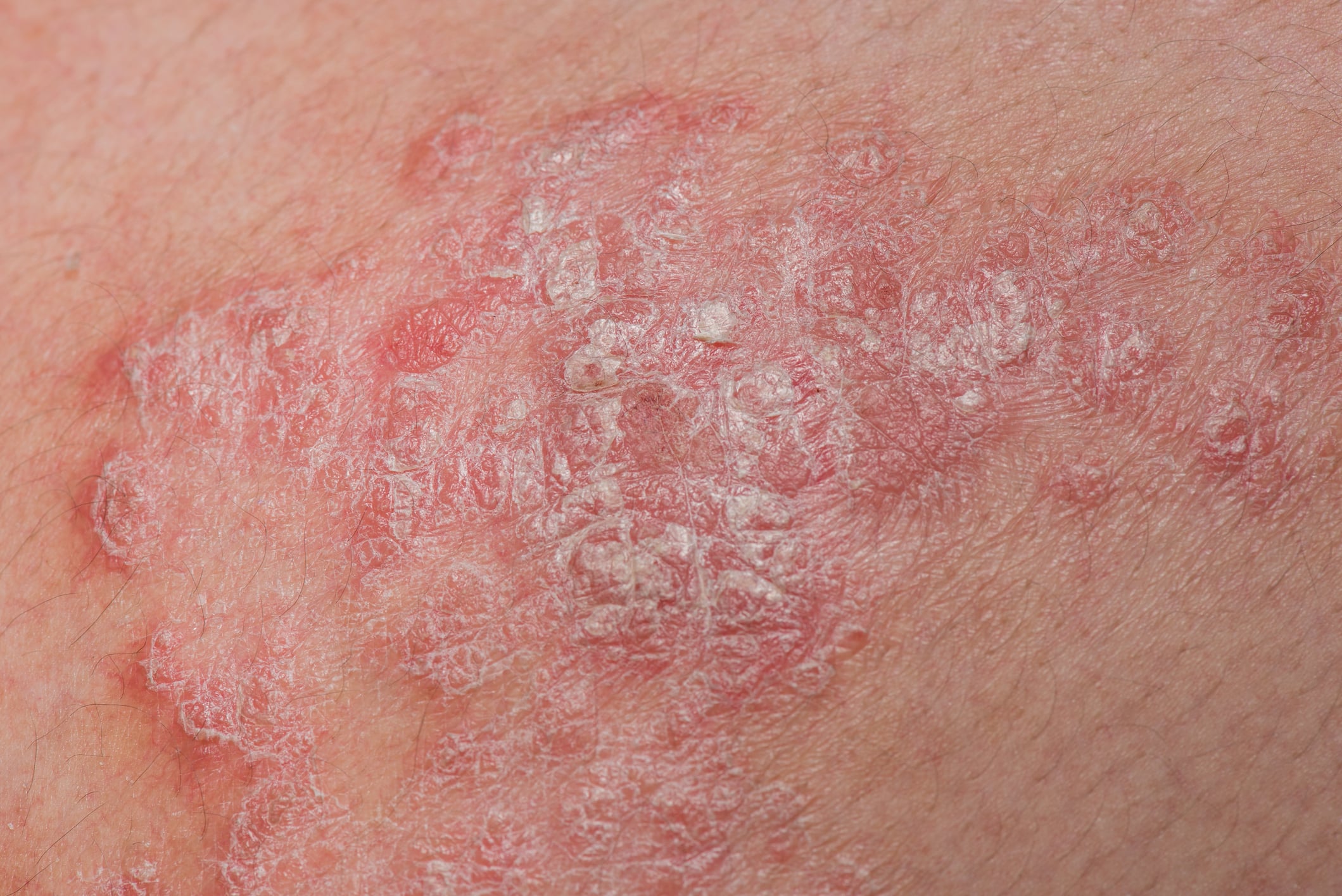
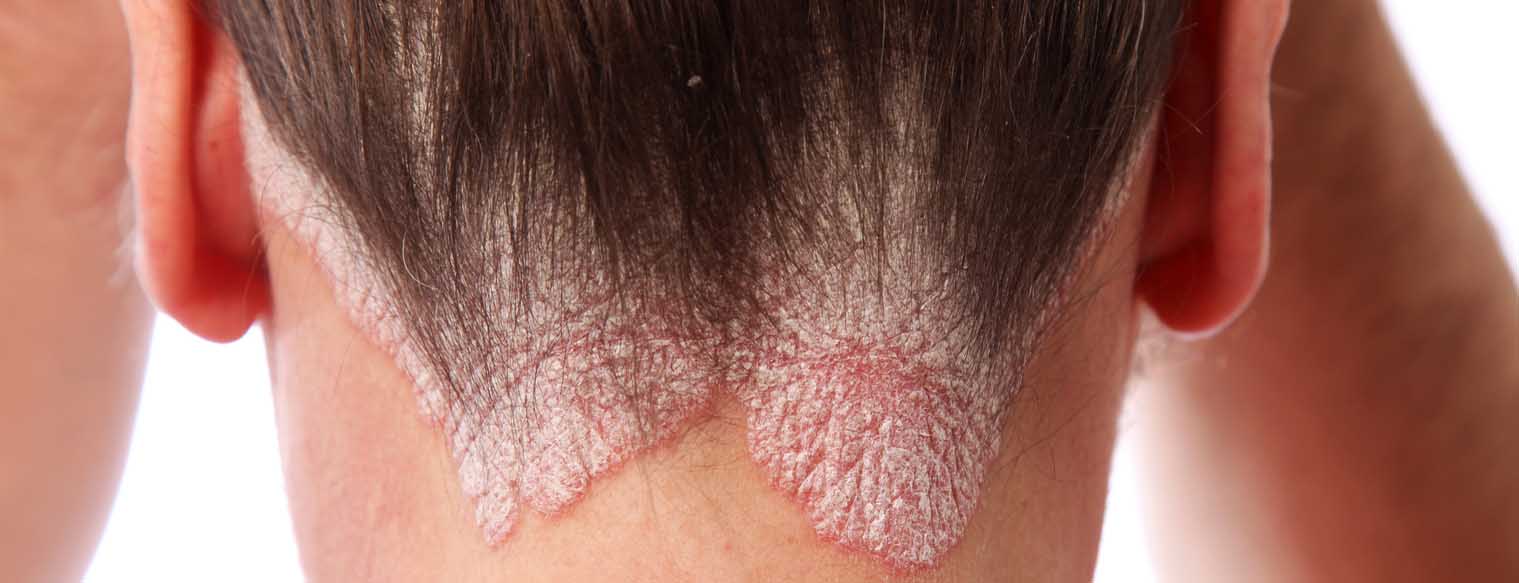
Psoriasis registries and care studies are an important source of data for evidence-based systems therapy. Convincing long-term data are now available, particularly for the anti-IL-17 and anti-IL-23 antibodies. These have also been incorporated into the psoriasis guideline, which was updated last year. In the sense of personalized medicine, patient-oriented treatment is propagated. Numerous projects are underway to achieve this.

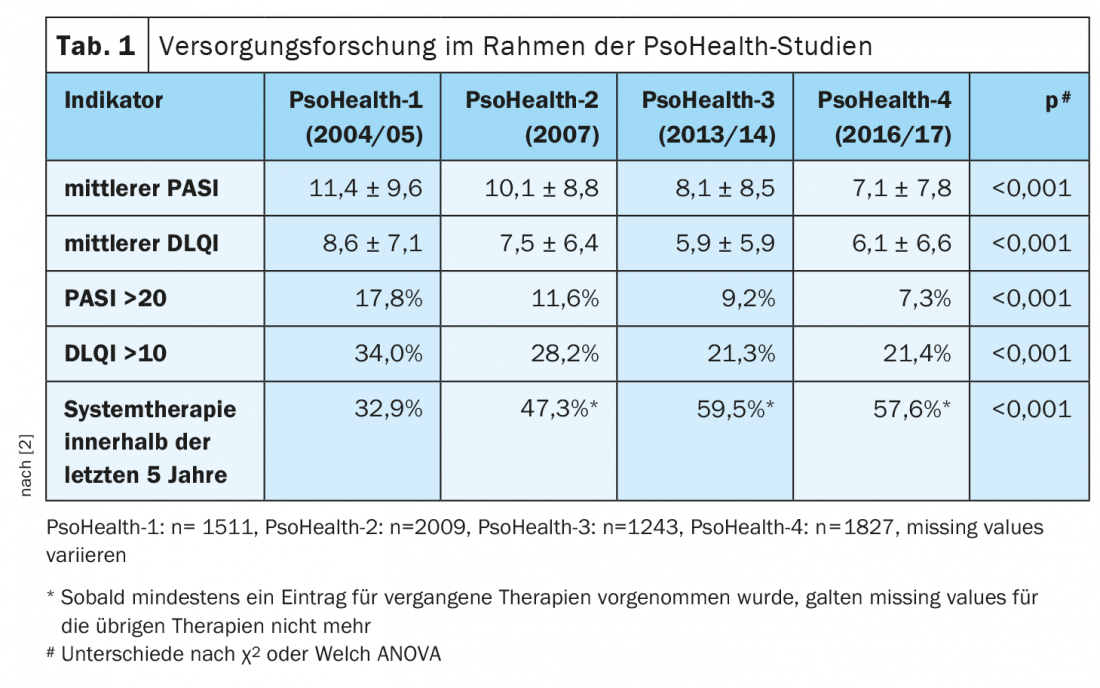
Analyses of the nationwide PsoHealth health care study indicate that the average “Psoriasis Area and Severity Index” (PASI) among patients with psoriasis decreased from 11.4 to 7.2 during 2004-2018 (Table 1) [1,2]. “This positive effect is essentially due to the use of innovative drugs,” explains Prof. Matthias Augustin, MD, University Medical Center Hamburg-Eppendorf. As the analysis of health insurance data shows, more than 150,000 people with psoriasis in Germany are now receiving a guideline-based system therapy, including 55,000 people treated with a biologic [1].


Registry data as a partial aspect of patient-centered care.

The Psoriasis Registry PsoBest collects data from patients with psoriasis and psoriatic arthritis throughout Germany who are prescribed a biologic or another system therapy drug for the first time. Currently, more than 30 systemic drugs are available for the treatment of psoriasis and psoriatic arthritis. Among them are an increasing number of biologics and biosimilars, which in many cases allow almost complete freedom from skin appearance, with high drug safety, as the registry data show. “With this variety of therapy options, the key in everyday care is to make the right therapy decision together with the patient and his or her preferences,” explains Prof. Augustin [1,2]. Shared decision making is a multi-step process in which the patient is involved as a collaborative partner. “If this is successful, however, joint, participatory decision-making will make for incomparably better, more patient-oriented and also more efficient care,” said the dermatologist and institute director.


“Particularly in the case of chronic inflammatory diseases such as psoriasis, with a course that often lasts for decades, the impact on the entire life of those affected is considerable,” explains Prof. Ulrich Mrowietz, MD, Head of the Psoriasis Center at the University Medical Center Schleswig-Holstein (UKSH) [1]. Thus, health-related quality of life has also been measured in routine care for many years. The “Dermatology Quality of Life Index” (DLQI) questionnaire is used almost exclusively for this purpose. “However, the DLQI is only related to the patient and has several shortcomings that make a comprehensive assessment of the psychosocial life situation difficult,” said Prof. Mrowietz [1]. In addition, the questions of the DLQI only concern burdens caused by the skin disease; positive aspects of life are not asked about. “Another questionnaire, the so-called WHO-5, which is already widely used in medicine, is suitable for this purpose,” explains the psoriasis expert [1]. Initial studies comparing DLQI and WHO-5 at the Institute for Health Services Research of the University Medical Center Hamburg-Eppendorf and at the UKSH Psoriasis Center will contribute to a better understanding of the differences between the various concepts.


Psoriasis guideline update: What has changed?

In the 2021 update of the S3 guideline psoriasis vulgaris, a minimum goal of at least 75% improvement in PASI was set for psoriasis treatment [3,4]. “This is a significant tightening of the original European recommendation, which only called for a 50 percent improvement in psoriasis,” said Ralph von Kiedrowski, MD, a dermatologist in private practice and acting president of the BVDD [1]. In addition, the guideline update clarified the criteria for determining the severity of psoriasis in certain localizations and therapeutic states and developed clear recommendations and guidelines for the first-line use of biologics in moderate and severe psoriasis. The updated guideline represents “a milestone for the further development of care for people with psoriasis,” said Dr. von Kiedrowski. But the science-based guideline is only one side of care. The treatment of dermatological diseases has long since ceased to be about improving the skin’s appearance alone (box).

Congress: Professional Association of German Dermatologists


Literature:

  1. “Psoriasis: Not just caring for the skin, but for the whole person,” Berufsverband der Deutschen Dermatologen e.V., Oct. 25, 2021
  2. Langenbruch A, et al: J Eur Acad Dermatol Venereol 2021; 35(7): 1536-1542.
  3. Nast A, et al: German S3 guideline for the therapy of psoriasis vulgaris, adapted from EuroGuiDerm – Part 1: Therapy goals and therapy recommendations. J Dtsch Dermatol Ges 2021; 19(6): 934-951.
  4. Nast A, et al: German S3 guideline on the therapy of psoriasis vulgaris adapted from EuroGuiDerm – Part 2: Therapy monitoring, special clinical situations and comorbidity. J Dtsch Dermatol Ges 2021; 19(7): 1092-1117.


DERMATOLOGY PRACTICE 2022; 32(2): 38
Autoren
  • Mirjam Peter, M.Sc.
Publikation
  • DERMATOLOGIE PRAXIS
Related Topics
  • Biologics
  • Psoriasis
Previous Article
  • Iron deficiency

Update anemia workup: what, when, and why?

  • Congress Reports
  • General Internal Medicine
  • Hematology
  • Nephrology
  • Nutrition
  • RX
  • Studies
View Post
Next Article
  • Alopecia

Histology of alopecia

  • CME continuing education
  • Dermatology and venereology
  • Education
  • General Internal Medicine
  • RX
View Post
You May Also Like
View Post
  • 27 min
  • Across All Types of Cancer

Four-Legged Medical Assistants – Therapy Dogs in Clinical Settings

    • RX
    • CME continuing education
    • General Internal Medicine
    • Geriatrics
    • Hematology
    • Oncology
    • Pediatrics
    • Physical medicine and rehabilitation
    • Prevention and health care
    • Studies
View Post
  • 8 min
  • Obesity: More than half of those affected have fatty liver disease

From screening to multimodal intervention with GLP-1-RA or resmetirom

    • RX
    • Education
    • Endocrinology and Diabetology
    • Gastroenterology and Hepatology
    • General Internal Medicine
    • Nutrition
    • Studies
View Post
  • 6 min
  • Innovative Oral Treatment Options for Psoriasis: Icotrokinra and Zasocitinib

First-class immunomodulation combined with convenience—the data available so far is convincing

    • RX
    • Congress Reports
    • Dermatology and venereology
    • Rheumatology
    • Studies
View Post
  • 4 min
  • Preclinical Study on a Special Ginkgo biloba Extract

What role do proanthocyanidins play?

    • RX
    • Education
    • General Internal Medicine
    • Geriatrics
    • Neurology
    • Pharmaceutical medicine
    • Pharmacology and toxicology
    • Phytotherapy
    • Studies
View Post
  • 6 min
  • Myasthenia gravis: immunomodulatory therapies for long-term treatment

Expanded Possibilities Thanks to Innovative Classes of Active Ingredients

    • RX
    • Congress Reports
    • General Internal Medicine
    • Neurology
    • Ophthalmology
    • Studies
View Post
  • 7 min
  • Plastic surgery and reconstructive microsurgery for DFS

Functional limb preservation between infection control, vascular medicine and resurfacing

    • RX
    • Angiology
    • CME continuing education
    • Dermatology and venereology
    • Endocrinology and Diabetology
    • General Internal Medicine
    • Geriatrics
    • Physical medicine and rehabilitation
    • Surgery
View Post
  • 10 min
  • Interstitial Lung Diseases

Update on Idiopathic Pulmonary Fibrosis

    • RX
    • CME continuing education
    • Pneumology
    • Studies
View Post
  • 7 min
  • Ischemic stroke: Are smaller or larger brain arteries affected?

Recent study findings on intravenous lysis therapy with fibrinolytic agents

    • RX
    • Congress Reports
    • Emergency and intensive care medicine
    • General Internal Medicine
    • Neurology
    • Pharmacology and toxicology
    • Studies
    • Surgery
  • IBD matters

    Zum Thema
Top CME content
  • 1
    Four-Legged Medical Assistants – Therapy Dogs in Clinical Settings
  • 2
    Functional limb preservation between infection control, vascular medicine and resurfacing
  • 3
    Update on Idiopathic Pulmonary Fibrosis
  • 4
    Update on Idiopathic Pulmonary Fibrosis
  • 5
    Current status of PAT

Newsletter

Sign up and stay up to date

Subscribe
Medizinonline Medizinonline
  • Contact
  • General terms and conditions
  • Imprint

Input your search keywords and press Enter.