Medizinonline Medizinonline
  • News
    • News
    • Market & Medicine
  • Patients
    • Disease patterns
    • Diagnostics
    • Therapy
  • Partner Content
    • Dermatology
      • Atopic dermatitis and psoriasis news
    • Diabetes
      • Dia-Month Club – Type 2 Diabetes
      • Diabetes in Motion
      • Diabetes Podcasts
    • Gastroenterology
      • IBD matters
    • Oncology
      • Swiss Oncology in motion
    • Orthopedics
      • Osteoporosis in motion
  • Departments
    • Allergology and clinical immunology
    • General Internal Medicine
    • Anesthesiology
    • Angiology
    • Surgery
    • Dermatology and venereology
    • Endocrinology and Diabetology
    • Nutrition
    • Gastroenterology and Hepatology
    • Genetics
    • Geriatrics
    • Gynecology
    • Hematology
    • Infectiology
    • Cardiology
    • Nephrology
    • Neurology
    • Emergency and intensive care medicine
    • Nuclear Medicine
    • Oncology
    • Ophthalmology
    • ORL
    • Orthopedics
    • Pediatrics
    • Pharmacology and toxicology
    • Pharmaceutical medicine
    • Phlebology
    • Physical medicine and rehabilitation
    • Pneumology
    • Prevention and health care
    • Psychiatry and psychotherapy
    • Radiology
    • Forensic Medicine
    • Rheumatology
    • Sports Medicine
    • Traumatology and trauma surgery
    • Tropical and travel medicine
    • Urology
    • Dentistry
  • CME & Congresses
    • CME continuing education
    • Congress Reports
    • Congress calendar
  • Practice
    • Noctimed
    • Practice Management
    • Jobs
    • Interviews
  • Log In
  • Register
  • My account
  • Contact
  • Publications
  • Contact
  • Deutsch
  • English
  • Français
  • Italiano
  • Português
  • Español
Subscribe
Medizinonline Medizinonline
  • News
    • News
    • Market & Medicine
  • Patienten
    • Krankheitsbilder
    • Diagnostik
    • Therapie
  • Partner Content
    • Dermatology
      • Atopic dermatitis and psoriasis news
    • Diabetes
      • Dia-Month Club – Type 2 Diabetes
      • Diabetes in Motion
      • Diabetes Podcasts
    • Gastroenterology
      • IBD matters
    • Oncology
      • Swiss Oncology in motion
    • Orthopedics
      • Osteoporosis in motion
    • Phytotherapie
    • Rheumatology
  • Departments
    • Fachbereiche 1-13
      • Allergology and clinical immunology
      • General Internal Medicine
      • Anesthesiology
      • Angiology
      • Surgery
      • Dermatology and venereology
      • Endocrinology and Diabetology
      • Nutrition
      • Gastroenterology and Hepatology
      • Genetics
      • Geriatrics
      • Gynecology
      • Hematology
    • Fachbereiche 14-26
      • Infectiology
      • Cardiology
      • Nephrology
      • Neurology
      • Emergency and intensive care medicine
      • Nuclear Medicine
      • Oncology
      • Ophthalmology
      • ORL
      • Orthopedics
      • Pediatrics
      • Pharmacology and toxicology
      • Pharmaceutical medicine
    • Fachbereiche 26-38
      • Phlebology
      • Physical medicine and rehabilitation
      • Phytotherapy
      • Pneumology
      • Prevention and health care
      • Psychiatry and psychotherapy
      • Radiology
      • Forensic Medicine
      • Rheumatology
      • Sports Medicine
      • Traumatology and trauma surgery
      • Tropical and travel medicine
      • Urology
      • Dentistry
  • CME & Congresses
    • CME continuing education
    • Congress Reports
    • Congress calendar
  • Practice
    • Noctimed
    • Practice Management
    • Jobs
    • Interviews
Login

Sie haben noch keinen Account? Registrieren

  • New "keys" for eliminating cancer cells

Hybrid active ingredients “Borinostats” use boron instead of carbon

    • Oncology
    • RX
  • 3 minute read

By bringing together pharmacy and inorganic chemistry, chemist Dr. Christoph Selg and his colleagues have succeeded in developing a group of promising potential active ingredients for cancer therapy: the so-called “borinostats”.

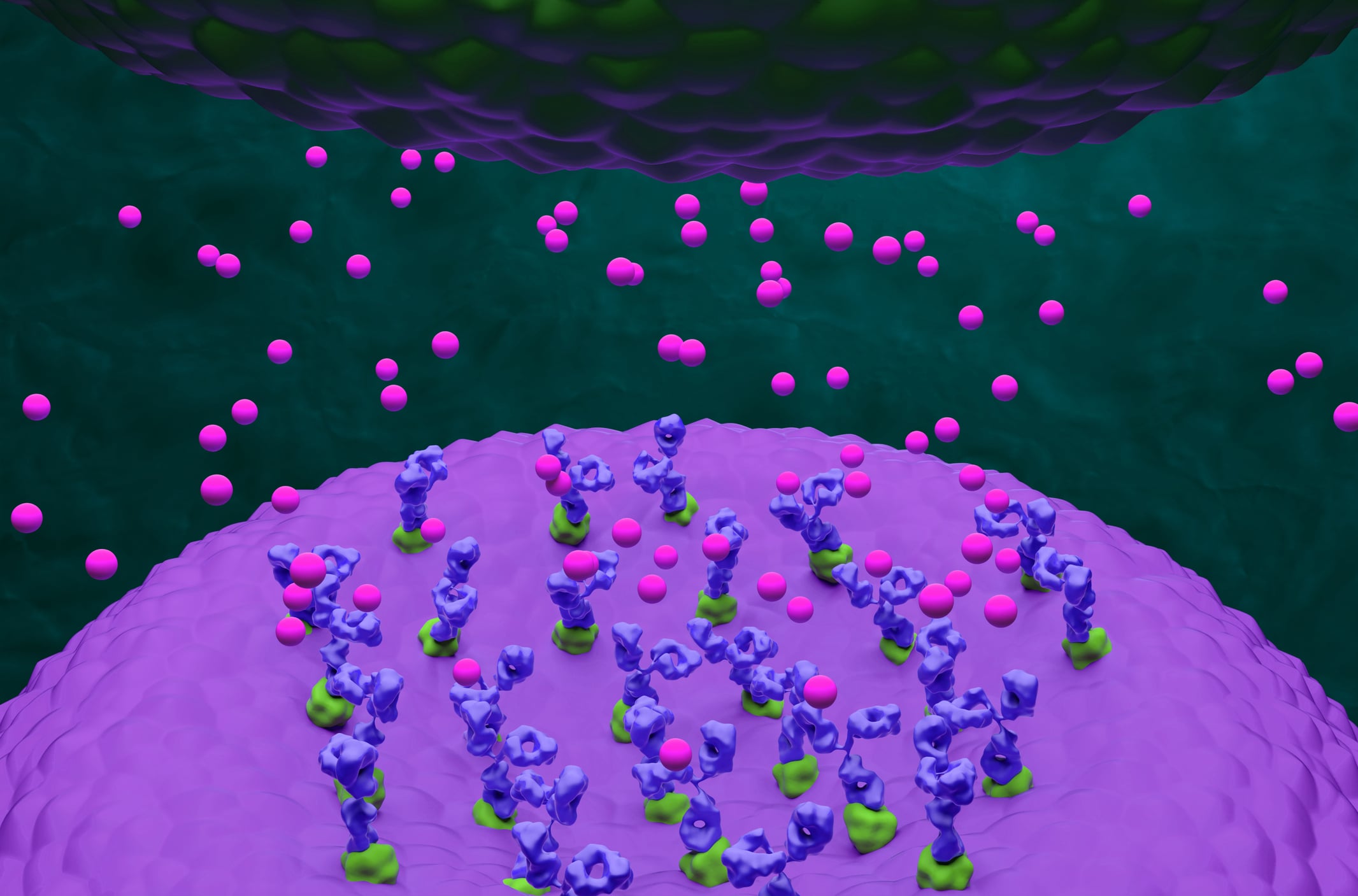
Many cancer therapeutics are based on targeting diseased tissue without affecting healthy tissue. One proven method of distinguishing between good and evil is the targeted blockade of enzymes that are overproduced in cancer cells. The metabolism of the cell is thus disturbed to such an extent that controlled cell death is initiated and the cancer cell eventually dies, whereas healthy cells remain largely unaffected. One enzyme family that the scientists would like to be able to block specifically is that of the 18 histone deacetylases (HDACs), because they play a central role in some cancers, but also in HIV, inflammatory and immune diseases, as well as in neurodegenerative and parasitic diseases. The researchers are working on developing active substances according to the lock-and-key principle that exclusively block the enzyme pocket of the desired enzyme, but without impairing the functions of other enzymes. The “keys” we are looking for function as so-called inhibitors and, in the case of histone deacetylases, are known as HDACi.

Goal: Integrate inorganic building blocks into the development of active ingredients

At the Institute of Pharmacy of the University of Leipzig, the research group led by Prof. Dr. Finn K. Hansen (Junior Professor of Pharmaceutical and Medicinal Chemistry at the University of Leipzig until summer 2020; recently Professor of Pharmaceutical Chemistry at the University of Bonn) has been conducting research on such HDACi for several years. Researchers usually make use of the mainly carbon-based synthetic building blocks of organic chemistry. The problem: The choice of possible building blocks is limited. To expand the library, Hansen’s group therefore joined forces with the research group of Prof. Dr. Dr. h.c. Evamarie Hey-Hawkins at the Institute of Inorganic Chemistry, which provided the know-how and infrastructure to now also integrate inorganic boron-based building blocks into the development of HDACi. 

Junior scientist Dr. Christoph Selg implemented the synthesis work and commuted between the laboratories of the two research groups for several months. “Boron compounds are often very sensitive to air and water, so the syntheses of the inorganic building blocks had to be carried out under an inert gas atmosphere in special apparatus,” he explains. “The Hey-Hawkins Group laboratories specialize in this so-called Schlenk technique. Securely packaged, the compounds were then transported to the Institute for Drug Development (IWE) for synthesis of the finished active ingredients.”  The result: the new drug molecules now consisted of half conventional organic HDACi drug scaffolds and half inorganic boron clusters (carboranes). The Leipzig researchers christened them “borinostats.”

Effective and precisely controllable

Extensive in vitro tests at the Institute for Drug Development at the University of Leipzig, at the Pharmaceutical Institute of the University of Bonn and at the Clinic for Pediatric Oncology, Hematology and Clinical Immunology at the University Hospital Düsseldorf showed that the new compounds were not only very effective, but could also be precisely targeted to the enzyme histone deacetylase 6, which is particularly relevant in the treatment of cancer. “With this new concept, ‘keys and master keys’ for HDACs are now available. Our ‘borinostats’ represent a promising foundation for further inorganic-pharmaceutical cooperative research approaches,” says Selg.


Source: University of Leipzig

Previous Article
  • Oral anticoagulation

Practice guideline supports DOAK administration in special situations

  • Cardiology
  • Congress Reports
  • Pharmacology and toxicology
  • RX
View Post
Next Article
  • New study on patient participation

Should sufferers attend tumor conferences?

  • Oncology
  • RX
View Post
You May Also Like
View Post
  • 10 min
  • Contact eczema

Causes and prevention at work

    • Allergology and clinical immunology
    • CME continuing education
    • Dermatology and venereology
    • Prevention and health care
    • RX
View Post
  • 15 min
  • Pulmonary hypertension

PH and lung diseases

    • Cardiology
    • CME continuing education
    • Pneumology
    • RX
    • Studies
View Post
  • 6 min
  • Respiratory infections: viral bronchitis or bacterial pneumonia?

Old crucial question in the light of current findings

    • Congress Reports
    • General Internal Medicine
    • Infectiology
    • Pharmaceutical medicine
    • Pharmacology and toxicology
    • Phytotherapy
    • Pneumology
    • RX
View Post
  • 6 min
  • What biomarkers reveal about "biological youth" - and what not (yet)

Epigenetic ageing

    • Education
    • Genetics
    • Geriatrics
    • Prevention and health care
    • RX
    • Studies
View Post
  • 4 min
  • Amyotrophic lateral sclerosis and nutrition

Calorie optimization in ALS through digital intervention

    • Education
    • Neurology
    • Nutrition
    • RX
    • Studies
View Post
  • 14 min
  • "Forgotten axis" between plant substances, gut and systemic health

Microbiome and phytotherapy

    • Education
    • Endocrinology and Diabetology
    • Gastroenterology and Hepatology
    • General Internal Medicine
    • Infectiology
    • Neurology
    • Nutrition
    • Pharmaceutical medicine
    • Phytotherapy
    • RX
    • Studies
View Post
  • 4 min
  • HIV: updated EACS guideline

Individualized approach to sustainable prevention and care

    • Cardiology
    • Education
    • General Internal Medicine
    • Infectiology
    • Prevention and health care
    • RX
    • Studies
View Post
  • 5 min
  • Evidence-based diagnostics and treatment in the medical setting

Anxiety and depression disorders in adolescence

    • Education
    • Pediatrics
    • Pharmacology and toxicology
    • Psychiatry and psychotherapy
    • RX
    • Studies
  • IBD matters

    Zum Thema
Top CME content
  • 1
    Can you swallow intelligence? Relevant substance classes times for healthy people
  • 2
    PH and lung diseases
  • 3
    Causes and prevention at work
  • 4
    Clinical care from birth to adulthood
  • 5
    Aligning care with the patient

Newsletter

Sign up and stay up to date

Subscribe
Medizinonline Medizinonline
  • Contact
  • General terms and conditions
  • Imprint

Input your search keywords and press Enter.