Medizinonline Medizinonline
  • News
    • News
    • Market & Medicine
  • Patients
    • Disease patterns
    • Diagnostics
    • Therapy
  • Partner Content
    • Dermatology
      • Atopic dermatitis and psoriasis news
    • Diabetes
      • Dia-Month Club – Type 2 Diabetes
      • Diabetes in Motion
      • Diabetes Podcasts
    • Gastroenterology
      • IBD matters
    • Oncology
      • Swiss Oncology in motion
    • Orthopedics
      • Osteoporosis in motion
  • Departments
    • Allergology and clinical immunology
    • General Internal Medicine
    • Anesthesiology
    • Angiology
    • Surgery
    • Dermatology and venereology
    • Endocrinology and Diabetology
    • Nutrition
    • Gastroenterology and Hepatology
    • Genetics
    • Geriatrics
    • Gynecology
    • Hematology
    • Infectiology
    • Cardiology
    • Nephrology
    • Neurology
    • Emergency and intensive care medicine
    • Nuclear Medicine
    • Oncology
    • Ophthalmology
    • ORL
    • Orthopedics
    • Pediatrics
    • Pharmacology and toxicology
    • Pharmaceutical medicine
    • Phlebology
    • Physical medicine and rehabilitation
    • Pneumology
    • Prevention and health care
    • Psychiatry and psychotherapy
    • Radiology
    • Forensic Medicine
    • Rheumatology
    • Sports Medicine
    • Traumatology and trauma surgery
    • Tropical and travel medicine
    • Urology
    • Dentistry
  • CME & Congresses
    • CME continuing education
    • Congress Reports
    • Congress calendar
  • Practice
    • Noctimed
    • Practice Management
    • Jobs
    • Interviews
  • Log In
  • Register
  • My account
  • Contact
  • Publications
  • Contact
  • Deutsch
  • English
  • Français
  • Italiano
  • Português
  • Español
Subscribe
Medizinonline Medizinonline
  • News
    • News
    • Market & Medicine
  • Patienten
    • Krankheitsbilder
    • Diagnostik
    • Therapie
  • Partner Content
    • Dermatology
      • Atopic dermatitis and psoriasis news
    • Diabetes
      • Dia-Month Club – Type 2 Diabetes
      • Diabetes in Motion
      • Diabetes Podcasts
    • Gastroenterology
      • IBD matters
    • Oncology
      • Swiss Oncology in motion
    • Orthopedics
      • Osteoporosis in motion
    • Phytotherapie
    • Rheumatology
  • Departments
    • Fachbereiche 1-13
      • Allergology and clinical immunology
      • General Internal Medicine
      • Anesthesiology
      • Angiology
      • Surgery
      • Dermatology and venereology
      • Endocrinology and Diabetology
      • Nutrition
      • Gastroenterology and Hepatology
      • Genetics
      • Geriatrics
      • Gynecology
      • Hematology
    • Fachbereiche 14-26
      • Infectiology
      • Cardiology
      • Nephrology
      • Neurology
      • Emergency and intensive care medicine
      • Nuclear Medicine
      • Oncology
      • Ophthalmology
      • ORL
      • Orthopedics
      • Pediatrics
      • Pharmacology and toxicology
      • Pharmaceutical medicine
    • Fachbereiche 26-38
      • Phlebology
      • Physical medicine and rehabilitation
      • Phytotherapy
      • Pneumology
      • Prevention and health care
      • Psychiatry and psychotherapy
      • Radiology
      • Forensic Medicine
      • Rheumatology
      • Sports Medicine
      • Traumatology and trauma surgery
      • Tropical and travel medicine
      • Urology
      • Dentistry
  • CME & Congresses
    • CME continuing education
    • Congress Reports
    • Congress calendar
  • Practice
    • Noctimed
    • Practice Management
    • Jobs
    • Interviews
Login

Sie haben noch keinen Account? Registrieren

  • Obesity and adenomas

Visceral fat as a mediator

    • Endocrinology and Diabetology
    • News
    • Oncology
    • RX
  • 2 minute read

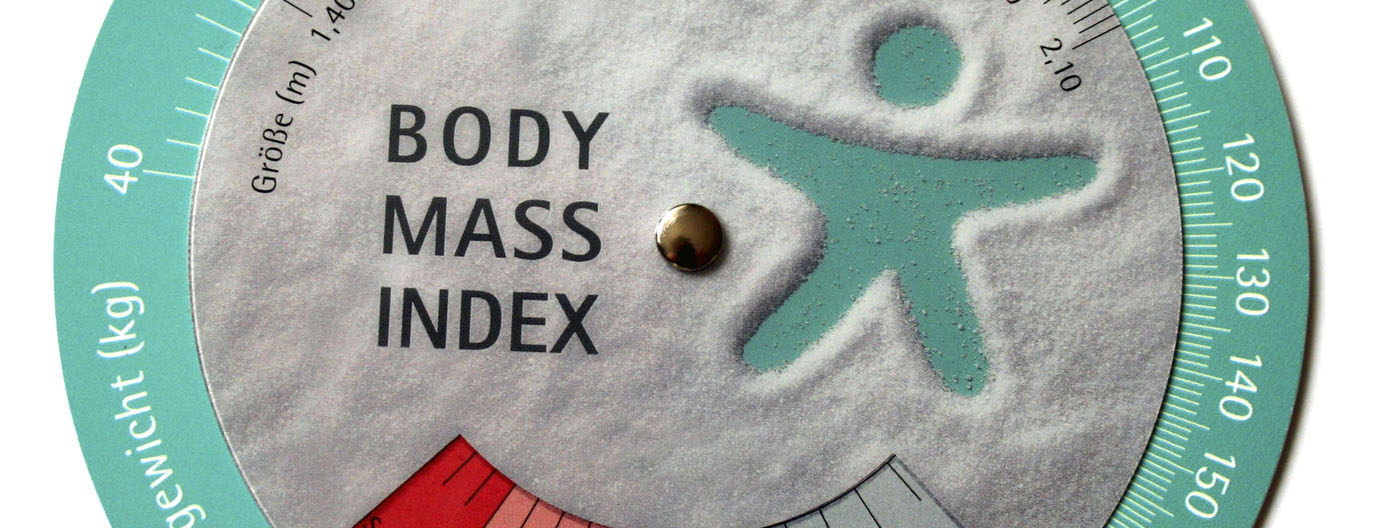
Previously, when epidemiological studies examined the association between obesity and colorectal neoplasia, body mass index (BMI) and abdominal circumference were usually used. These two parameters do not distinguish between visceral and subcutaneous adipose fat, which could be problematic because visceral adipose tissue in particular is considered to be mainly responsible for hormonal and metabolic disturbances and colorectal carcinogenesis.

A study has appeared in the Annals of Oncology examining the association between visceral adipose tissue and colorectal adenomas [1]. Does this tissue have value as an independent risk factor in addition to BMI, abdominal circumference, and subcutaneous fat?

The question was addressed with a meta-analysis that included twelve observational studies (i.e., case-control studies, cohort studies, or cross-sectional studies). All addressed the relationship between visceral fat and adenomas. From this, the authors now calculated the odds ratio.

Clear connection shown

Overall, it was found that each 25 cm2 increase in visceral adipose tissue volume increased the risk of colorectal adenomas by 13% (OR 1.13, 95%CI 1.05-1.21; 6 studies; 2776 cases). A remarkable 98% increase in risk was found when the volume of 150 cm2 was contrasted with that of 30 cm2 (1.98, 95%CI 1.75-2.24). The positive association between visceral adipose tissue and adenomas remained significant even when BMI, abdominal circumference, and subcutaneous fat were included in the calculation. Conversely, visceral tissue as a mediator was shown to substantially attenuate the association between the remaining three factors and adenomas.
Also of interest, across the studies examined, the association between visceral adipose tissue and advanced adenomas was significantly stronger than the association with non-advanced forms.

Determine BMI and abdominal circumference

The authors conclude that visceral tissue may be the key mediator explaining the observed association between BMI, abdominal girth, and adenomas. If one nevertheless wishes to use these factors in clinical practice (direct assessment of visceral fat mass by CT or MRI, for example, is laborious and costly), both should be used because together they better reflect visceral adipose tissue and thus can identify those at increased risk for colorectal neoplasia.

Literature:

  1. Keum N, et al: Visceral Adiposity and Colorectal Adenomas: Dose-Response Meta-Analysis of Observational Studies. Ann Oncol 2014. doi: 10.1093/annonc/mdu563. First published online: December 5, 2014.

InFo ONCOLOGY & HEMATOLOGY 2015; 3(3-4): 2

Autoren
  • Andreas Grossmann
Publikation
  • InFo ONKOLOGIE & HÄMATOLOGIE
Related Topics
  • BMI
  • colorectal carcinogenesis
  • colorectal neoplasms
  • epidemiological
  • Fat tissue
  • hormonal
  • metabolic disorders
  • obese fat
  • Obesity
  • Studies
  • subcutaneous
  • visceral
Previous Article
  • Psychiatric aspects in rare diseases

Better care for patients – also with regard to psychosocial stress

  • General Internal Medicine
  • News
  • Psychiatry and psychotherapy
  • RX
View Post
Next Article
  • News from dermatooncology

Melanoma with or without BRAF mutation – new therapies in the pipeline

  • Dermatology and venereology
  • News
  • Oncology
  • RX
  • Studies
View Post
You May Also Like
View Post
  • 6 min
  • What biomarkers reveal about "biological youth" - and what not (yet)

Epigenetic ageing

    • Education
    • Genetics
    • Geriatrics
    • Prevention and health care
    • RX
    • Studies
View Post
  • 4 min
  • Amyotrophic lateral sclerosis and nutrition

Calorie optimization in ALS through digital intervention

    • Education
    • Neurology
    • Nutrition
    • RX
    • Studies
View Post
  • 14 min
  • "Forgotten axis" between plant substances, gut and systemic health

Microbiome and phytotherapy

    • Education
    • Endocrinology and Diabetology
    • Gastroenterology and Hepatology
    • General Internal Medicine
    • Infectiology
    • Neurology
    • Nutrition
    • Pharmaceutical medicine
    • Phytotherapy
    • RX
    • Studies
View Post
  • 4 min
  • HIV: updated EACS guideline

Individualized approach to sustainable prevention and care

    • Cardiology
    • Education
    • General Internal Medicine
    • Infectiology
    • Prevention and health care
    • RX
    • Studies
View Post
  • 5 min
  • Evidence-based diagnostics and treatment in the medical setting

Anxiety and depression disorders in adolescence

    • Education
    • Pediatrics
    • Pharmacology and toxicology
    • Psychiatry and psychotherapy
    • RX
    • Studies
View Post
  • 25 min
  • Neuroenhancement

Can you swallow intelligence? Relevant substance classes times for healthy people

    • CME continuing education
    • Neurology
    • Pharmacology and toxicology
    • Psychiatry and psychotherapy
    • RX
    • Studies
View Post
  • 9 min
  • Microbiome, inflammaging and affective/cognitive health

Gut-brain axis in old age

    • Education
    • Gastroenterology and Hepatology
    • General Internal Medicine
    • Geriatrics
    • Neurology
    • Nutrition
    • Prevention and health care
    • RX
    • Studies
View Post
  • 6 min
  • Vitiligo - the level of suffering should not be underestimated

A lot can be achieved therapeutically nowadays

    • Congress Reports
    • Dermatology and venereology
    • RX
    • Studies
  • IBD matters

    Zum Thema
Top CME content
  • 1
    Can you swallow intelligence? Relevant substance classes times for healthy people
  • 2
    Clinical care from birth to adulthood
  • 3
    Aligning care with the patient
  • 4
    Control instead of a flood of data: AI makes big data and wearables usable
  • 5
    Causes and prevention at work

Newsletter

Sign up and stay up to date

Subscribe
Medizinonline Medizinonline
  • Contact
  • General terms and conditions
  • Imprint

Input your search keywords and press Enter.