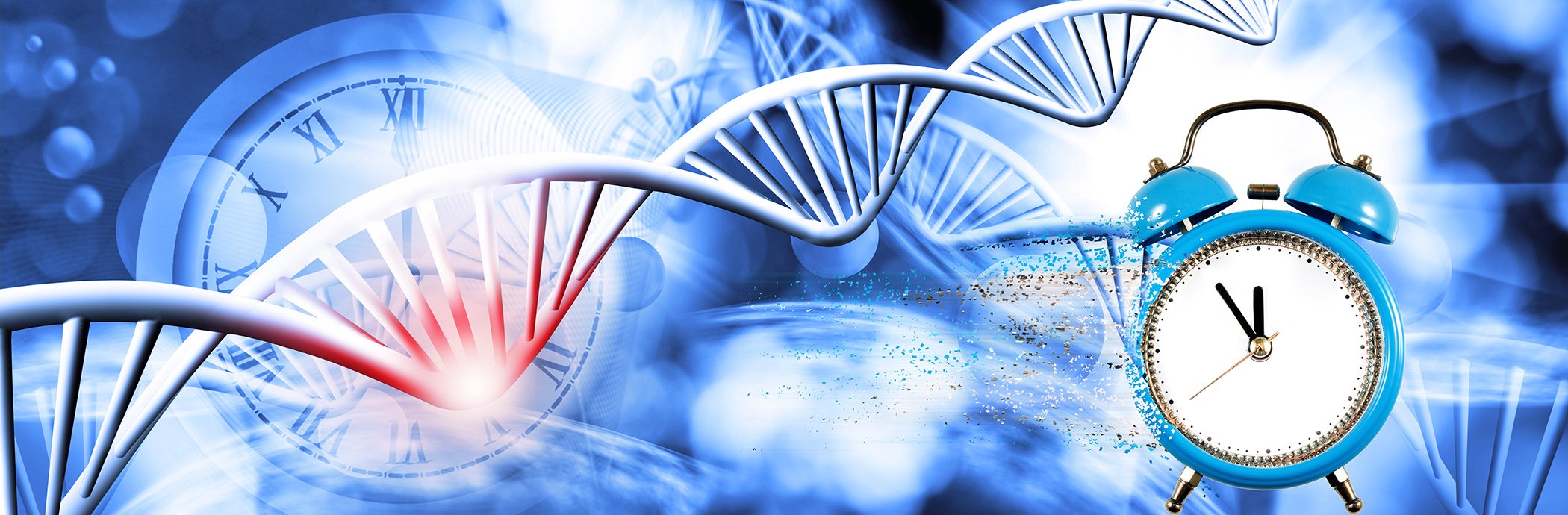
In recent years, epigenetic clocks based on DNA methylation have evolved from research tools to widely used biomarkers of biological ageing. They correlate not only with chronological age, but also – depending on the “clock generation” – with morbidity, functional outcomes and mortality risks. At the same time, the step into clinical routine is challenging: measurement accuracy, comparability between tests, population generalizability and clinical decision limits have so far only been partially standardized.
Publikation
- Longevity-Special
You May Also Like
- MACE risk, heart failure incidence and all-cause mortality
Metabolic syndrome as a cardiovascular risk factor
- Glaucoma in old age: slowing down progression
IOP lowering is currently the only evidence-based treatment
- Vector-borne infections with skin manifestations
Arboviruses and leishmaniasis in Europe
- Multimorbidity and functional capacity in old age
Clarify individual health status and reduce risks
- Tick season: danger from early summer meningoencephalitis
TBE vaccination recommended for adults and children aged 3 and over
- New WHO guideline, updated stimulation protocols, focus on PGT-A
Fertility and reproductive medicine 2026
- Proteins in wound healing
Do special amino acids lead to success?
- Wound treatment