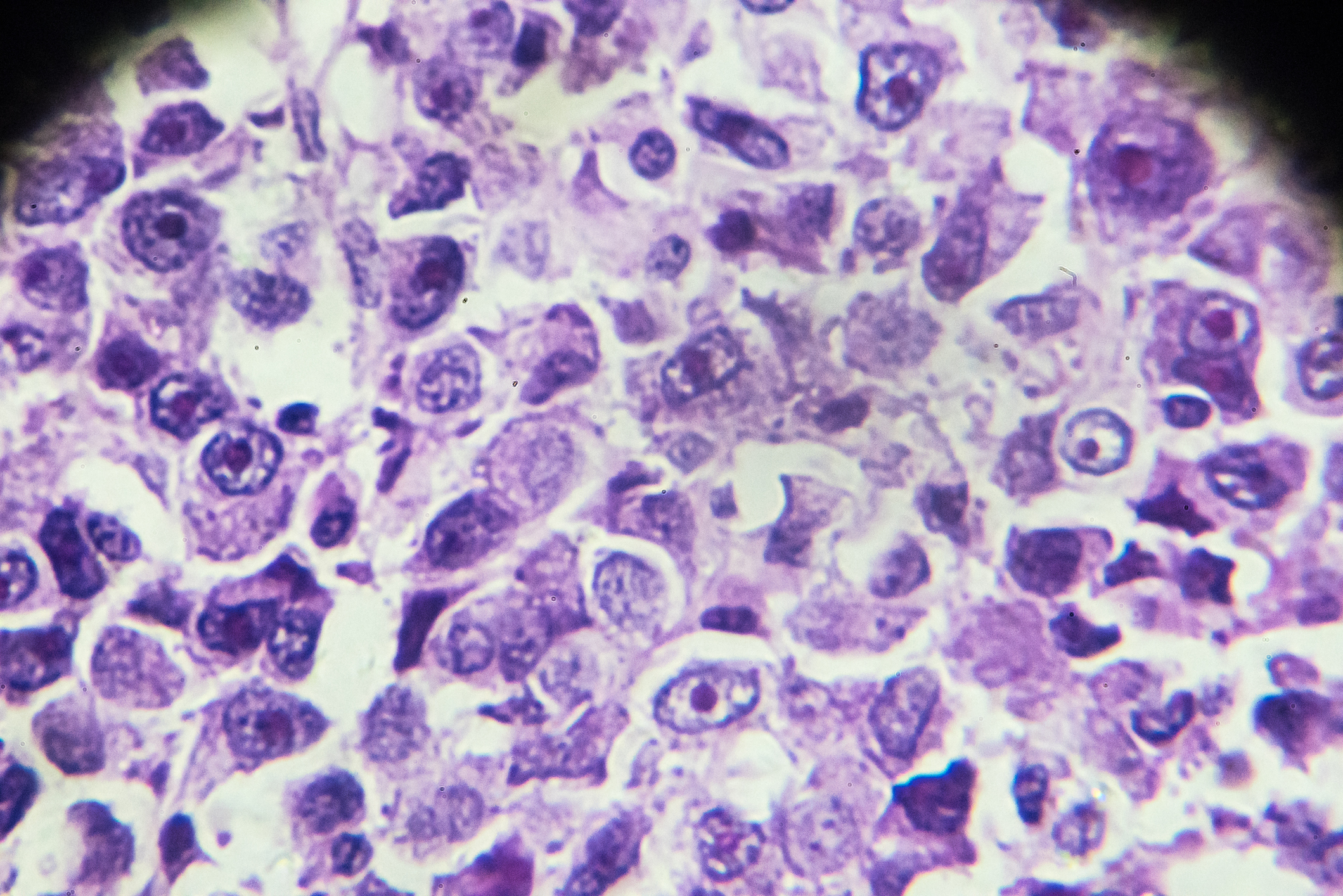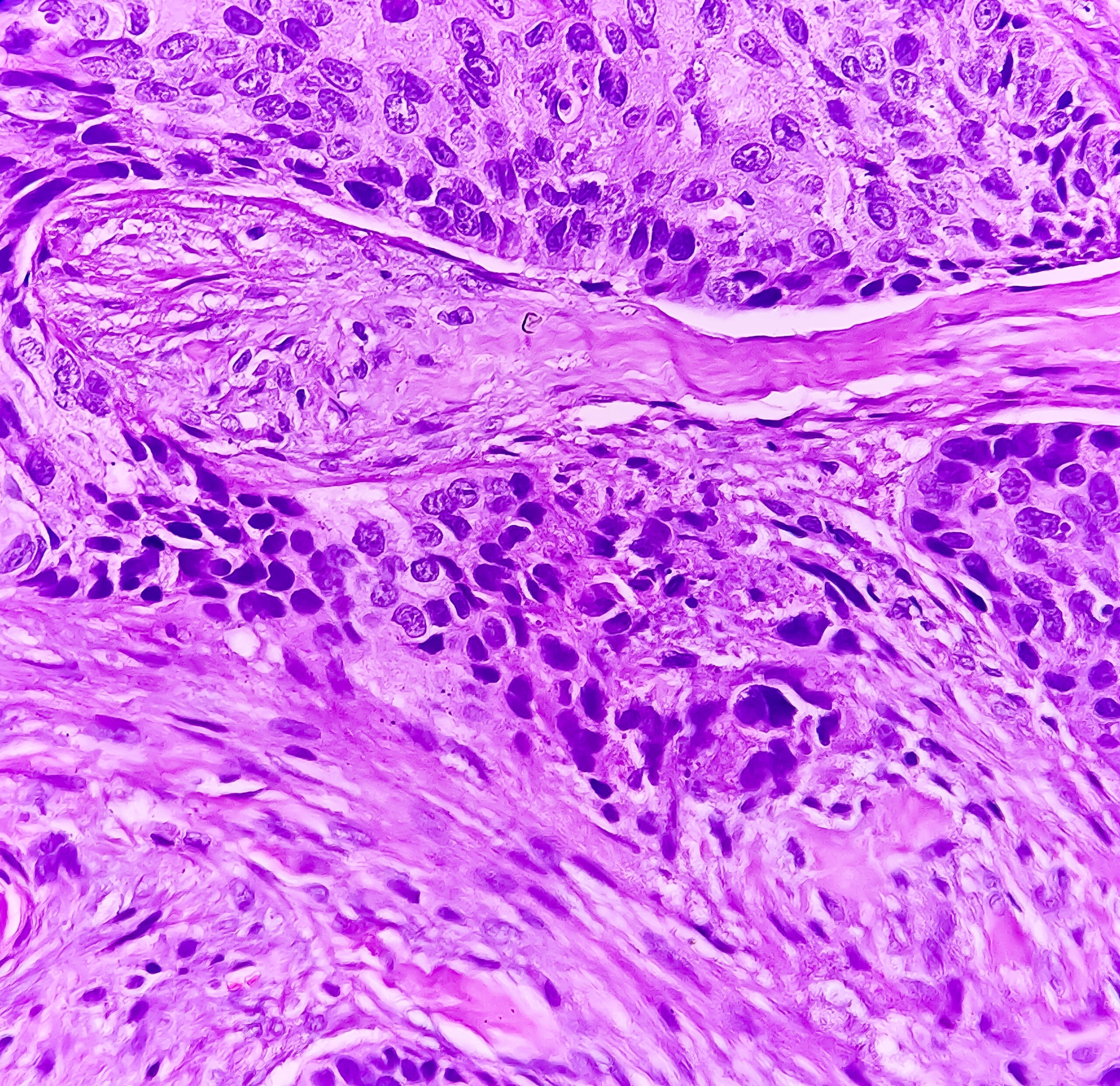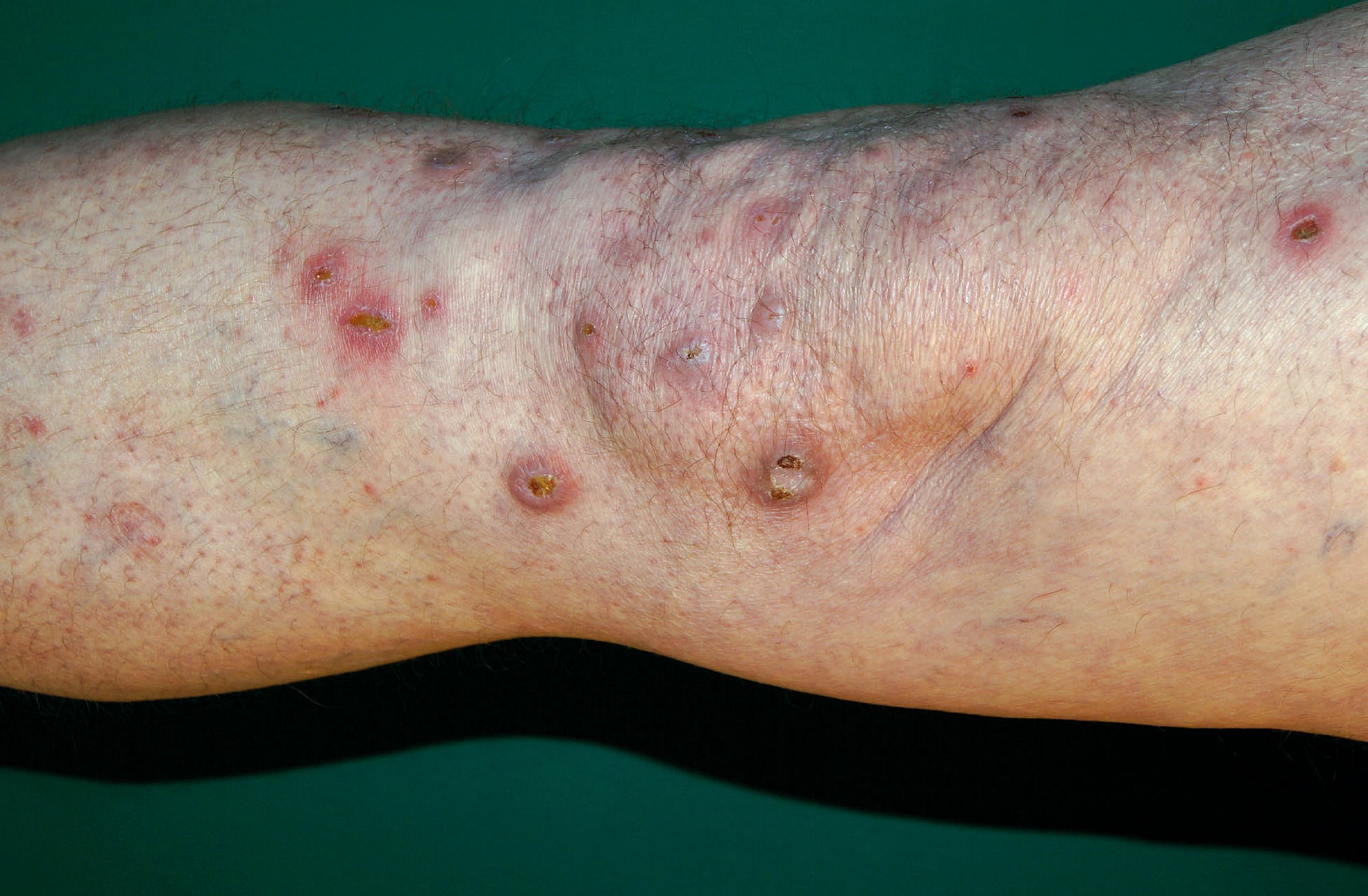
The pathophysiology of prurigo nodularis (PN) is multifactorial and complex, but great progress has recently been made in terms of treatment options. In addition to the monoclonal antibodies dupilumab and nemolizumab approved on the basis of the PRIME/PRIME2 studies and the OLYMPIA study program, various systemic agents are currently being investigated in phase II and III clinical trials, including several monoclonal antibodies and Janus kinase inhibitors.

You May Also Like
- Current evidence, risk classes and new counseling options
Hormonal contraception and cardiovascular risk
- Acute otitis media: self-limiting course vs. "red flags"
In which cases are antibiotics necessary?
- Prurigo nodularis: evidence-based treatment
Targeted therapy options on the rise
- MACE risk, heart failure incidence and all-cause mortality
Metabolic syndrome as a cardiovascular risk factor
- Glaucoma in old age: slowing down progression
IOP lowering is currently the only evidence-based treatment
- Vector-borne infections with skin manifestations
Arboviruses and leishmaniasis in Europe
- Multimorbidity and functional capacity in old age
Clarify individual health status and reduce risks
- Tick season: danger from early summer meningoencephalitis