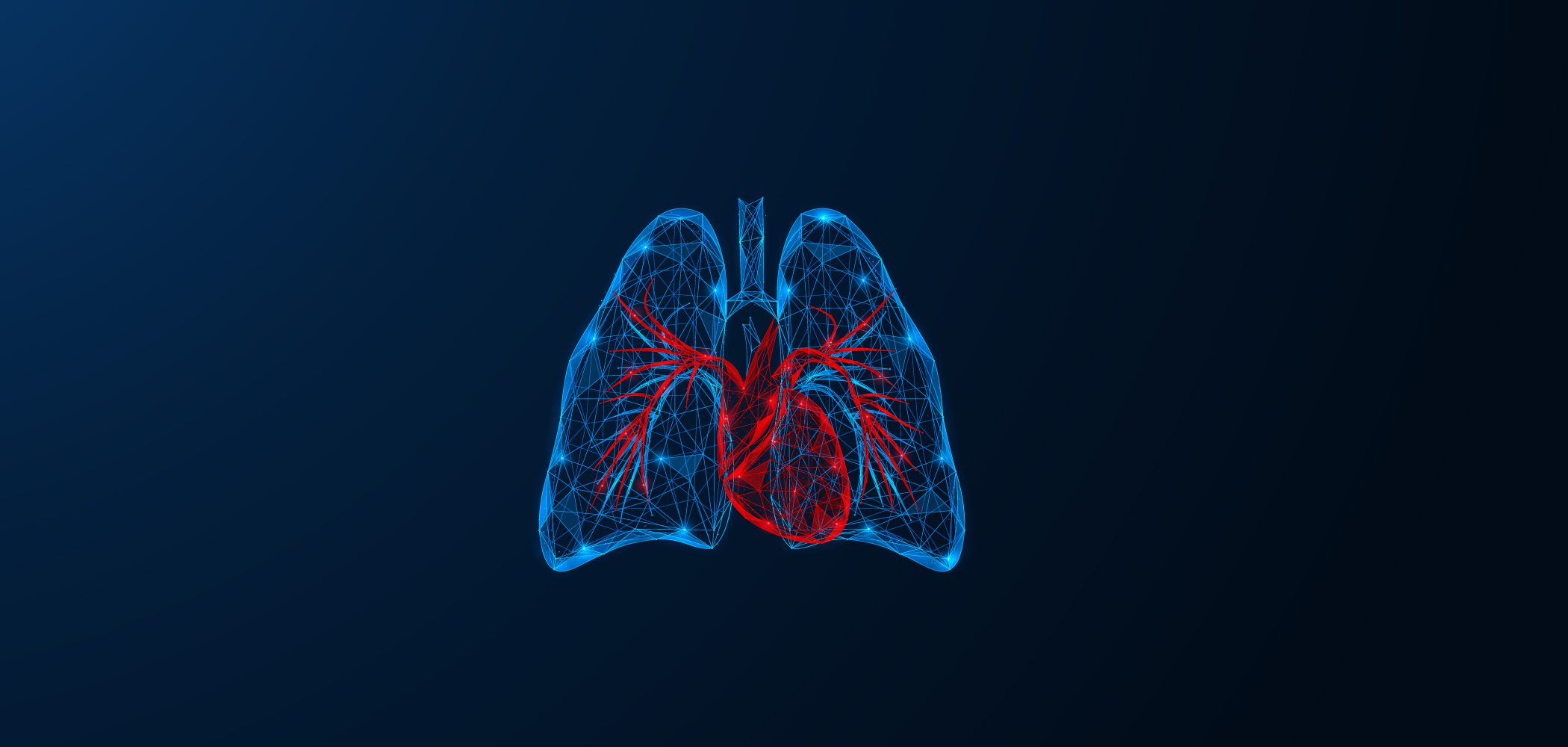
Pulmonary hypertension (PH) describes a hemodynamic condition with a pathological increase in pressure in the pulmonary vascular circulation. Clinically, PH causes reduced performance, shortness of breath, angina and syncope. In late stages, all signs of right heart failure are added, from which patients typically die.
Autoren
- Dr. med. Yaosi Li
- Dr. med. Daniel Grund
Publikation
- CARDIOVASC
Related Topics
You May Also Like
- From symptom to diagnosis
Abdominal pain – Prostate cysts
- Multimodal Parkinson's Treatment
Positive Effects of a Music-Based Intervention
- Psychooncology
Communication as the key to therapy adherence
- Cardiology
Minimally invasive – the quiet triumph of modern heart surgery
- Schizophrenia in the early-onset stage
Which antipsychotic should be used for treatment-naive patients?
- Diarrhea in children
The problem of parental expectations
- From symptom to diagnosis
Multilocular cystic renal cell carcinoma (MCRCC)
- Shaping the Future with LLM & Co.