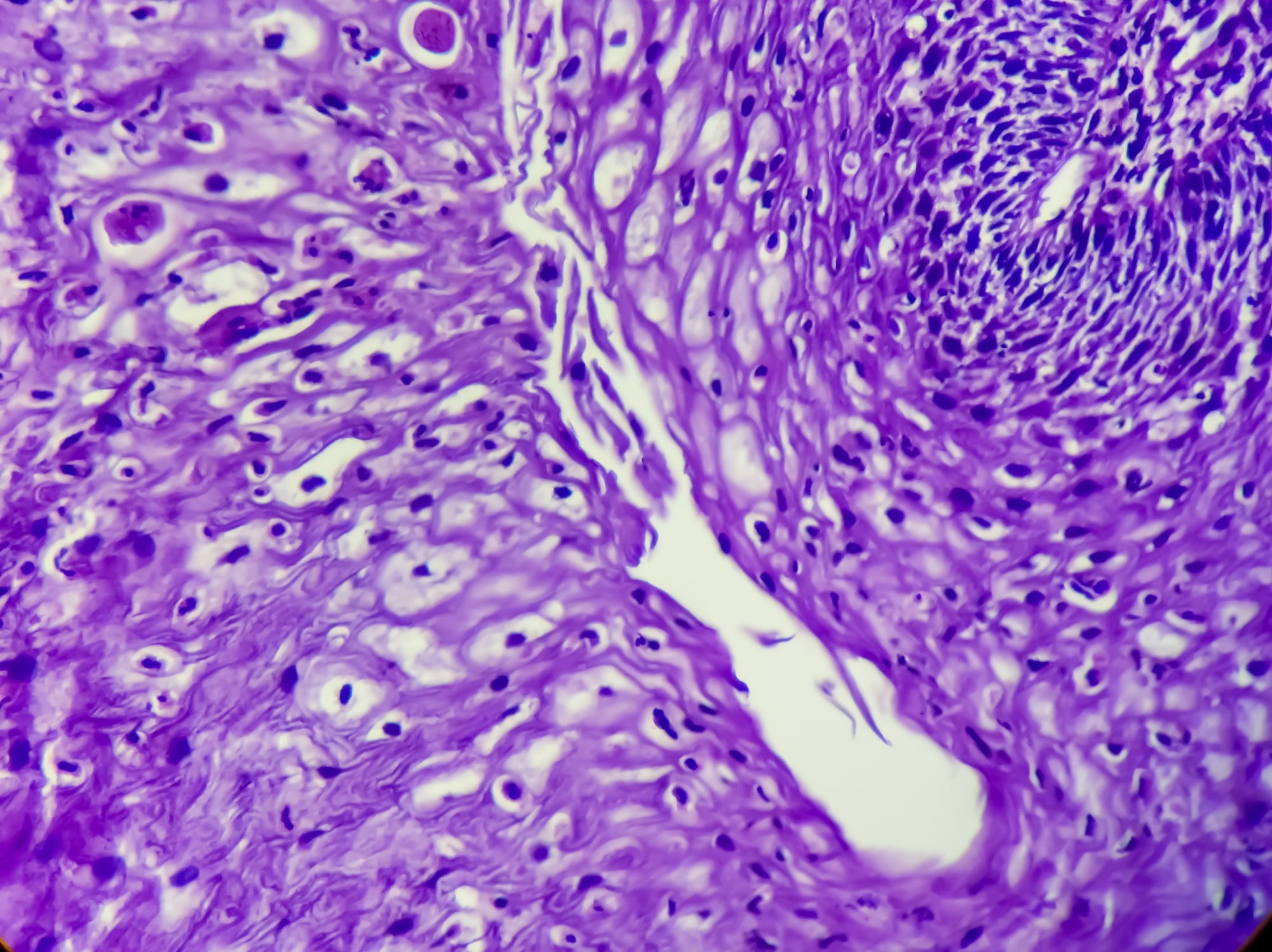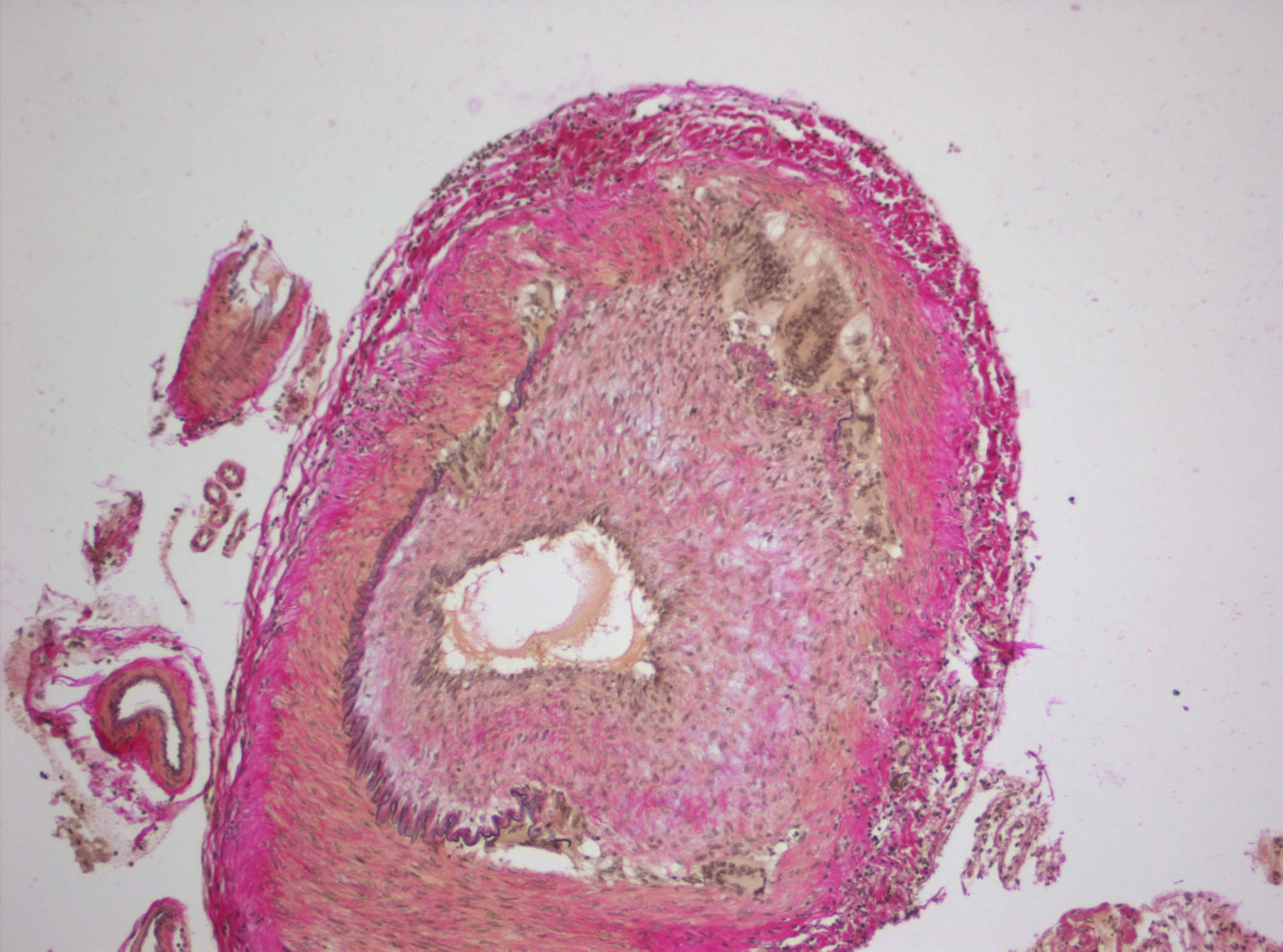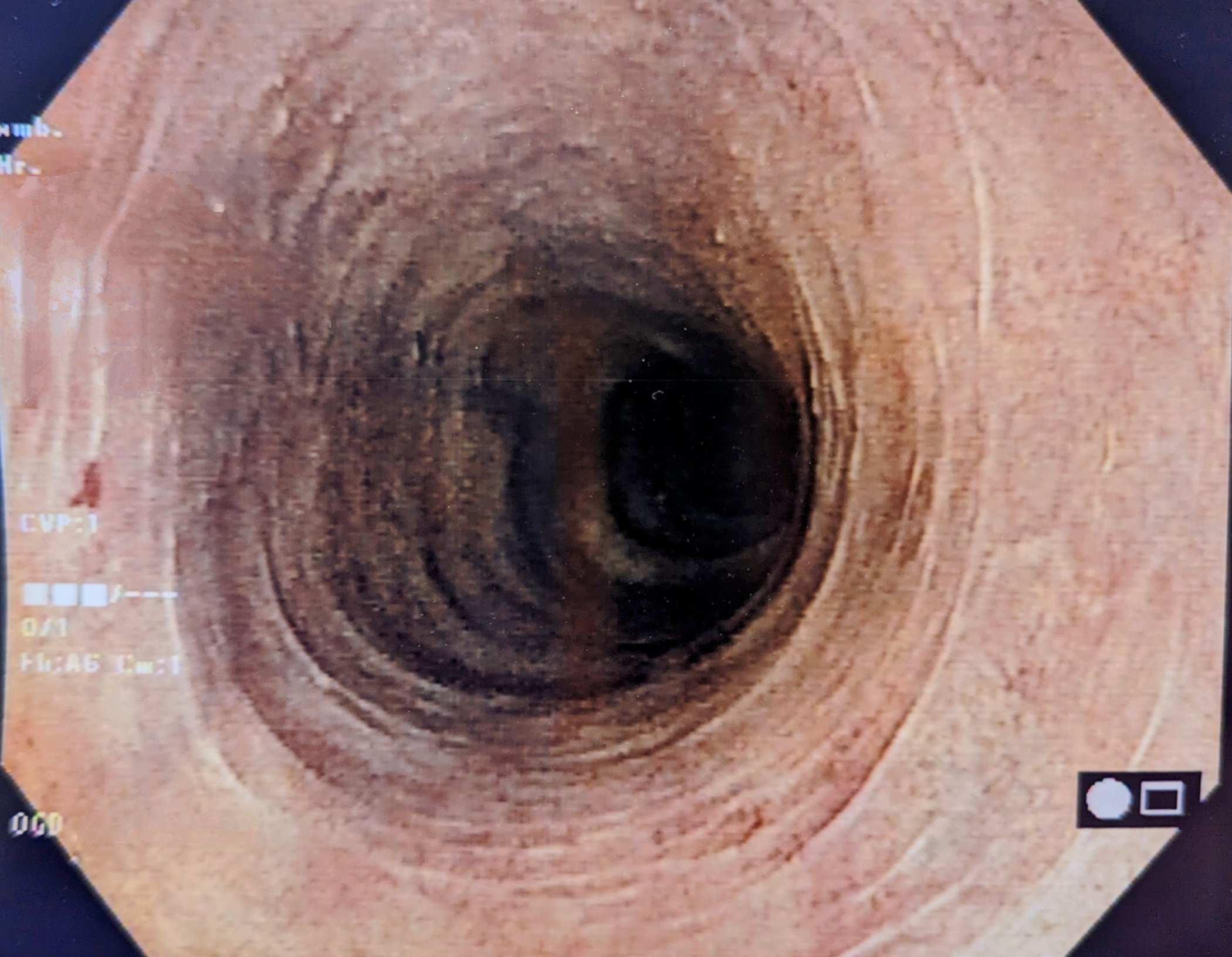
Eosinophilic oesophagitis (EoE) is still inadequately treated in terms of its association with other type 2 inflammatory diseases (T2). Italian researchers attempted to close this gap. Their conclusion: In EoE patients, it is no longer sufficient to rely on medical history or isolated specialist input. A structured, multidisciplinary assessment improves diagnostic accuracy, identifies therapeutic targets and enables a more individualized treatment plan.
Autoren
- Jens Dehn
Publikation
- GASTROENTEROLOGIE PRAXIS

Related Topics
You May Also Like
- Chronically active MS lesions
New paradigm in the diagnosis and treatment of multiple sclerosis
- AI in neurology
Control instead of a flood of data: AI makes big data and wearables usable
- Participation of the patient
Adherence in psychiatry
- Eosinophilic esophagitis
EoE rarely occurs in isolation
- Lung cancer with EGFR mutation
New perspectives in first-line therapy
- Sleep disorder
Sleep medicine in transition: new goals and a reassessment of old hypnotics
- Ginkgo biloba extract in the Alzheimer's mouse model
Effects on disease-associated microglia subpopulations
- "Patients W.A.I.T Indicator"