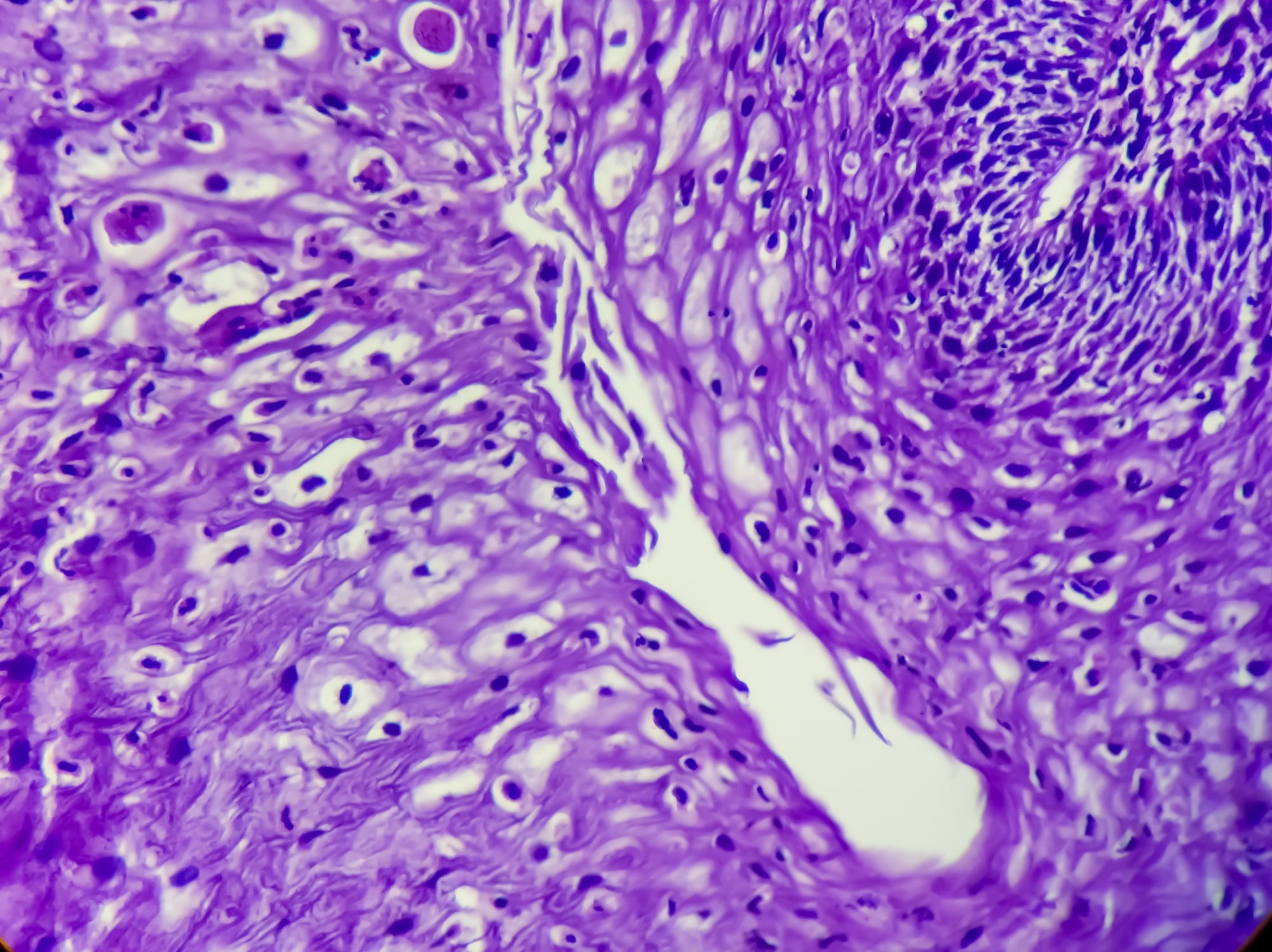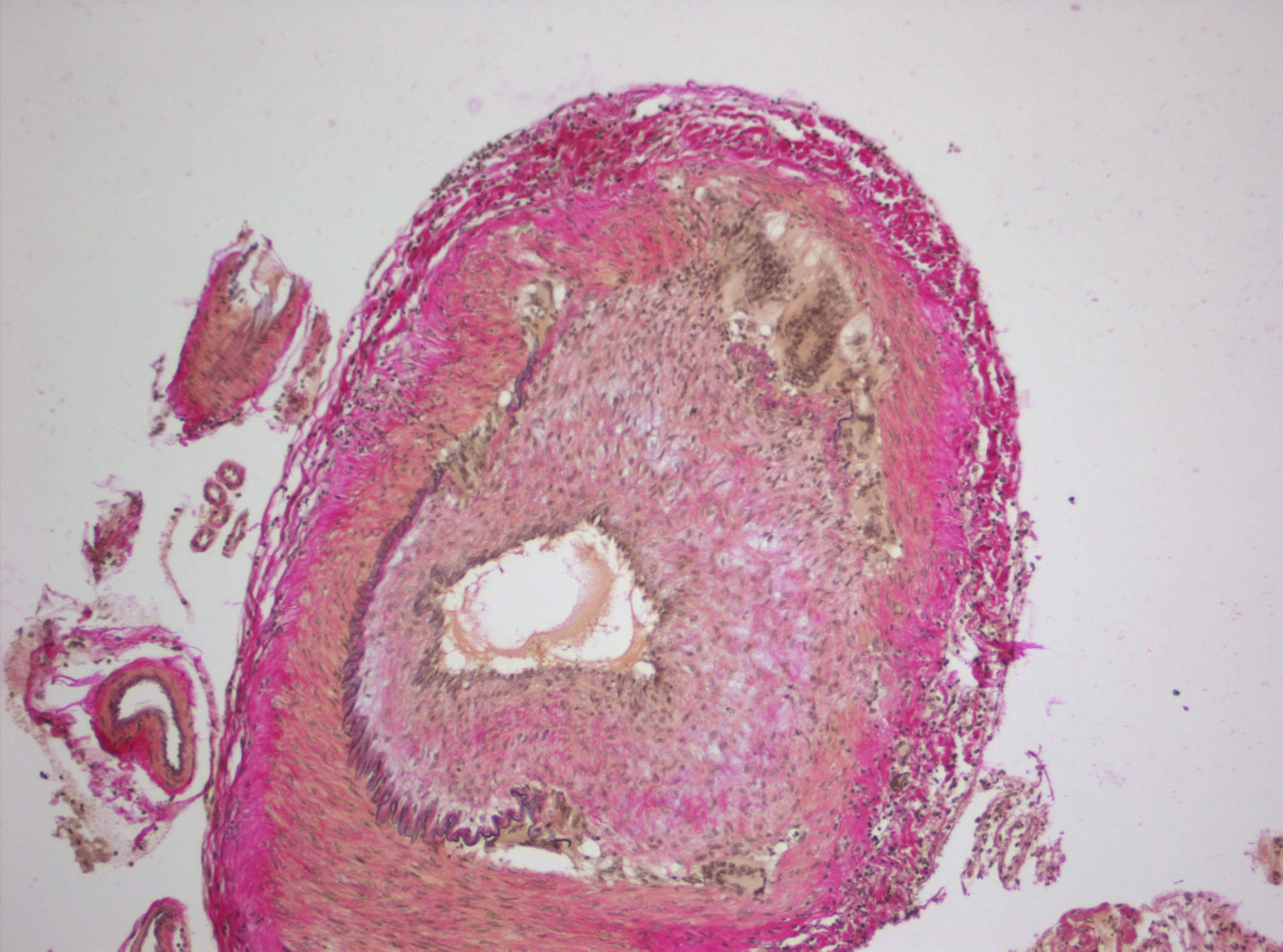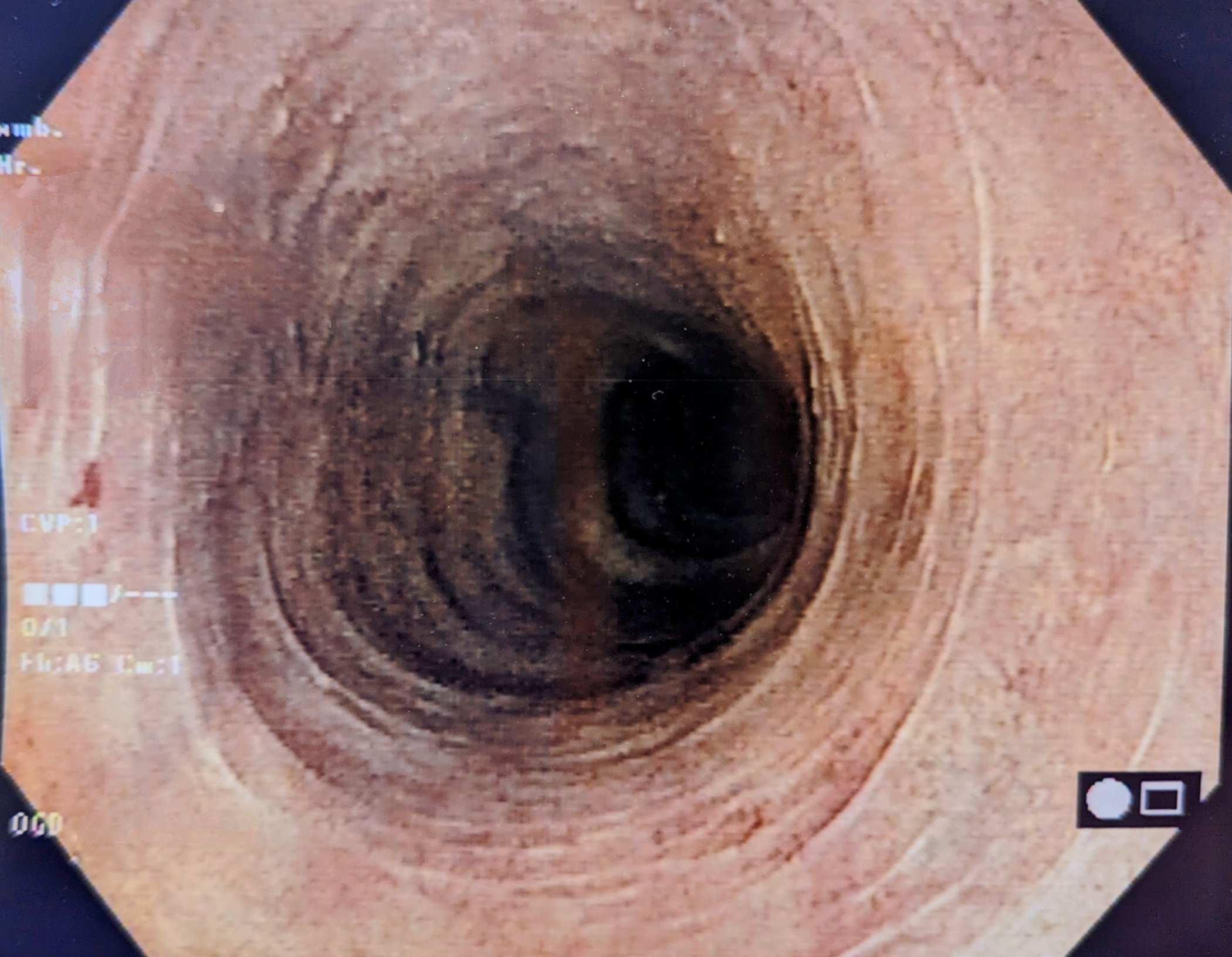
Eosinophilic oesophagitis (EoE) is still inadequately treated in terms of its association with other type 2 inflammatory diseases (T2). Italian researchers attempted to close this gap. Their conclusion: In EoE patients, it is no longer sufficient to rely on medical history or isolated specialist input. A structured, multidisciplinary assessment improves diagnostic accuracy, identifies therapeutic targets and enables a more individualized treatment plan.
Autoren
- Jens Dehn
Publikation
- GASTROENTEROLOGIE PRAXIS
Related Topics
You May Also Like
- Dapagliflozin for T2D and heart failure
Epicardial fat reduced in patients with type 2 diabetes and HF
- A hub of biological aging
Mitochondrial dysfunction and energy metabolism
- Health Literacy
Promoting health literacy: from the abstract to the concrete level
- Pharmacological therapy
Anxiety symptoms in eating disorders
- Case study
Wiedemann-Steiner syndrome in a 2-year-old girl
- Chronic back pain
Care in the virtual hospital – the Back@home project
- Psoriatic arthritis
Long-term remission also possible without DMARDs
- Clinical relevance, benefits and limitations