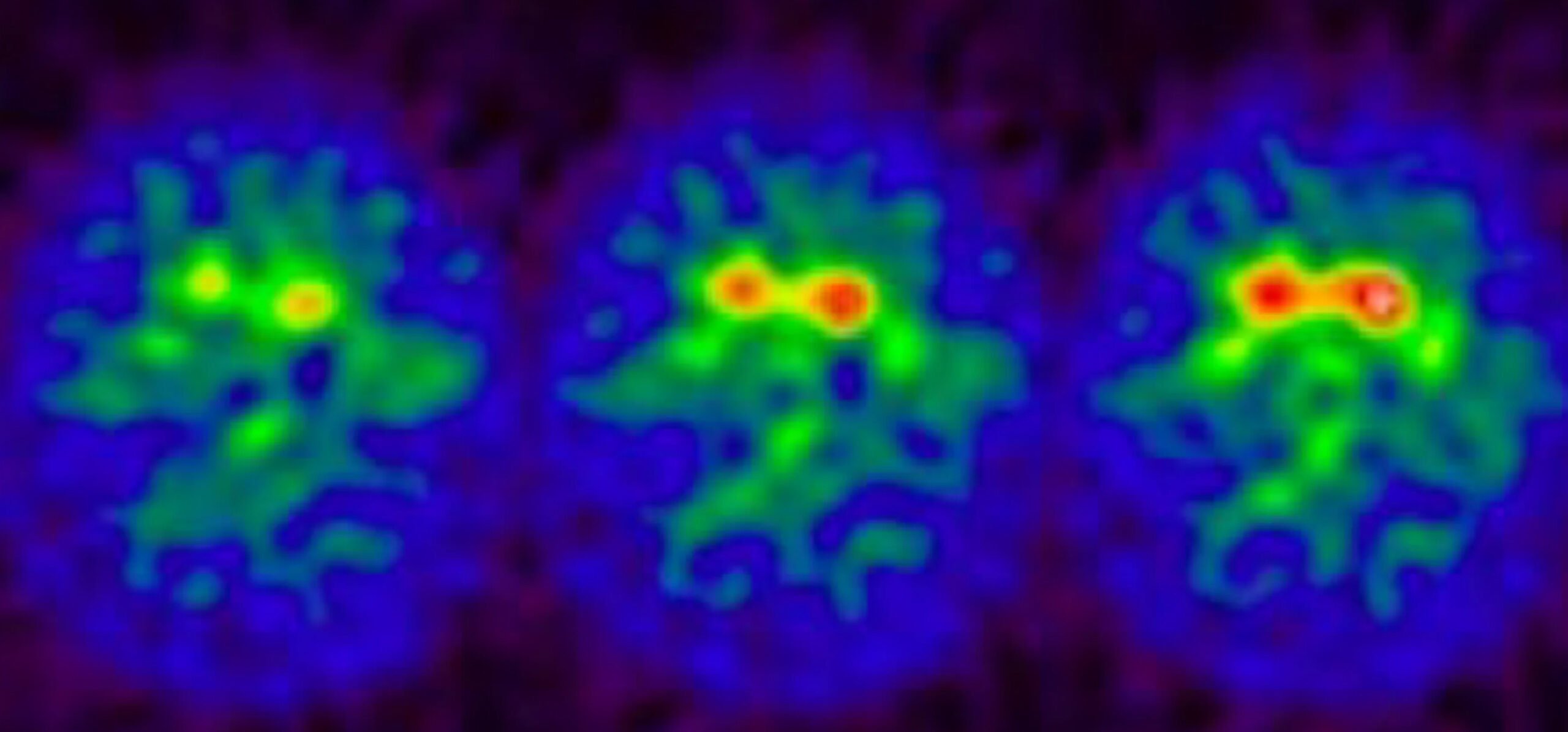
Nuclear medicine imaging enables early objectification of dopaminergic deficits and supports differential diagnosis. Imaging findings help with therapy planning, follow-up and individualization of treatment. Nuclear medicine procedures are a crucial addition to clinical Parkinson’s diagnostics. The article provides an overview of established tracers, their practical use and new developments that could enable earlier diagnosis and personalized therapy.
Autoren
- Dr. Ulf Blanke
Publikation
- InFo NEUROLOGIE & PSYCHIATRIE
Related Topics
You May Also Like
- From diagnostics to personalized therapy
Nuclear medical imaging for Parkinson’s disease
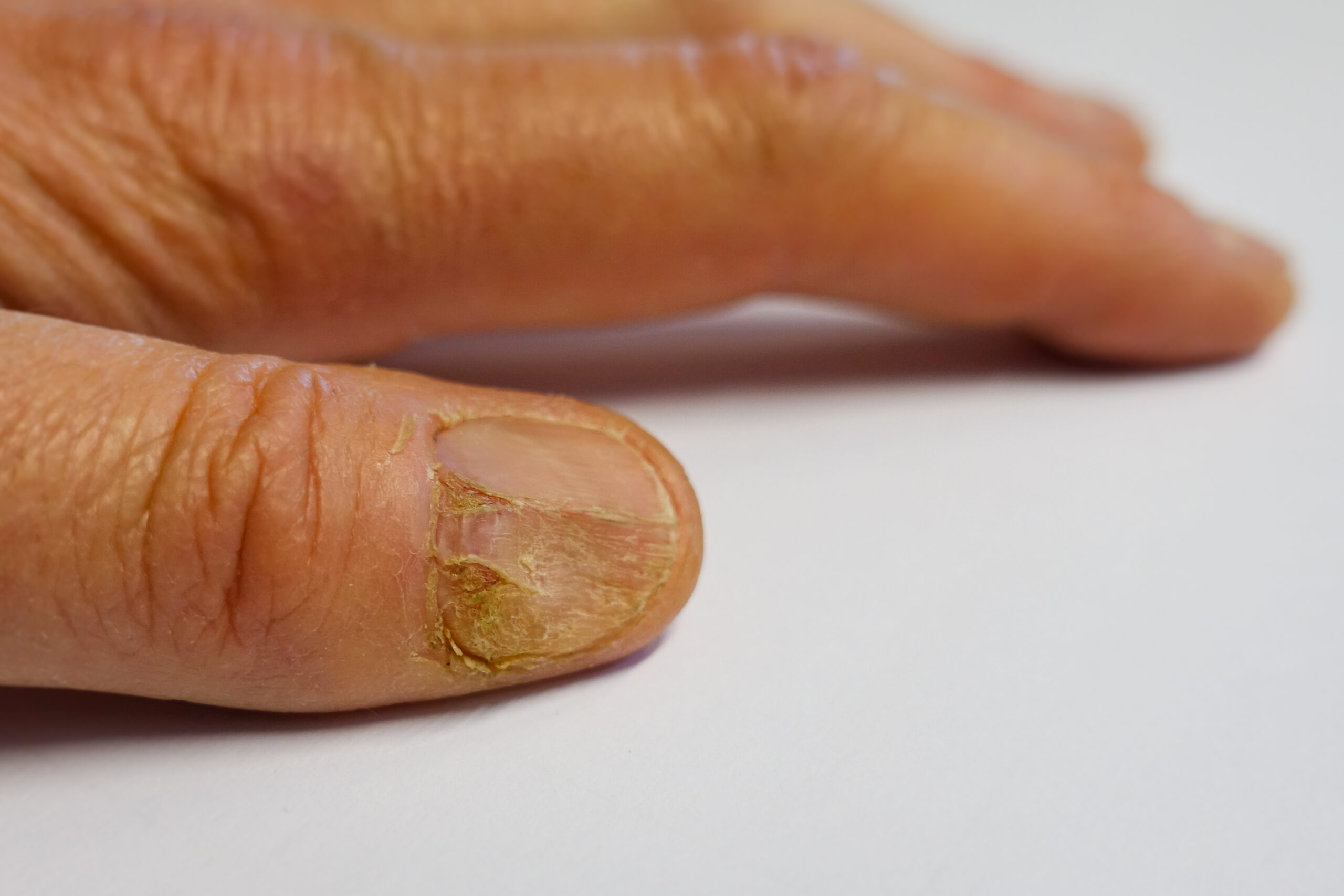
- Psoriasis in difficult localizations: Nail psoriasis
IL-23 and IL-17 as a target – selected study findings
- Artificial intelligence in diabetes prevention
Lifestyle interventions are better accepted with AI
- B-cell lymphomas
Bispecific antibodies – mechanisms, evidence and future role
- Dermatoscopic findings of granulomatous diseases
Cutaneous sarcoidosis, necrobiosis lipoidica and granuloma anulare
- Clostridioides difficile infection: specific therapy
Importance of vancomycin and fidaxomicin has increased
- Study report
Asthma exacerbation risk in patients with a psychological comorbidity
- Neuropathies - CIDP