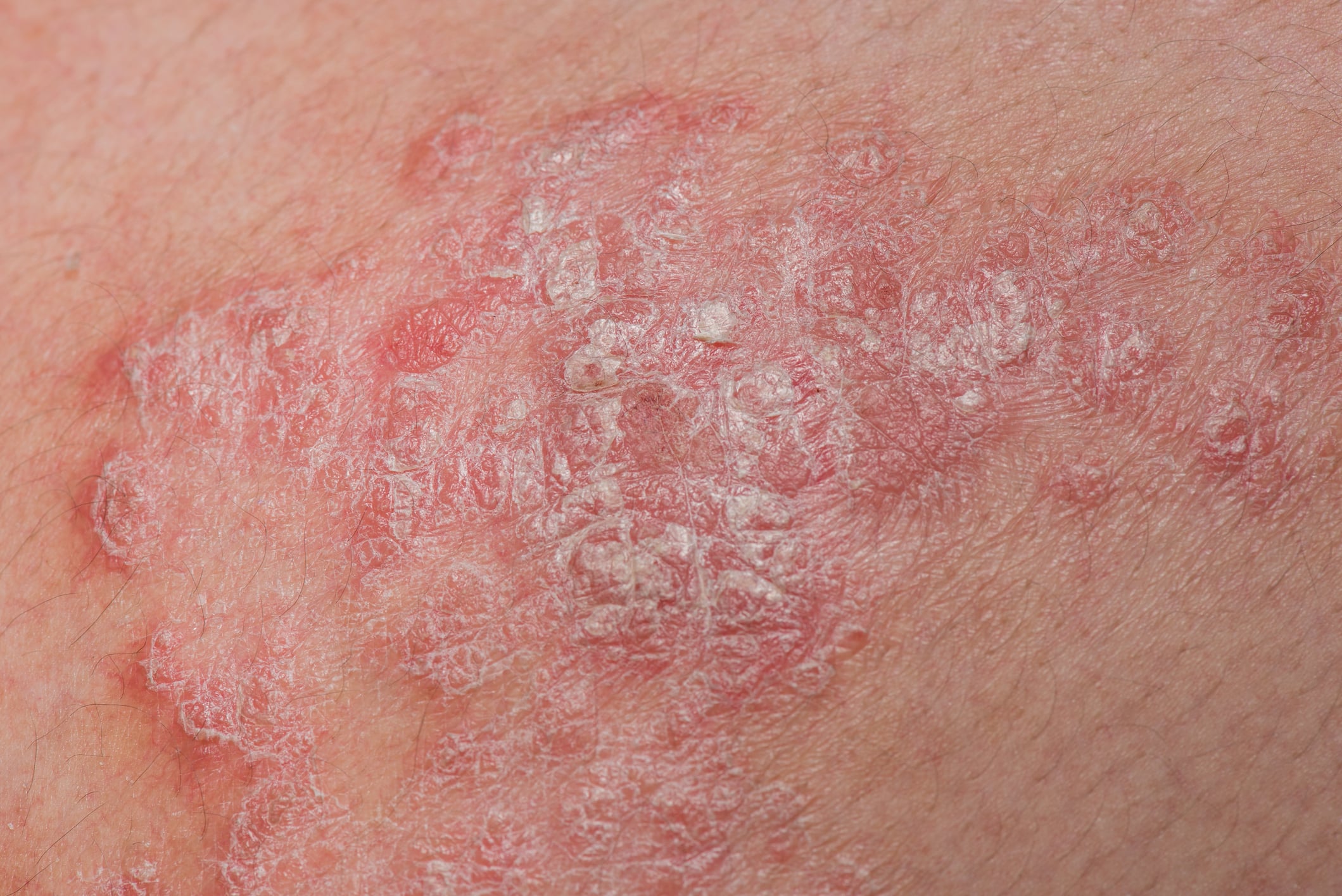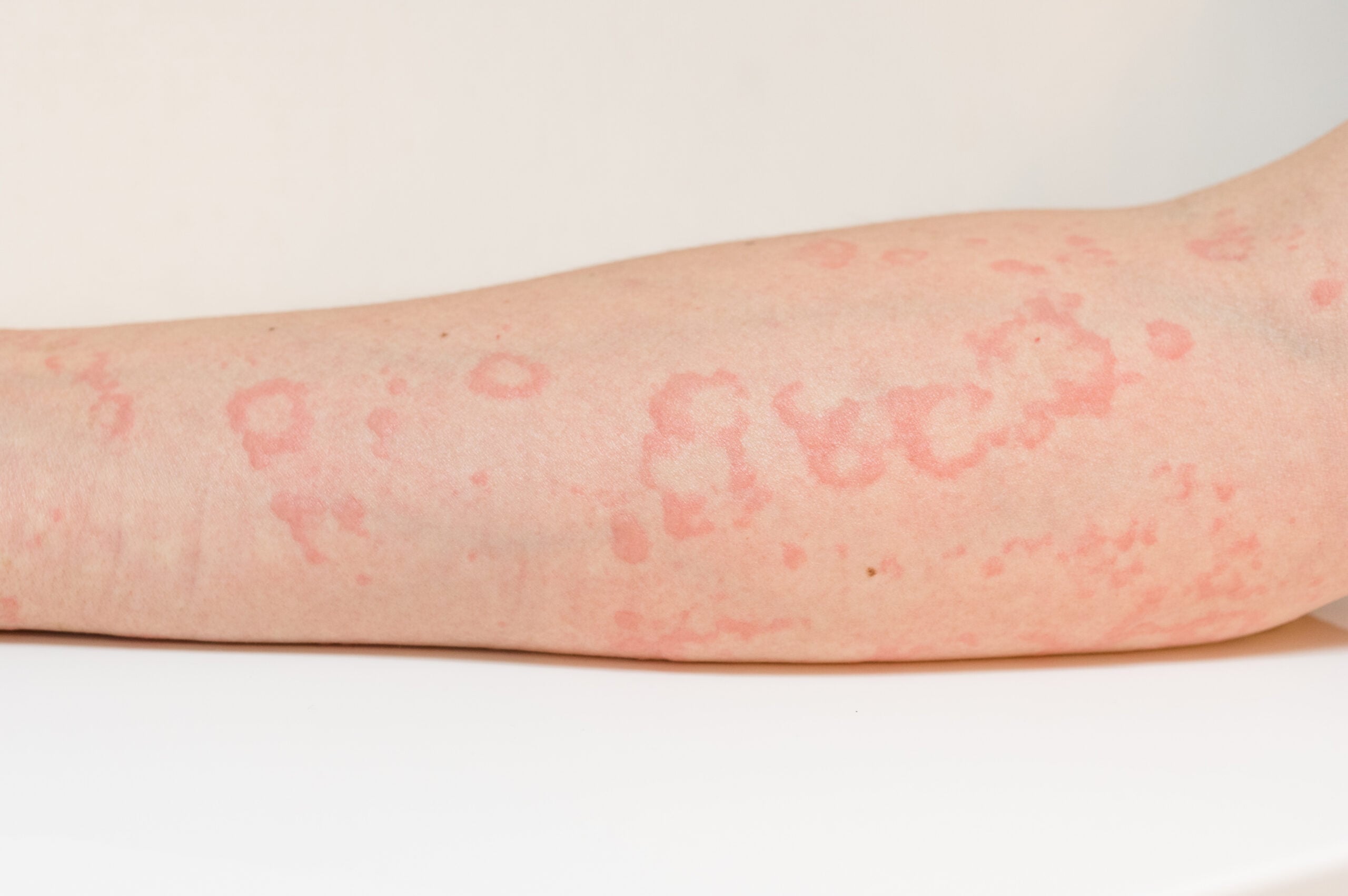
Chronic urticaria often leads to a high level of suffering, but new treatment options are on the way – a lot has happened since the publication of the current S3 guideline. Dupilumab is another biologic that has received FDA/EMA approval for CSU, but only for omalizumab-naïve patients. Remibrutinib, a small molecule, has also cleared the approval hurdles in the USA and new data is available on the biologics barzolvolimab and briquilimab. Total IgE is becoming increasingly important as a predictive biomarker for selecting the appropriate first-line systemic therapy.
Autoren
- Mirjam Peter, M.Sc.
Publikation
- DERMATOLOGIE PRAXIS

Related Topics
You May Also Like
- Global Recommendation, Swissmedic Approval, and SL Limitation
WHO Guidelines on GLP-1 for Obesity
- Obesity in Children and Adolescents
Gene-Environment Interactions: Polygenic or Monogenic Determinants?
- From Risk Identification to Anti-Inflammatory Intervention
Inflammation as a Treatment Goal in Its Own Right
- H. pylori infection: current study data
Fewer gastric carcinomas and peptic ulcers after eradication
- From symptom to diagnosis
Pneumology – tracheal and bronchial calcifications
- Tinea capitis: Current Guidelines and Recommendations
What should be kept in mind when treating adult patients?
- Geriatric patients
Micronutrient Intake in Older Adults
- Crohn's disease: focus on long-term results