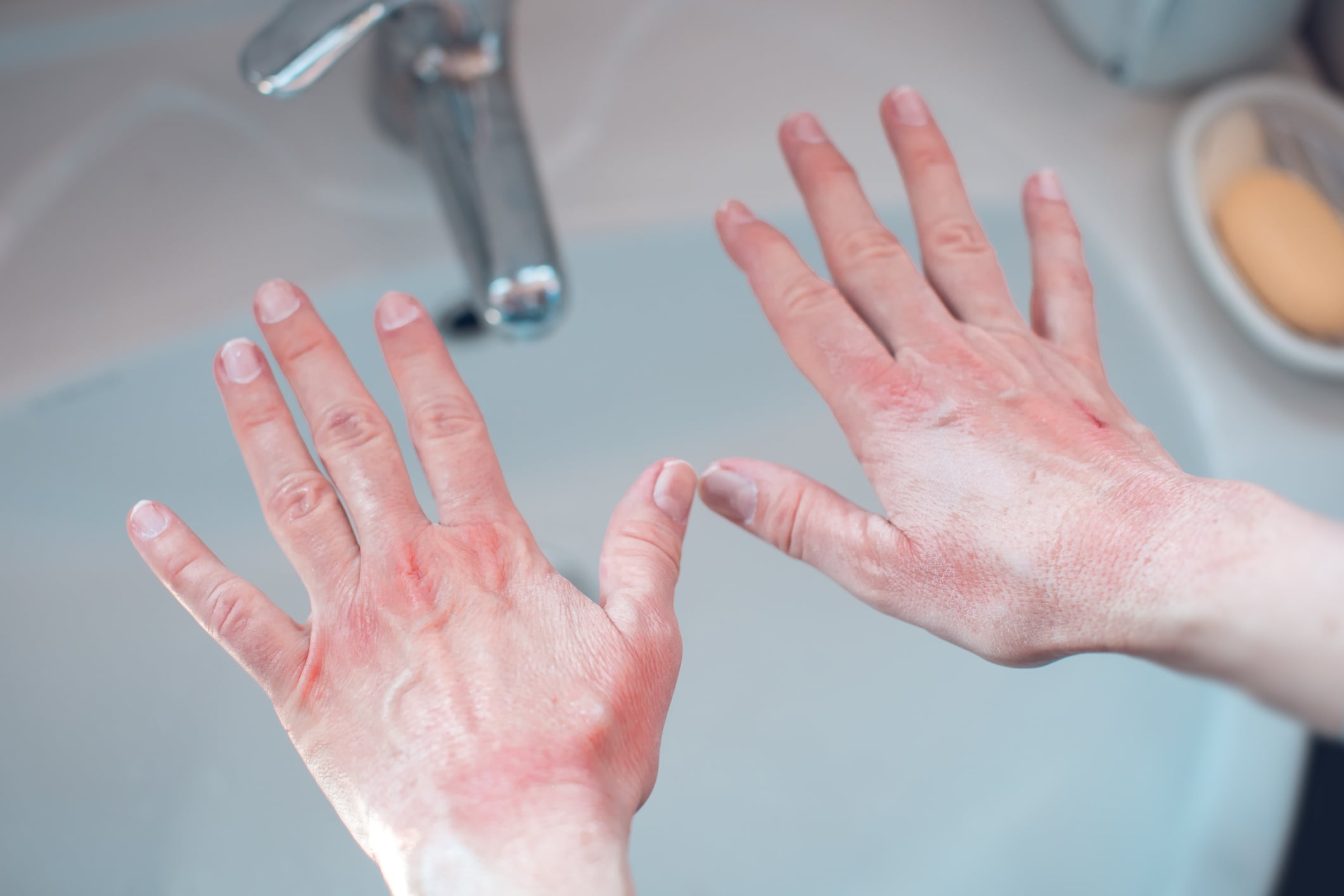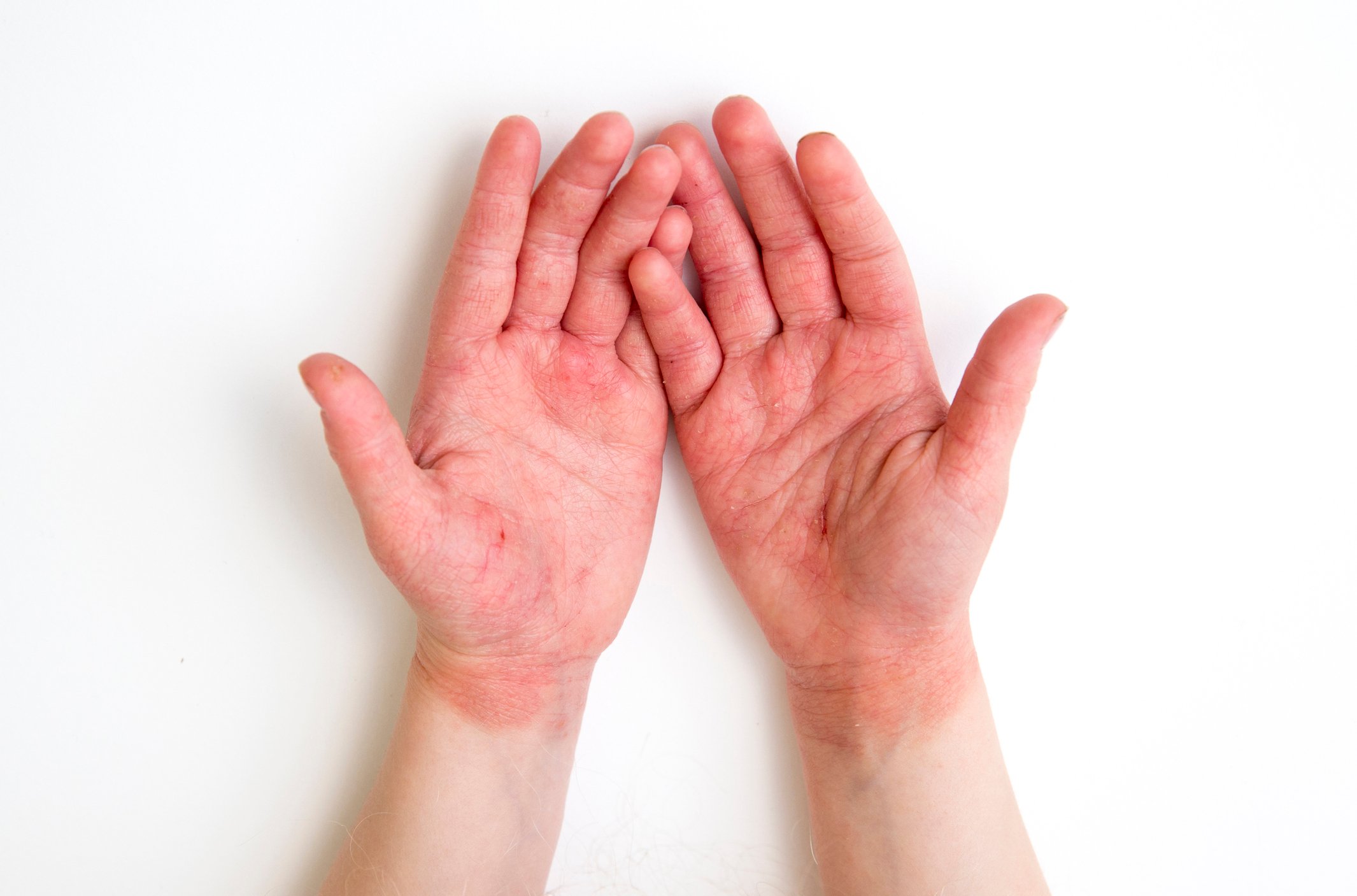
Hand eczema is caused by a complex interaction of genetics, environment and immunological dysregulation. Cumulative exposure to irritants is a major driver of occupational hand eczema. Accordingly, a medical history and diagnostic clarification are crucial for the further course of action. Treatment follows a step-by-step approach that is increasingly shifting from purely symptomatic to targeted approaches. Therapy options that target the underlying immunopathogenesis represent an effective intervention option.
Autoren
- Mirjam Peter, M.Sc.
Publikation
- DERMATOLOGIE PRAXIS

Related Topics
You May Also Like
- Liver Cancer
Artificial Intelligence in Precision Oncology—Opportunities and Challenges
- Acute nonspecific back pain
Implementing a biopsychosocial approach
- Psychedelic-assisted therapy
Current status of PAT
- Neuropathic Pain
Evidence-Based Neuromodulation Based on Clinical Trials and Real-World Data
- Fibromyalgia Syndrome
Development, Diagnosis, Epidemiology, and Treatment of a Disease Entity
- Juvenile Idiopathic Arthritis
Early Detection and Targeted Treatment in an Interdisciplinary Setting
- Innovative Oral Treatment Options for Psoriasis: Icotrokinra and Zasocitinib
First-class immunomodulation combined with convenience—the data available so far is convincing
- Chronic hand eczema: common, long-lasting, and distressing