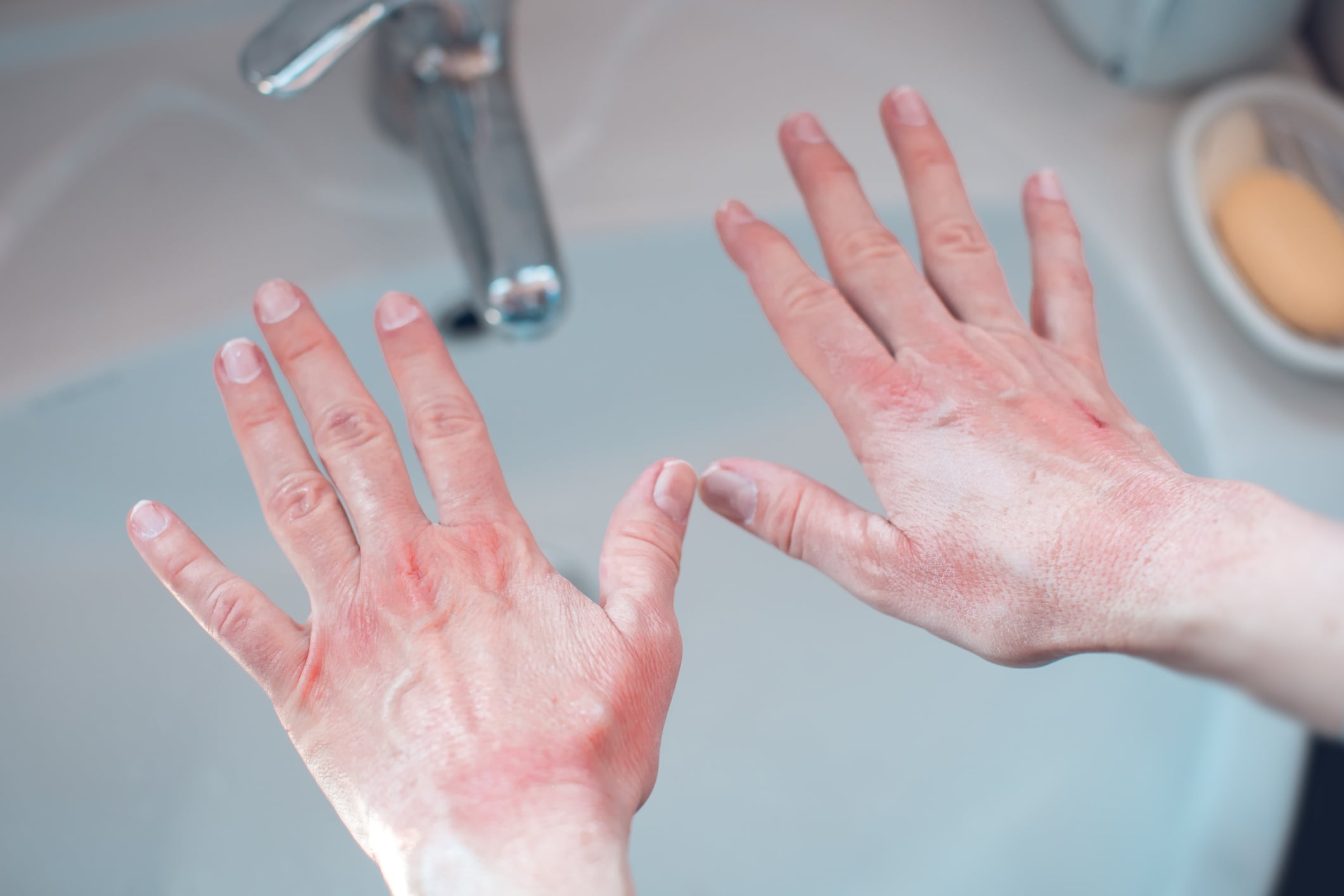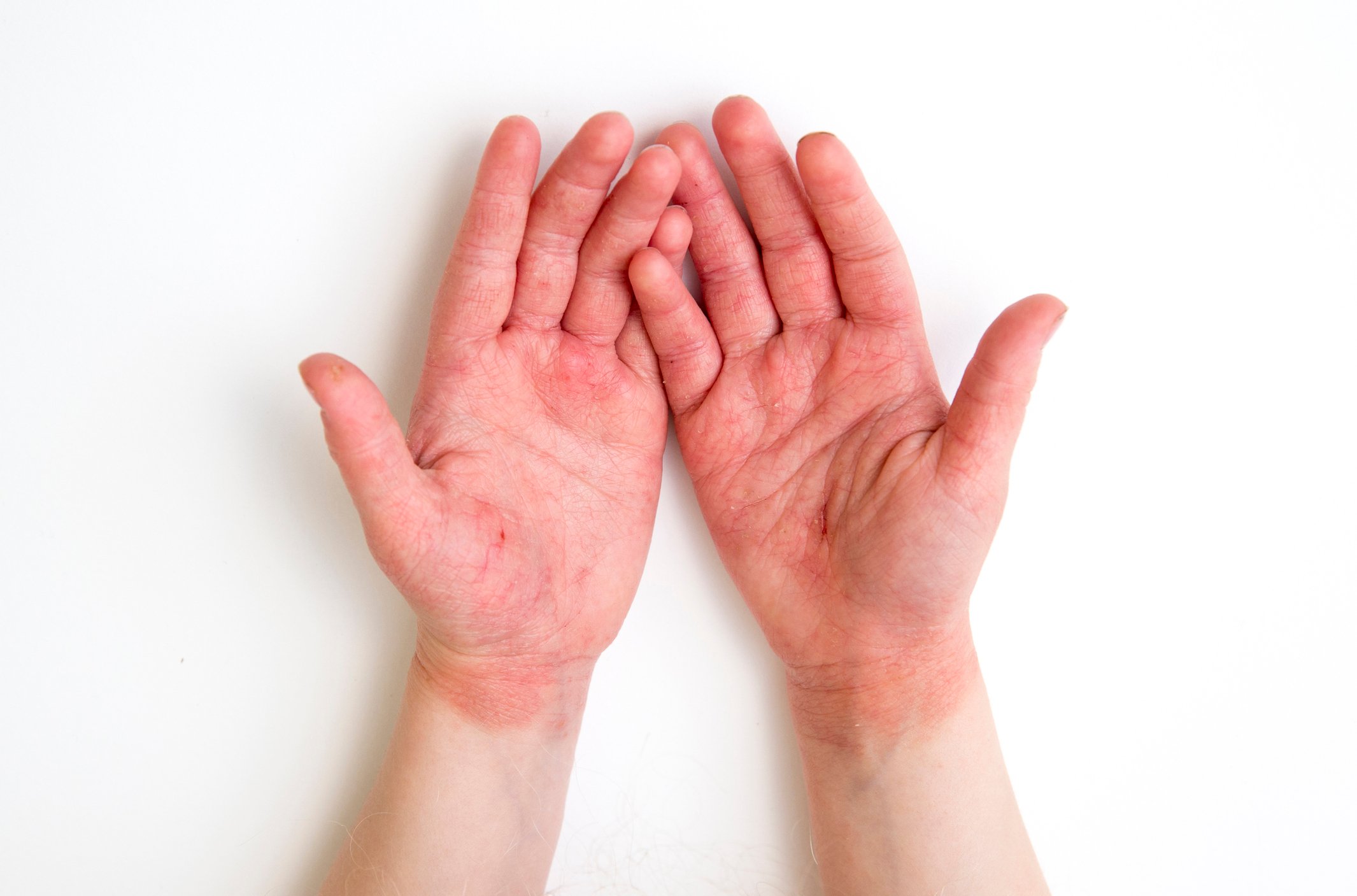
Hand eczema is caused by a complex interaction of genetics, environment and immunological dysregulation. Cumulative exposure to irritants is a major driver of occupational hand eczema. Accordingly, a medical history and diagnostic clarification are crucial for the further course of action. Treatment follows a step-by-step approach that is increasingly shifting from purely symptomatic to targeted approaches. Therapy options that target the underlying immunopathogenesis represent an effective intervention option.
Autoren
- Mirjam Peter, M.Sc.
Publikation
- DERMATOLOGIE PRAXIS

Related Topics
You May Also Like
- Bronchiolitis obliterans
Out of shape even without popcorn
- Case study
Guillain-Barré syndrome with a fulminant course
- Suspicion of neuroborreliosis?
Detection of borrelia-specific CSF parameters provides certainty
- The Brain and the Motivation to Eat
Why is it so hard to lose weight?
- Global Recommendation, Swissmedic Approval, and SL Limitation
WHO Guidelines on GLP-1 for Obesity
- Obesity in Children and Adolescents
Gene-Environment Interactions: Polygenic or Monogenic Determinants?
- From Risk Identification to Anti-Inflammatory Intervention
Inflammation as a Treatment Goal in Its Own Right
- H. pylori infection: current study data