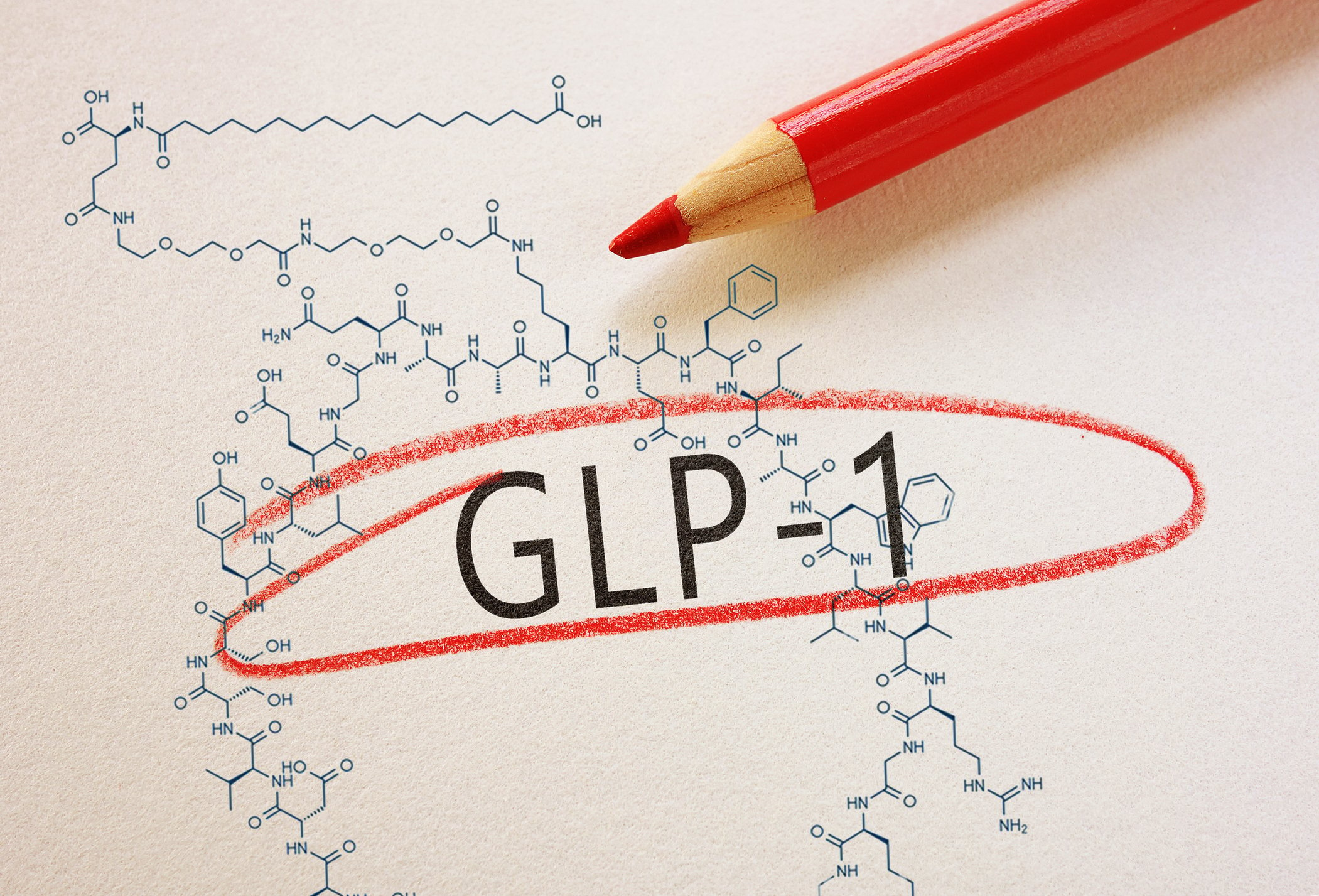
GLP1 receptor agonists are gaining increasing recognition, not only for their metabolic benefits in type 2 diabetes, but also for potential effects beyond glycemic control. New experimental evidence suggests that GLP1 signaling may influence reward pathways in the brain, suggesting the possibility that these agents may alter behaviors related to substance use.
Autoren
- Jens Dehn
Publikation
- InFo DIABETOLOGIE & ENDOKRINOLOGIE

Related Topics
You May Also Like
- Suspicion of neuroborreliosis?
Detection of borrelia-specific CSF parameters provides certainty
- The Brain and the Motivation to Eat
Why is it so hard to lose weight?
- Global Recommendation, Swissmedic Approval, and SL Limitation
WHO Guidelines on GLP-1 for Obesity
- Obesity in Children and Adolescents
Gene-Environment Interactions: Polygenic or Monogenic Determinants?
- Congenital Vascular Malformations
Personalized Treatment Before a Planned Pregnancy
- From Risk Identification to Anti-Inflammatory Intervention
Inflammation as a Treatment Goal in Its Own Right
- H. pylori infection: current study data
Fewer gastric carcinomas and peptic ulcers after eradication
- From symptom to diagnosis