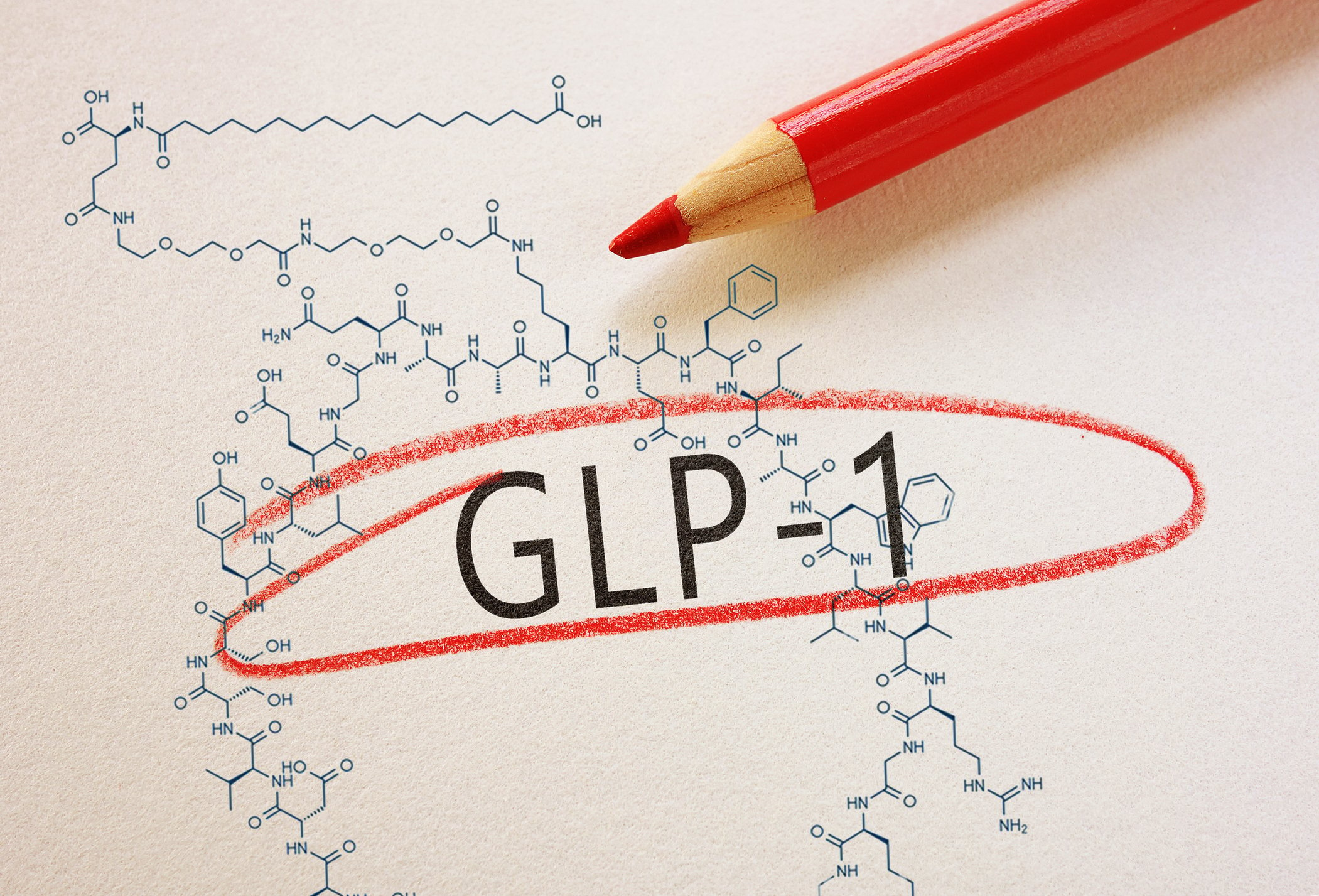
GLP1 receptor agonists are gaining increasing recognition, not only for their metabolic benefits in type 2 diabetes, but also for potential effects beyond glycemic control. New experimental evidence suggests that GLP1 signaling may influence reward pathways in the brain, suggesting the possibility that these agents may alter behaviors related to substance use.
Autoren
- Jens Dehn
Publikation
- InFo DIABETOLOGIE & ENDOKRINOLOGIE

Related Topics
You May Also Like
- GLP1 receptor agonists
Positive influence on substance use and addiction
- Sleep apnea and cardiovascular diseases
Breathless through the night
- Diagnostics, differentiation and multimodal therapy
Vulvar diseases and vulvodynia
- From symptom to diagnosis
Abdominal pain – Prostate lipoma
- Acute pulmonary embolism: new AHA/ACC guideline
Practical recommendations for risk-stratified triage
- Why lipoprotein(a) is the biggest therapeutic vacuum in cardiology
Lp(a): The underestimated risk factor before the turning point
- Modern system therapeutics for hidradenitis suppurativa
Immunological dysregulation in the sights of several biologics and “small molecules”
- Perimenopausal depression, PMDS and tokophobia