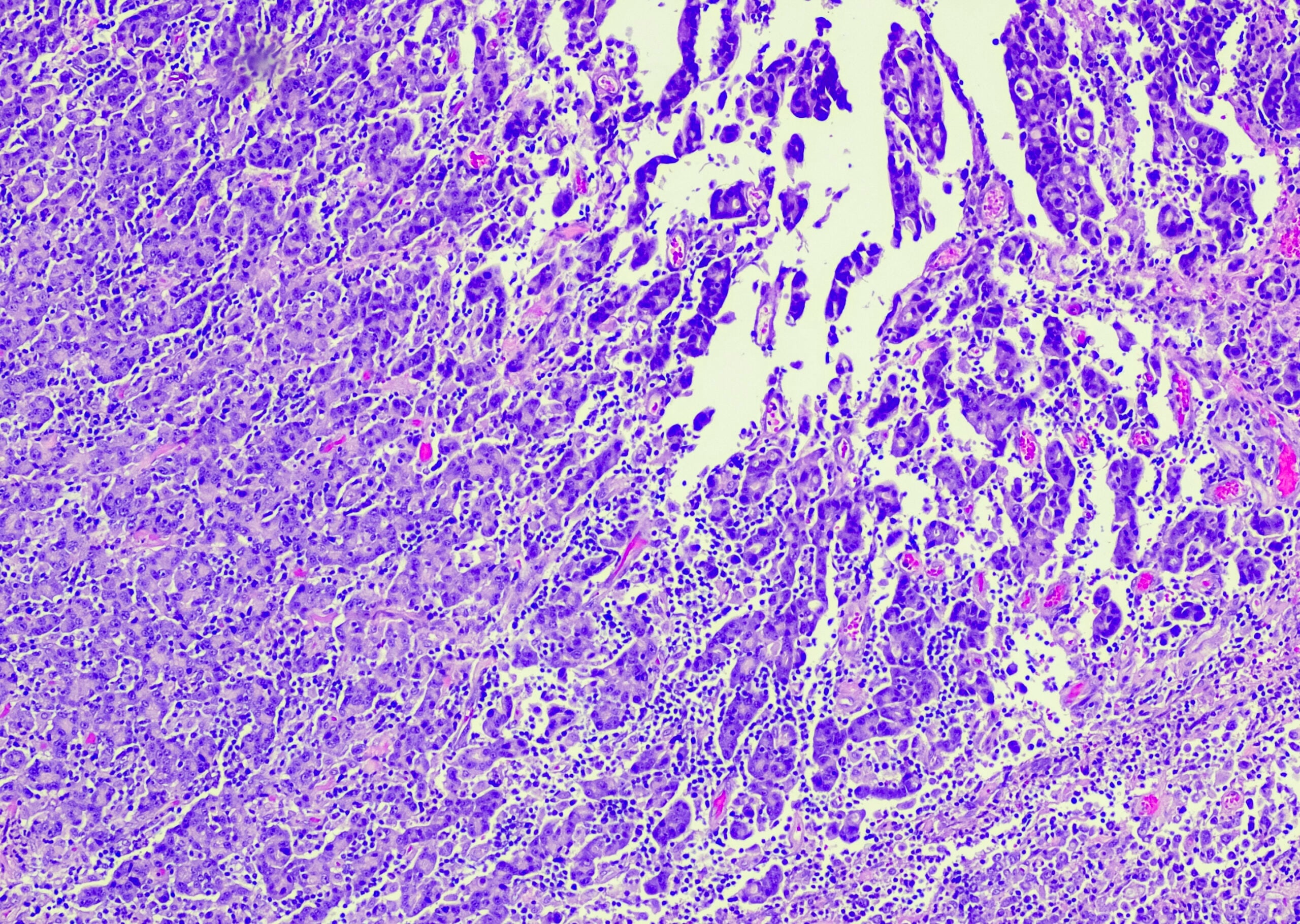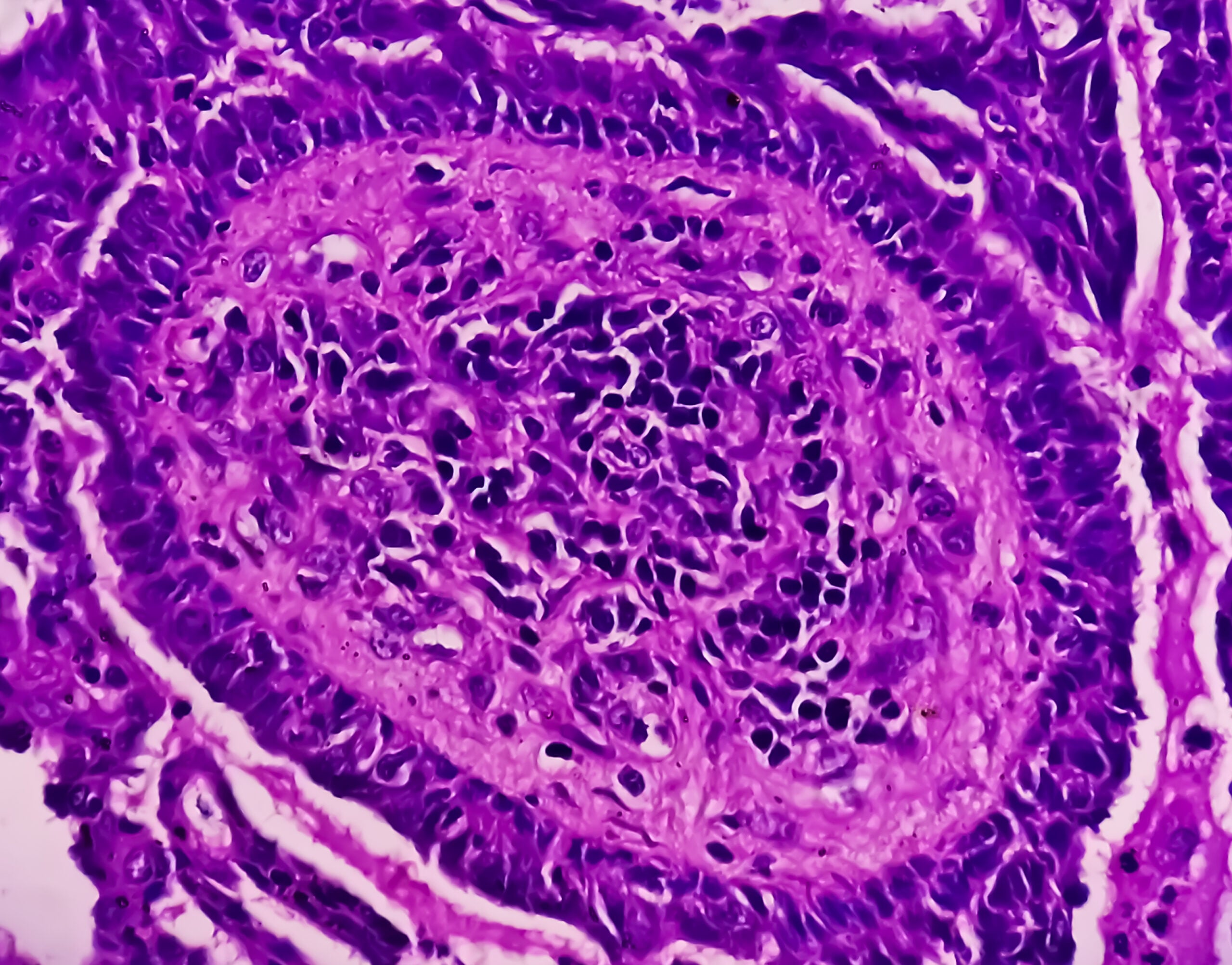
Endometrial carcinoma is increasingly becoming the focus of modern tumor immunology as an immunologically characterized tumor disease. Molecular subtypes, microbiome interactions and a highly dynamic tumor immunological microenvironment are opening up new diagnostic and therapeutic options. Advances in multi-omics analytics, immunobiology and AI-supported diagnostics are fundamentally changing care and marking the transition to precision oncology.
Autoren
- Dr. oec. Odile Schwarz-Herion
Publikation
- InFo ONKOLOGIE & HÄMATOLOGIE

Related Topics
- AI-supported diagnostics
- Checkpoint inhibitors Endometrial cancer
- Cytokine and chemokine axes
- DNA damage response
- Endometrial Cancer
- endometrial cancer
- epigenetic dysregulation
- Immune microenvironment
- Immunological tumor disease
- Immunotherapy MMRd
- M2 macrophages
- Metabolic signatures
- MMR deficient
- Molecular risk stratification
- Molecular subtypes of endometrial cancer
- Multi-omics analyses
- Neoantigen vaccines
- NSMP tumors
- p53-aberrant
- PARP inhibitors
- PI3K/AKT signaling pathways
- POLE-ultramutated
- PORTEC 4a Study
- PORTEC-3 study
- Precision Oncology
- Radiomics endometrial cancer
- Rucaparib
- Serine-glycine axis
- Swiss oncology
- therapeutic cancer vaccines
- TIME
- Tumor immunology
- Tumor-Immune-Microenvironment
You May Also Like
- IBD in childhood
Pneumococcal vaccination without negative consequences
- Seborrheic Dermatitis in Adults and Adolescents
Current State of Knowledge and New Therapeutic Approaches
- Plastic surgery and reconstructive microsurgery for DFS
Functional limb preservation between infection control, vascular medicine and resurfacing
- Orthobiologics for knee osteoarthritis
PRP and hyaluronic acid injections as building blocks in a multimodal concept
- Soft tissue sarcomas of the lower extremity
Diagnostics, subtypes and treatment options
- Psychological dependence on AI assistants, smartphones and short videos
Algorithms, avatars and the unburdened mind
- Psychooncology
Communication as the key to therapy adherence
- The Brain and the Motivation to Eat