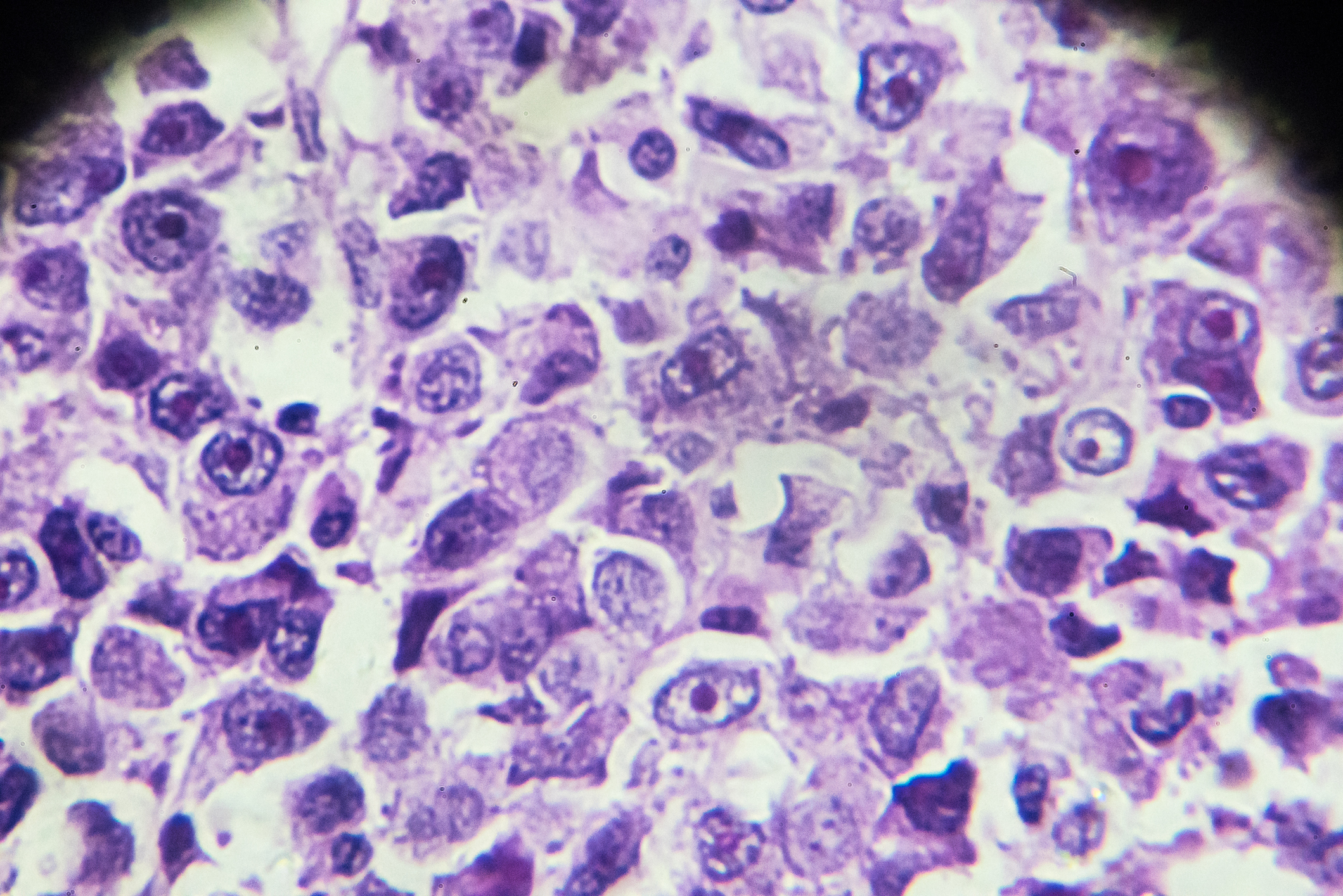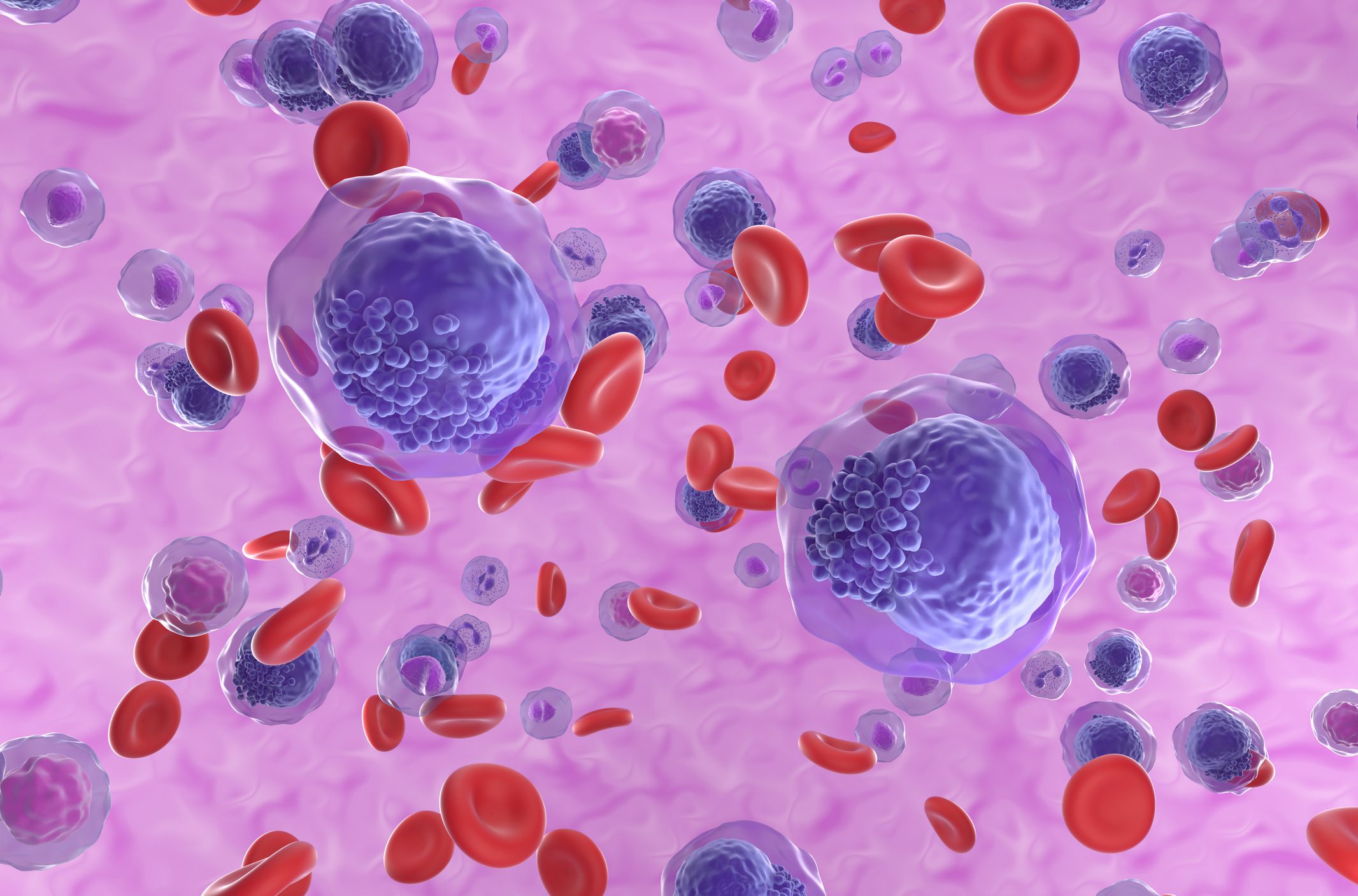
Acute myeloid leukemia (AML) remains one of the greatest challenges in hematology. Despite established chemotherapy protocols, the prognosis for many patients remains unfavorable. In recent years, however, new molecular classifications, refined risk stratification and the use of targeted substances have decisively changed treatment. The current overview summarizes the most important diagnostic, prognostic and therapeutic developments and provides oncologists with an evidence-based foundation for clinical practice in 2025.
Autoren
- Tanja Schliebe
Publikation
- InFo ONKOLOGIE & HÄMATOLOGIE

Related Topics
You May Also Like
- Neuroendocrine tumors
Precision medicine in diagnostics and therapy
- Irritable Bowel Syndrome
Functional disorder of gut-brain interaction – a biopsychosocial concept
- GLP1 receptor agonists
Positive influence on substance use and addiction
- Sleep apnea and cardiovascular diseases
Breathless through the night
- Diagnostics, differentiation and multimodal therapy
Vulvar diseases and vulvodynia
- From symptom to diagnosis
Abdominal pain – Prostate lipoma
- Acute pulmonary embolism: new AHA/ACC guideline
Practical recommendations for risk-stratified triage
- Why lipoprotein(a) is the biggest therapeutic vacuum in cardiology