Medizinonline Medizinonline
  • News
    • News
    • Market & Medicine
  • Patients
    • Disease patterns
    • Diagnostics
    • Therapy
  • Partner Content
    • Diabetes
      • Dia-Month Club – Type 2 Diabetes
      • Diabetes in Motion
    • Gastroenterology
      • IBD matters
    • Oncology
      • Swiss Oncology in motion
    • Orthopedics
      • Osteoporosis in motion
  • Departments
    • Allergology and clinical immunology
    • General Internal Medicine
    • Anesthesiology
    • Angiology
    • Surgery
    • Dermatology and venereology
    • Endocrinology and Diabetology
    • Nutrition
    • Gastroenterology and Hepatology
    • Genetics
    • Geriatrics
    • Gynecology
    • Hematology
    • Infectiology
    • Cardiology
    • Nephrology
    • Neurology
    • Emergency and intensive care medicine
    • Nuclear Medicine
    • Oncology
    • Ophthalmology
    • ORL
    • Orthopedics
    • Pediatrics
    • Pharmacology and toxicology
    • Pharmaceutical medicine
    • Phlebology
    • Physical medicine and rehabilitation
    • Pneumology
    • Prevention and health care
    • Psychiatry and psychotherapy
    • Radiology
    • Forensic Medicine
    • Rheumatology
    • Sports Medicine
    • Traumatology and trauma surgery
    • Tropical and travel medicine
    • Urology
    • Dentistry
  • CME & Congresses
    • CME continuing education
    • Congress Reports
    • Congress calendar
  • Practice
    • Noctimed
    • Practice Management
    • Jobs
    • Interviews
  • Log In
  • Register
  • My account
  • Contact
  • Publications
  • Contact
  • Deutsch
  • English
  • Français
  • Italiano
  • Português
  • Español
Subscribe
Medizinonline Medizinonline
  • News
    • News
    • Market & Medicine
  • Patienten
    • Krankheitsbilder
    • Diagnostik
    • Therapie
  • Partner Content
    • Diabetes
      • Dia-Month Club – Type 2 Diabetes
      • Diabetes in Motion
    • Gastroenterology
      • IBD matters
    • Oncology
      • Swiss Oncology in motion
    • Orthopedics
      • Osteoporosis in motion
    • Phytotherapie
    • Rheumatology
  • Departments
    • Fachbereiche 1-13
      • Allergology and clinical immunology
      • General Internal Medicine
      • Anesthesiology
      • Angiology
      • Surgery
      • Dermatology and venereology
      • Endocrinology and Diabetology
      • Nutrition
      • Gastroenterology and Hepatology
      • Genetics
      • Geriatrics
      • Gynecology
      • Hematology
    • Fachbereiche 14-26
      • Infectiology
      • Cardiology
      • Nephrology
      • Neurology
      • Emergency and intensive care medicine
      • Nuclear Medicine
      • Oncology
      • Ophthalmology
      • ORL
      • Orthopedics
      • Pediatrics
      • Pharmacology and toxicology
      • Pharmaceutical medicine
    • Fachbereiche 26-38
      • Phlebology
      • Physical medicine and rehabilitation
      • Phytotherapy
      • Pneumology
      • Prevention and health care
      • Psychiatry and psychotherapy
      • Radiology
      • Forensic Medicine
      • Rheumatology
      • Sports Medicine
      • Traumatology and trauma surgery
      • Tropical and travel medicine
      • Urology
      • Dentistry
  • CME & Congresses
    • CME continuing education
    • Congress Reports
    • Congress calendar
  • Practice
    • Noctimed
    • Practice Management
    • Jobs
    • Interviews
Login

Sie haben noch keinen Account? Registrieren

  • Radiology

Assessment of coronary arteries in children

    • Cardiology
    • Congress Reports
    • Pediatrics
    • Radiology
    • RX
  • 1 minute read

Radiologic imaging in children and adolescents must take into account their individual, age-related physical and psychological concerns. Not always easy.

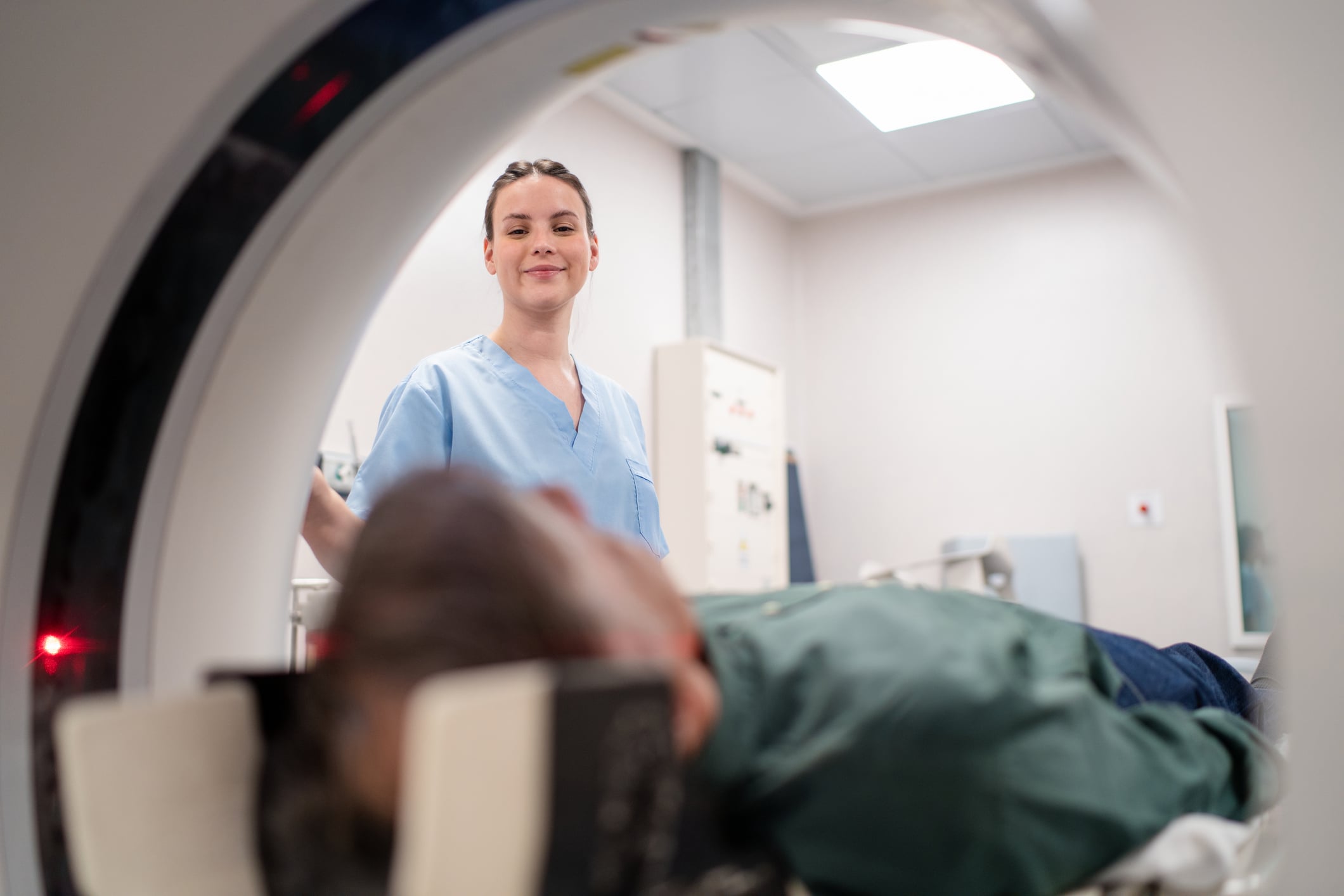
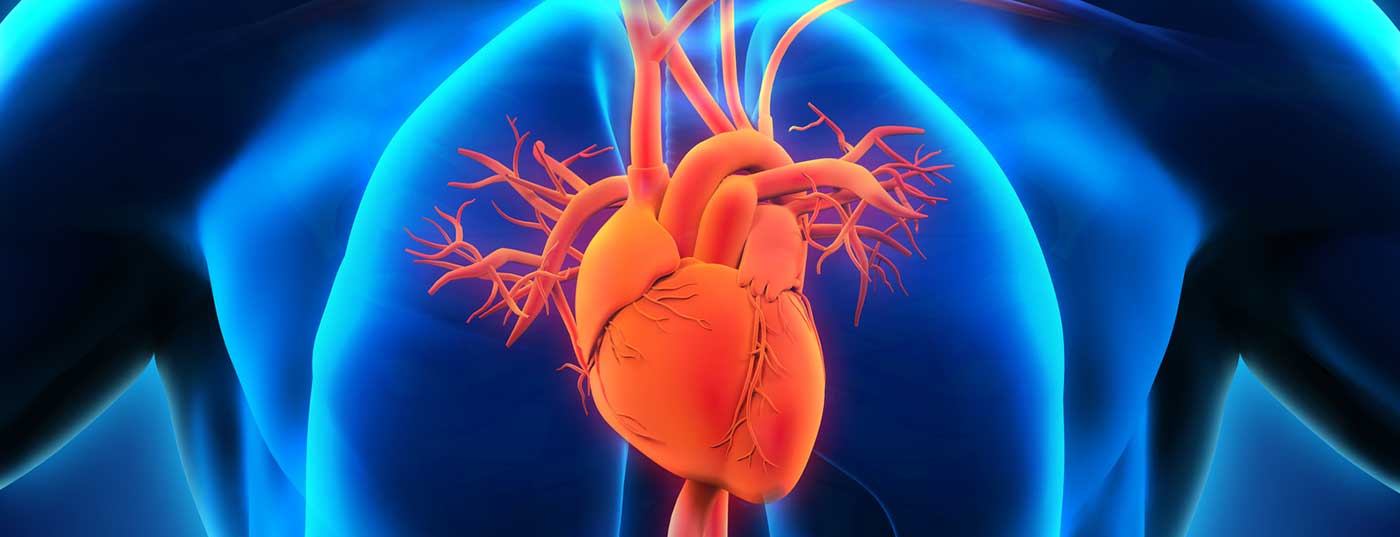
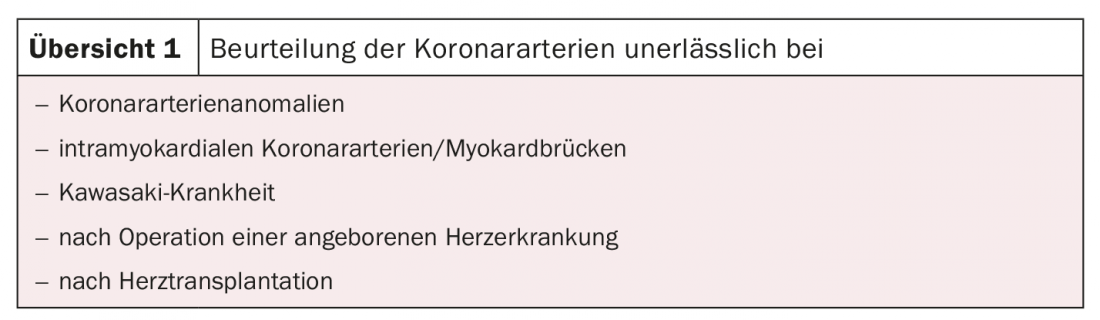
Coronary artery evaluation is essential under certain conditions (overview 1) and requires an interdisciplinary team. However, most imaging procedures require patients to lie still. Therefore, sedation is necessary for invasive procedures in children. Invasive angiography, for example, can be challenging in small coronary arteries.


Details improve risk stratification

Therefore, noninvasive imaging techniques including echocardiography, computed tomography angiography (CTA), and magnetic resonance imaging (MRI) are the most important tools for coronary artery evaluation in children. If CTA is supplemented by virtual angioscopy, for example, not only can the coronary anatomy and its course be determined, but also the spatial relationship of the coronary ostia to the aortic valve. Such details may be important for risk stratification and surgical planning.

Functional imaging

In addition, instruments assessing myocardial function and blood flow at rest and during a stressful situation can further support the clinical decision-making process. Stress magnetic resonance imaging (stress MRI) with various agents such as adenosine, dipyridamole, regadenoson, and dobutamine can be safely performed in children with congenital heart disease. Especially in children with an abnormal origin of a coronary artery, it is reliable for the assessment of myocardial perfusion.

Source: 68th American Congress of Cardiology (ACC), March 16-18, 2019, New Orleans (USA).


CARDIOVASC 2019; 18(2): 32

Autoren
  • Leoni Burggraf
Publikation
  • CARDIOVASC
Related Topics
  • Coronary arteries
  • Pediatric Radiology
  • radiological imaging
Previous Article
  • Hypertension Management

Do not disregard blood pressure in acute apoplexy

  • Cardiology
  • Congress Reports
  • RX
View Post
Next Article
  • Autoimmune diseases of the skin

News on the therapy of bullous autoimmune dermatoses

  • Allergology and clinical immunology
  • Dermatology and venereology
  • Education
  • Nutrition
  • RX
View Post
You May Also Like
View Post
  • 7 min
  • Psychosis in Parkinson's Disease

Be Careful When Choosing Medications

    • RX
    • Education
    • Geriatrics
    • Neurology
    • Pharmacology and toxicology
    • Psychiatry and psychotherapy
    • Studies
View Post
  • 3 min
  • Esophageal Cancer

A Comparison of Endoscopic and Surgical Innovations

    • RX
    • Education
    • Oncology
    • ORL
    • Studies
View Post
  • 6 min
  • PMR and LVV: Current EULAR Recommendations

Polymyalgia rheumatica, giant cell arteritis, and Takayasu arteritis

    • RX
    • Angiology
    • Congress Reports
    • General Internal Medicine
    • Rheumatology
    • Studies
View Post
  • 9 min
  • Psychedelic-assisted therapy

Current status of PAT

    • RX
    • CME continuing education
    • General Internal Medicine
    • Pharmacology and toxicology
    • Psychiatry and psychotherapy
    • Studies
View Post
  • 3 min
  • First-line treatment for T2D

SGLT2i, metformin, or both?

    • RX
    • Education
    • Endocrinology and Diabetology
    • Studies
View Post
  • 4 min
  • Biophilic Design of Work Environments

Effects on Health, Well-Being, and Productivity

    • RX
    • General Internal Medicine
    • Practice Management
    • Prevention and health care
    • Studies
View Post
  • 4 min
  • From symptom to diagnosis

Intrapelvic mass with an ambiguous differential diagnosis

    • RX
    • Cases
    • Education
    • Gynecology
    • Oncology
    • Radiology
    • Surgery
View Post
  • 5 min
  • Endocrinology: APECED-Associated Hypoparathyroidism

A parathyroid hormone analog corrected serum calcium levels

    • RX
    • Cases
    • Education
    • Endocrinology and Diabetology
    • Genetics
    • Nephrology
    • Studies
  • IBD matters

    Zum Thema
Top CME content
  • 1
    Endometrial carcinoma
  • 2
    Clinical Presentation, Diagnosis, and Treatment of DSPN
  • 3
    Why is it so hard to lose weight?
  • 4
    Four-Legged Medical Assistants – Therapy Dogs in Clinical Settings
  • 5
    Functional limb preservation between infection control, vascular medicine and resurfacing

Newsletter

Sign up and stay up to date

Subscribe
Medizinonline Medizinonline
  • Contact
  • General terms and conditions
  • Imprint

Input your search keywords and press Enter.