This content is machine translated From statins to metformin Preventive pharmacology and longevity In medicine, “longevity” is now less anti-ageing marketing than a very specific question of precision prevention: which pharmacological interventions prevent (or delay) cardiometabolic, renal, oncological and functional endpoints – and...…
View Post 4 min This content is machine translated HIV: updated EACS guideline Individualized approach to sustainable prevention and care The revised guidelines were presented by the EACS (The European AIDS Clinical Society) last fall and reflect the efforts to adapt the recommendations to current clinical realities and the changing...…
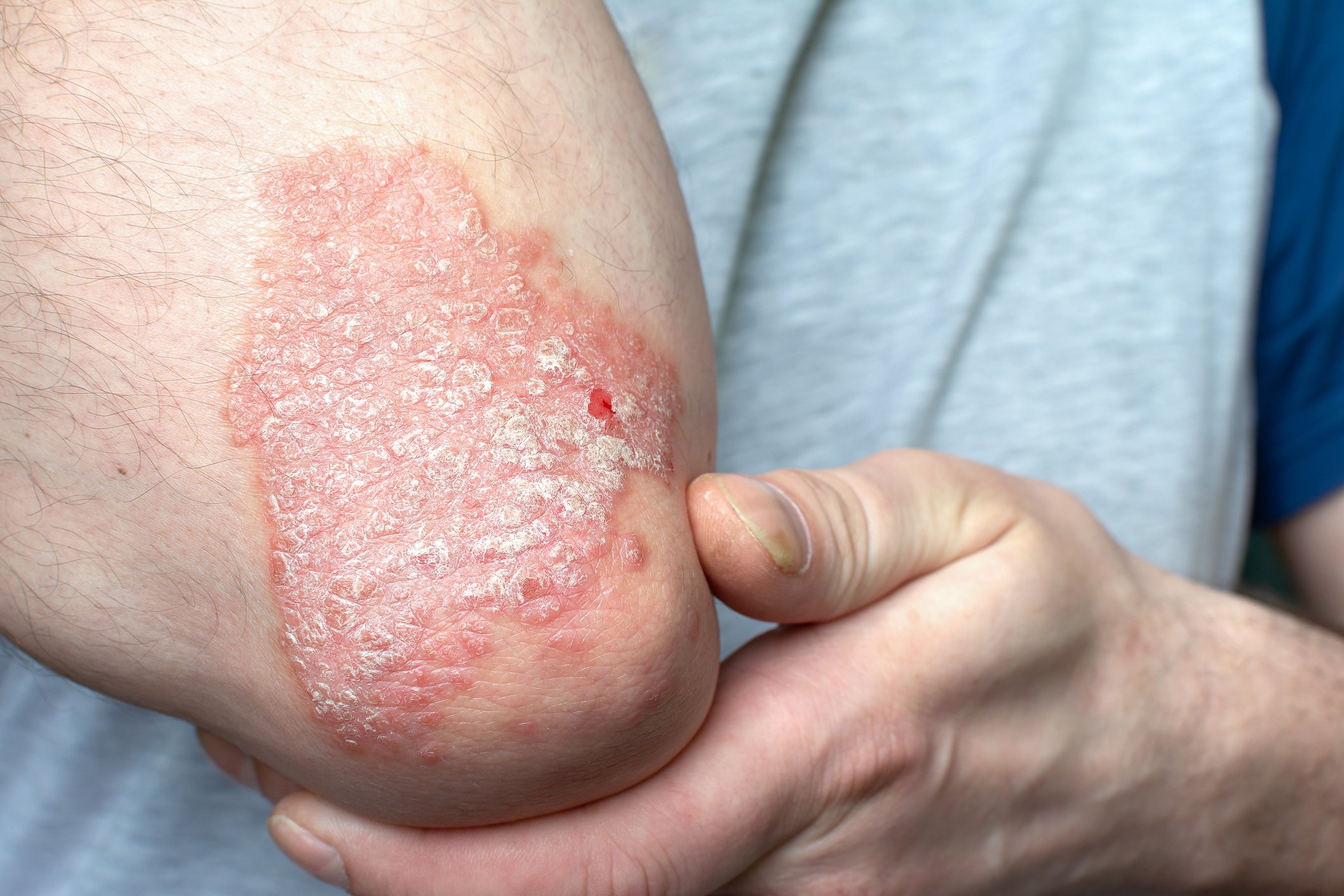
View Post 4 min This content is machine translated Psoriasis and metabolic comorbidities: new study data GLP-1RAs showed a valuable dual benefit GLP-1RAs, including semaglutide and liraglutide, are frequently used today for the treatment of type 2 diabetes and obesity. A recent study investigated whether and how overweight and/or diabetic psoriasis patients...…
View Post 5 min This content is machine translated Heart failure: combination of four as "Guideline-Directed Medical Therapy" Standard established at HFrEF with individual nuances The modern treatment of heart failure is characterized by early intervention, multidimensional care and extended therapy options. Around half of all heart failure patients have a reduced left ventricular ejection...…
View Post 3 min This content is machine translated Case report: Hiccups after ketoacidosis Nebulized lidocaine brings relief Persistent hiccups are a rare but distressing symptom that can significantly affect the quality of life of patients with diabetic ketoacidosis (DKA). In one clinical case, treatment with inhaled nebulized...…
View Post 7 min This content is machine translated A case-based, practical overview from Canada Vaccinations for heart patients Patients with cardiovascular disease (CVD) are more likely to suffer severe courses of vaccine-preventable infections – and more cardiac complications such as ACS, heart failure decompensation, arrhythmias or strokes. This...…
View Post 7 min This content is machine translated Arterial elasticity, vascular ageing, endothelial function Longevity and cardiovascular health 2025 Vascular ageing is not a purely “biological” concept, but can be measured clinically – via arterial stiffness (e.g. PWV), endothelial function (e.g. FMD) and the resulting risk profiles. In parallel...…
View Post 5 min This content is machine translated AI-supported risk stratification for chest pain in the emergency room Performance of a fully automated ECG model Despite guidelines, the standardized assessment of chest pain in the emergency department remains inconsistent, expensive and prone to misinterpretation. A retrospective two-center study approach published in Open Heart now presents...…
View Post 6 min This content is machine translated Cardiovascular risk Bad news for young men with T2D Cardiovascular disease ( CVD) remains the leading cause of death and disease worldwide, and people with type 1 or type 2 diabetes are at higher risk than the general population....…
View Post 5 min This content is machine translated Underestimated risk - findings from a US cohort Heart failure after myocardial infarction Acute myocardial infarction is now considered more treatable than ever. However, despite optimized reperfusion, modern pharmacotherapies and improved care systems, one risk remains that is underestimated in many clinical procedures:...…
View Post 20 min This content is machine translated AI in neurology Control instead of a flood of data: AI makes big data and wearables usable Artificial intelligence has become a key technology in medicine, including in complex neurology. Modern methods such as machine learning and deep learning in combination with data and wearables (wearable sensor...… CME-Test