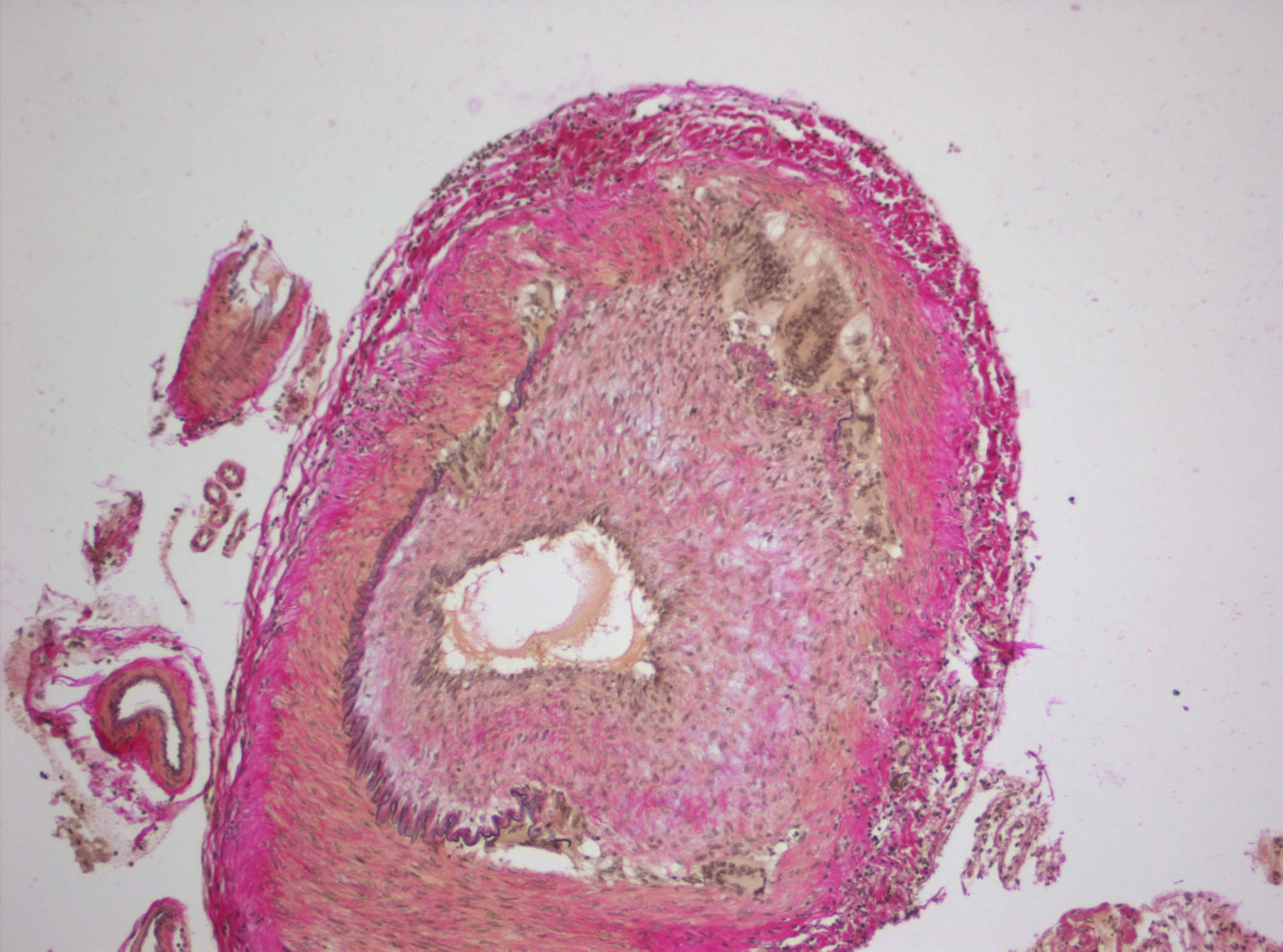
Vascular ageing is not a purely “biological” concept, but can be measured clinically – via arterial stiffness (e.g. PWV), endothelial function (e.g. FMD) and the resulting risk profiles. In parallel to established prevention (blood pressure, lipids, smoking, exercise), two dynamic development strands are emerging: increasingly potent and longer-acting lipid-lowering drugs through to Lp(a) targeting (outcomes partly still pending), and geroprotective signaling pathway interventions (mTOR modulation), for which relevant human pilot data on endothelial function were also published in 2024/2025.
Autoren
- Tanja Schliebe
Publikation
- Longevity-Special

You May Also Like
- Why lipoprotein(a) is the biggest therapeutic vacuum in cardiology
Lp(a): The underestimated risk factor before the turning point
- Modern system therapeutics for hidradenitis suppurativa
Immunological dysregulation in the sights of several biologics and “small molecules”
- Perimenopausal depression, PMDS and tokophobia
Psychosomatics and mental health in gynecology
- Proteins in wound healing
Do special amino acids lead to success?
- Plastic surgery and reconstructive microsurgery for DFS
Functional limb preservation between infection control, vascular medicine and resurfacing
- Polycystic ovary syndrome 2025/2026
New pathophysiology, updated diagnostics and the age of incretin mimetics
- Heart failure and type 2 diabetes
Oral semaglutide and cardiac decompensation in type 2 diabetes
- Atopic dermatitis as a door opener for an atopic cascade?