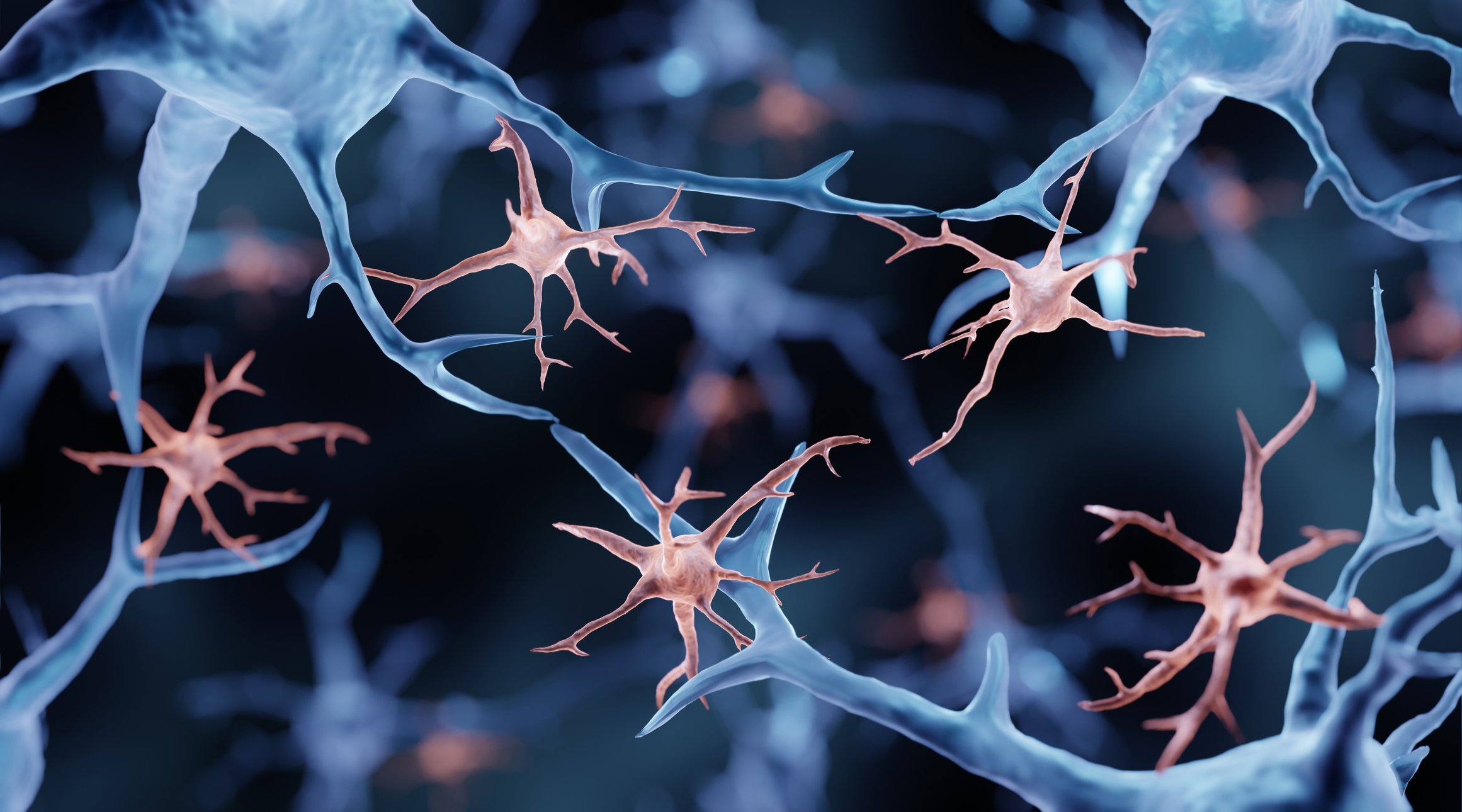
This content is machine translated Chronically active MS lesions New paradigm in the diagnosis and treatment of multiple sclerosis Focal chronic active lesions (CALs) play a key role in the increase in MS disability, which is due to smoldering neuroinflammation in the central nervous system. This inflammation, often behind...…
View Post 3 min This content is machine translated Sleep disorder Sleep medicine in transition: new goals and a reassessment of old hypnotics Sleep and circadian rhythm disorders (SCRDs) often occur as early comorbidities in neurodegenerative diseases such as Alzheimer’s disease (AD) and Parkinson’s disease (PD), often decades before typical symptoms appear. Sleep...…
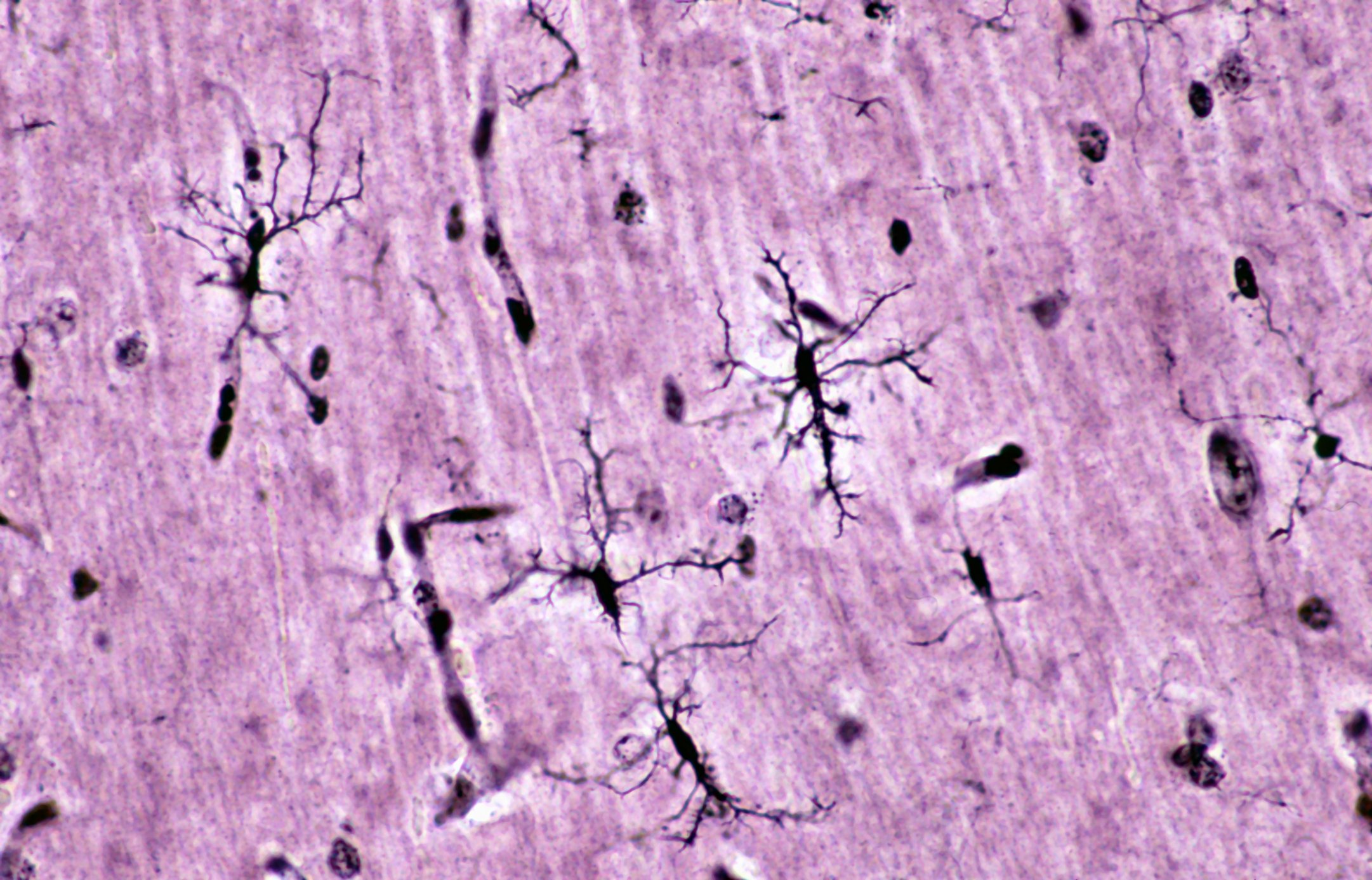
View Post 3 min This content is machine translated Ginkgo biloba extract in the Alzheimer's mouse model Effects on disease-associated microglia subpopulations During the progression of Alzheimer’s disease, microglial cells located in the vicinity of plaques become overactivated and release cytotoxic mediators such as TNFα. In an animal study published in 2025,...…
View Post 4 min This content is machine translated Epilepsy Cannabidiol for refractory epilepsy syndromes The pharmaceutical formulation of high-purity cannabidiol is approved for the treatment of seizures associated with Lennox-Gastaut syndrome, Dravet syndrome and tuberous sclerosis complex. Despite many years of clinical experience, there...…
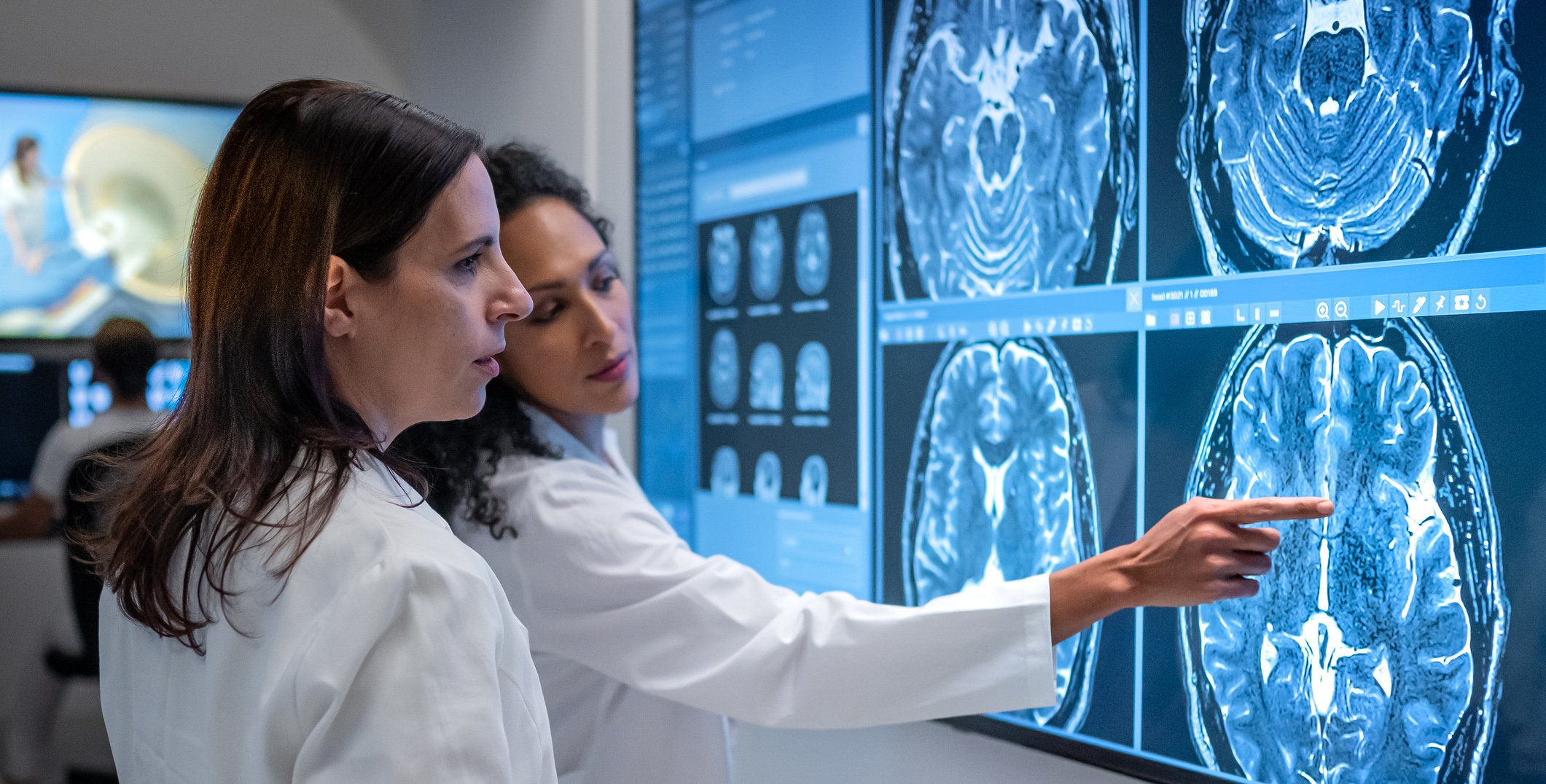
View Post 3 min This content is machine translated Brain atrophy and MS Brain atrophy correlates with disability progression in MS Brain atrophy in MS patients, particularly in the thalamus, correlates strongly with long-term physical disability and cognitive deficits. A long-term analysis of the phase 3 studies RADIANCE/SUNBEAM and the open-label...…
View Post 4 min This content is machine translated Friedreich's ataxia Loss of orientation in the cerebellum Spinocerebellar ataxias represent a large group of rare, progressive neurodegenerative diseases that affect the cerebellum and its connections and predominantly manifest themselves in a cerebellar syndrome. In addition to progressive...…
View Post 4 min This content is machine translated Multiple sclerosis Vitamin D as an adjuvant in multiple sclerosis: statistical success and clinical limitations Various risk factors are involved in the pathogenesis of multiple sclerosis, with vitamin D deficiency being associated with an increased risk of MS since the 1970s. Disease-modifying therapies aim to...…
View Post 3 min This content is machine translated Multiple sclerosis Spirulina as adjuvant therapy? Reduction of cytokines and inflammation Disease-modifying therapies reduce relapse rates in multiple sclerosis. However, they often only incompletely address the aspects of oxidative stress and long-term neurodegeneration. Spirulina, a microalgae, is known for its strong...…
View Post 12 min This content is machine translated HER2-positive breast cancer ENPP1 as a biomarker for poor prognosis and early detection of brain metastases Around 15-20% of all breast cancer cases are HER2-positive, which is a subtype with an aggressive course and an increased tendency to metastasize to the brain. A new study now...…
View Post 6 min This content is machine translated Chronic insomnia in adults: Guideline recommendations CBT-i as first choice – pharmacotherapy as secondary intervention Sleep disorders are often associated with pronounced daytime sleepiness, difficulty concentrating and increased feelings of stress. Diagnosis is generally based on the clinical history; if necessary, an actigraphy or polysomnigraphy...…
View Post 5 min This content is machine translated Multiple sclerosis Multiple sclerosis 2025: New strategies against progression and the role of microglia The treatment of multiple sclerosis has made enormous progress thanks to highly effective disease-modifying therapies, in particular anti-CD20 antibodies. For most newly diagnosed patients, a life without disability is realistic....…