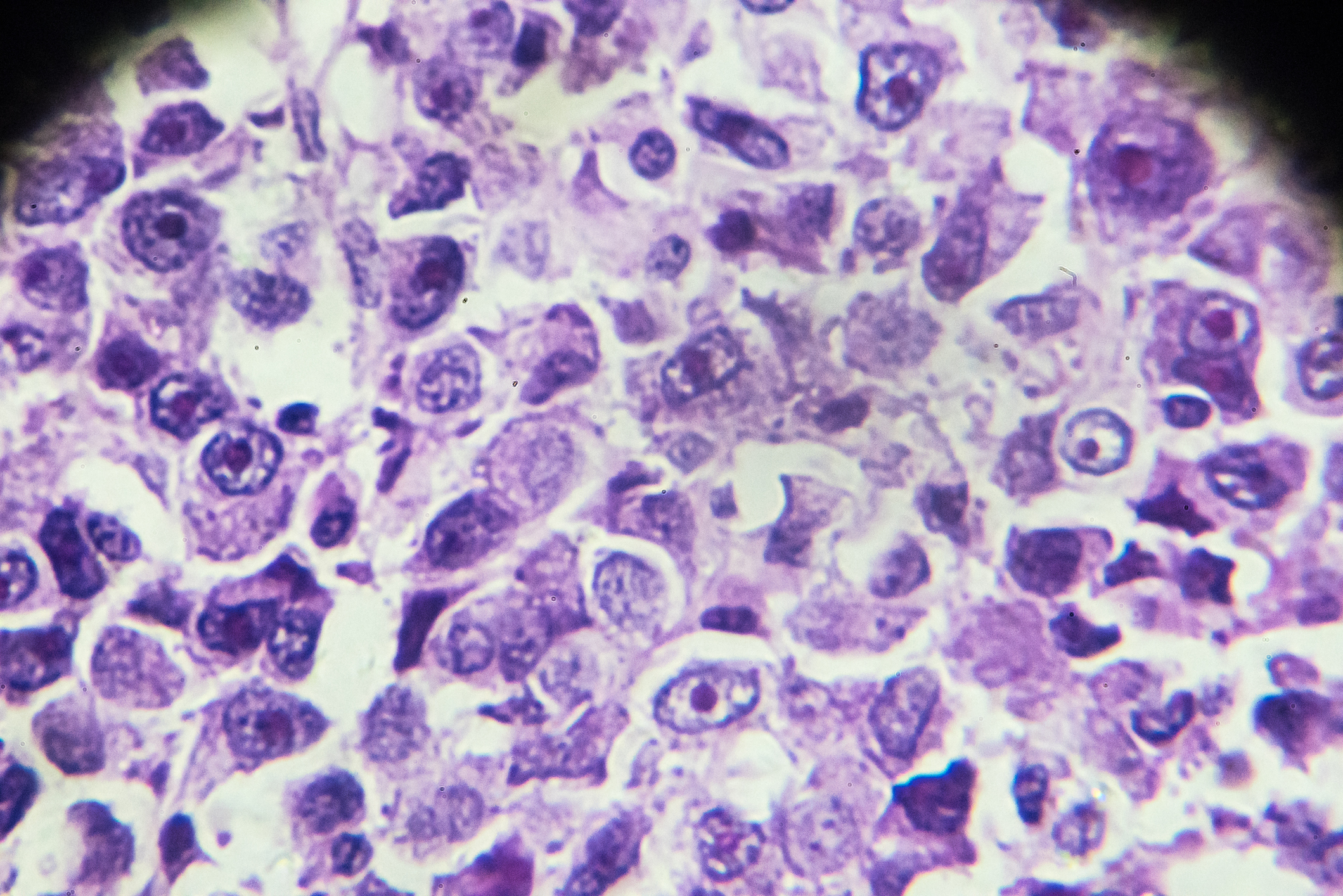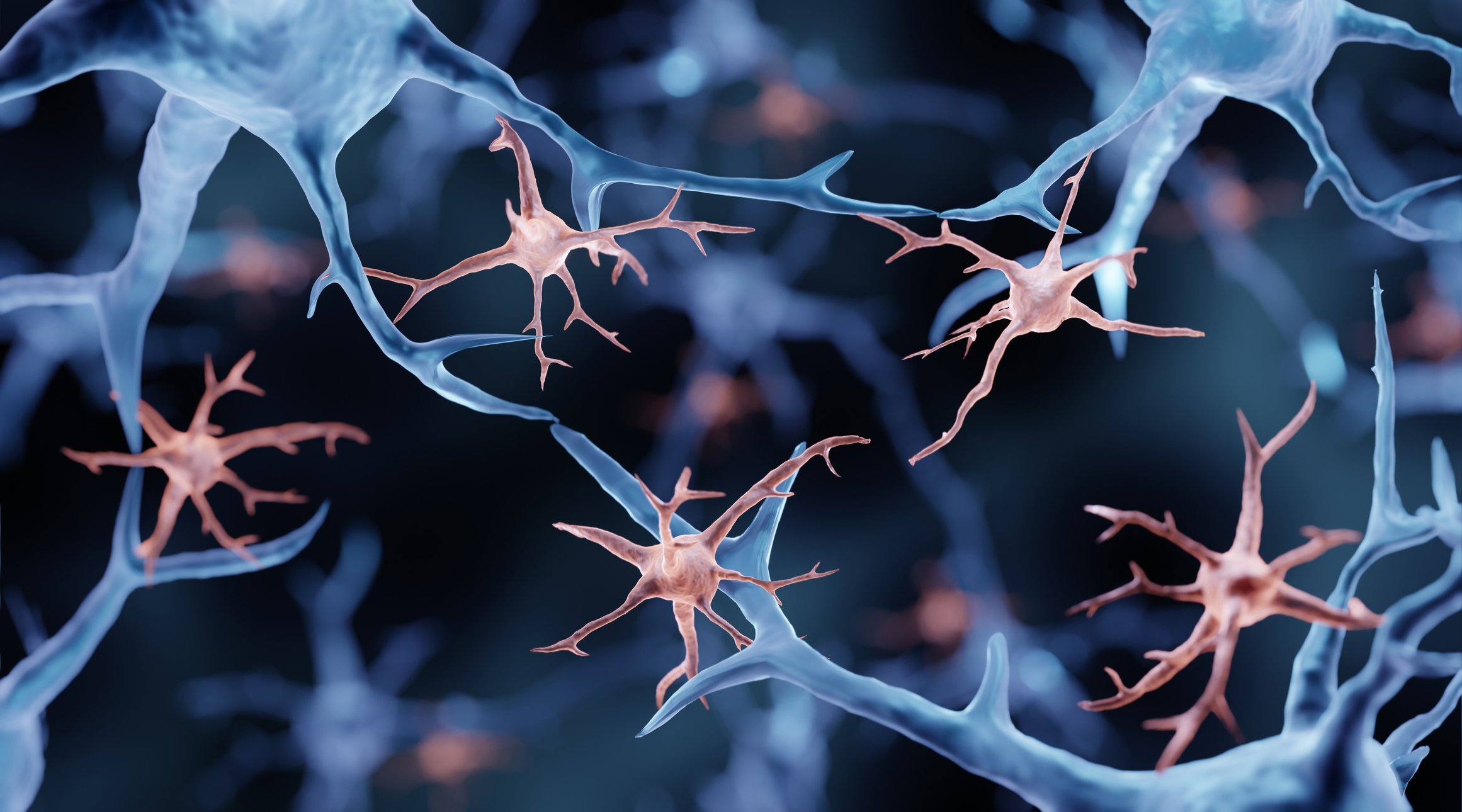
The treatment of multiple sclerosis has made enormous progress thanks to highly effective disease-modifying therapies, in particular anti-CD20 antibodies. For most newly diagnosed patients, a life without disability is realistic. However, the focus is now shifting from preventing acute relapses to combating the insidious progression of disability. New approaches target cellular mechanisms in the CNS and the promotion of remyelination.
Autoren
- Dr. Ulf Blanke
Publikation
- InFo NEUROLOGIE & PSYCHIATRIE

You May Also Like
- Why lipoprotein(a) is the biggest therapeutic vacuum in cardiology
Lp(a): The underestimated risk factor before the turning point
- Modern system therapeutics for hidradenitis suppurativa
Immunological dysregulation in the sights of several biologics and “small molecules”
- Perimenopausal depression, PMDS and tokophobia
Psychosomatics and mental health in gynecology
- Proteins in wound healing
Do special amino acids lead to success?
- Plastic surgery and reconstructive microsurgery for DFS
Functional limb preservation between infection control, vascular medicine and resurfacing
- Polycystic ovary syndrome 2025/2026
New pathophysiology, updated diagnostics and the age of incretin mimetics
- Heart failure and type 2 diabetes
Oral semaglutide and cardiac decompensation in type 2 diabetes
- Atopic dermatitis as a door opener for an atopic cascade?