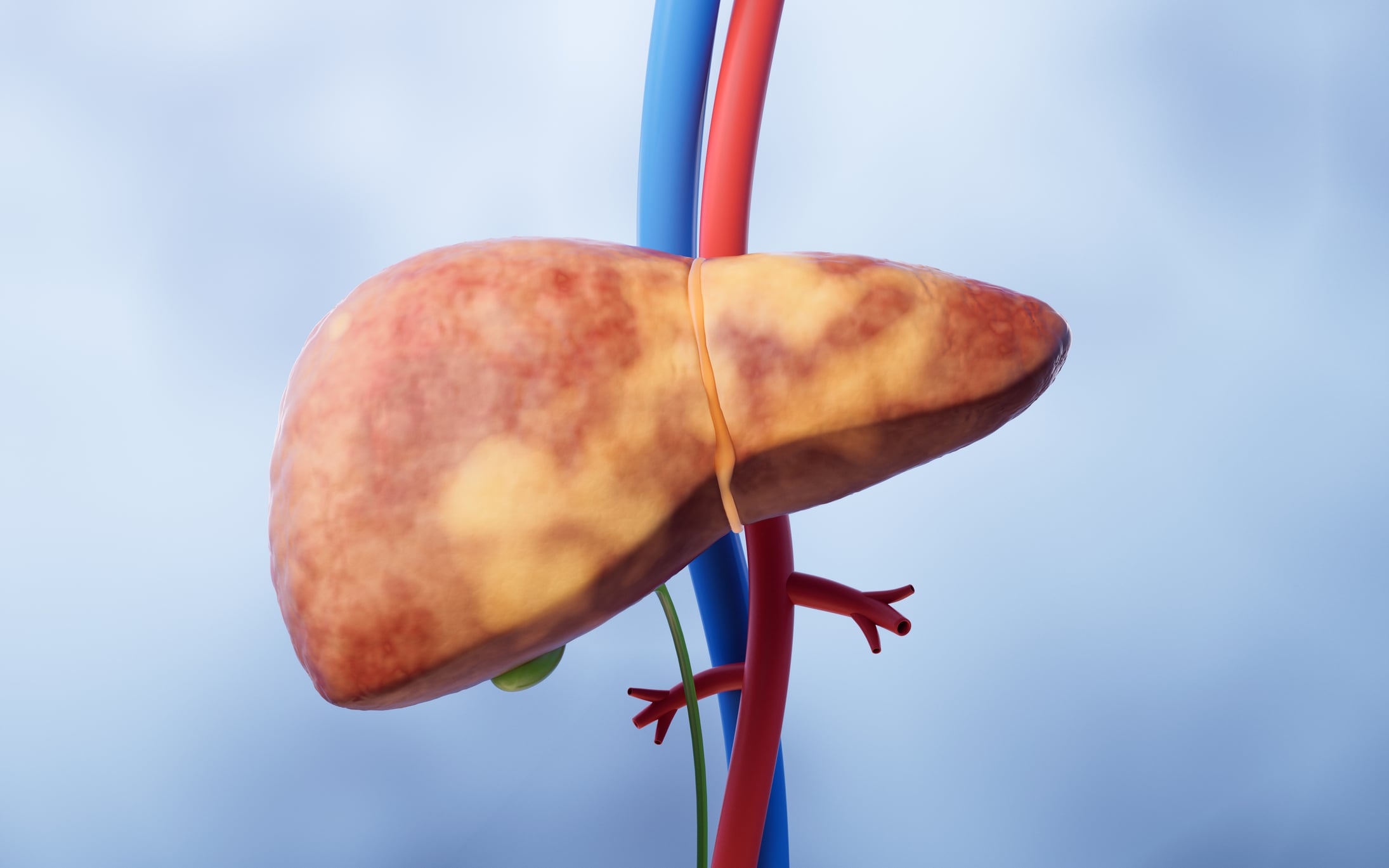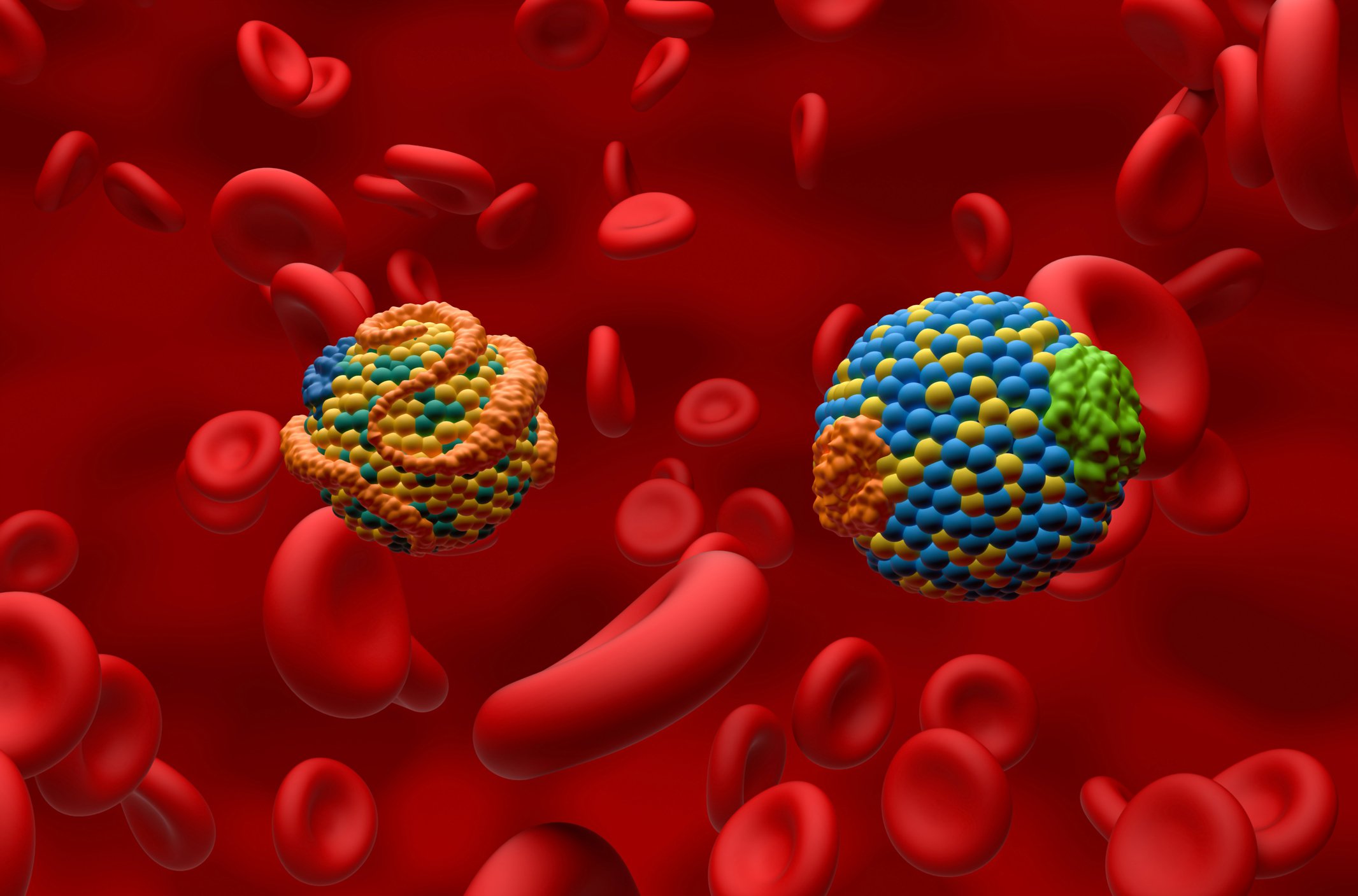
One in five people worldwide has a genetically elevated lipoprotein(a) – and knows nothing about it. Unlike LDL cholesterol, this independent, causally significant risk factor cannot be significantly influenced by diet, exercise or statins. This therapeutic gap has existed for decades. Now we are close to the turning point: RNA-based drugs reduce Lp(a) by up to 95%, and the first cardiac outcomes study, Lp(a)HORIZON, expects its results in the first half of 2026. The Focused Update of the ESC/EAS dyslipidemia guidelines published in 2025 anchors Lp(a) as a mandatory screening target for all adults for the first time.
You May Also Like
- Bronchiectasis
New strategies against neutrophilic inflammation
- IBD in childhood
Pneumococcal vaccination without negative consequences
- Plastic surgery and reconstructive microsurgery for DFS
Functional limb preservation between infection control, vascular medicine and resurfacing
- Seborrheic Dermatitis in Adults and Adolescents
Current State of Knowledge and New Therapeutic Approaches
- Orthobiologics for knee osteoarthritis
PRP and hyaluronic acid injections as building blocks in a multimodal concept
- Soft tissue sarcomas of the lower extremity
Diagnostics, subtypes and treatment options
- Psychological dependence on AI assistants, smartphones and short videos
Algorithms, avatars and the unburdened mind
- The Brain and the Motivation to Eat