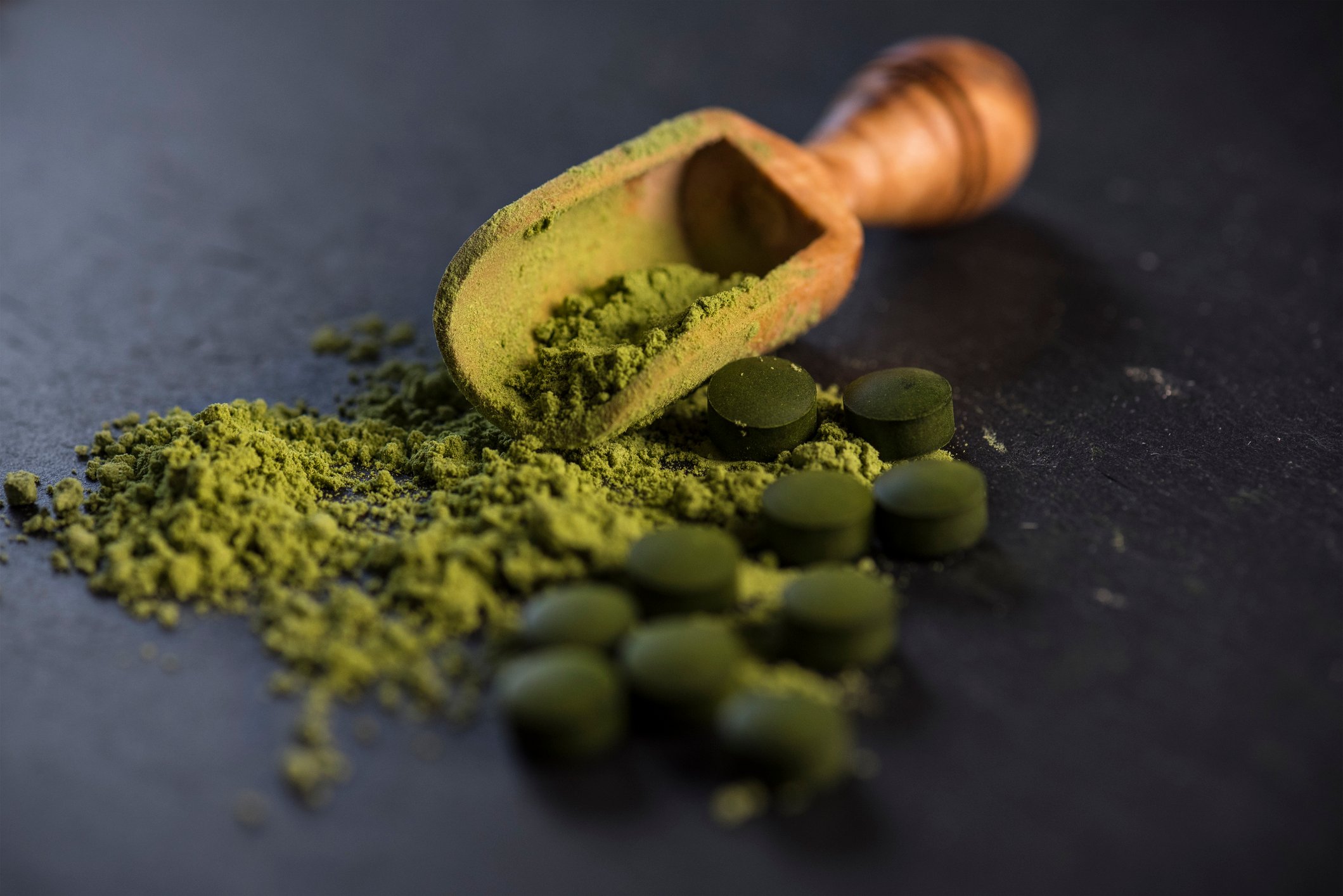
Disease-modifying therapies reduce relapse rates in multiple sclerosis. However, they often only incompletely address the aspects of oxidative stress and long-term neurodegeneration. Spirulina, a microalgae, is known for its strong antioxidant and anti-inflammatory properties due to its richness in phycocyanin, phenolic compounds and omega-3 fatty acids.
Autoren
- Dr. Ulf Blanke
Publikation
- InFo NEUROLOGIE & PSYCHIATRIE
Related Topics
You May Also Like
- Adrenogenital syndrome
Clinical care from birth to adulthood
- New approvals, current study data and ADC development
Antibody-drug conjugates in gynecologic oncology
- From symptom to diagnosis
Pneumology – Covid-19: a review
- Abdominal aortic aneurysms in primary care
Risk-stratified screening and prophylaxis
- Cardiology
Minimally invasive – the quiet triumph of modern heart surgery
- Plastic surgery and reconstructive microsurgery for DFS
Functional limb preservation between infection control, vascular medicine and resurfacing
- Age-related neurocognitive disorders