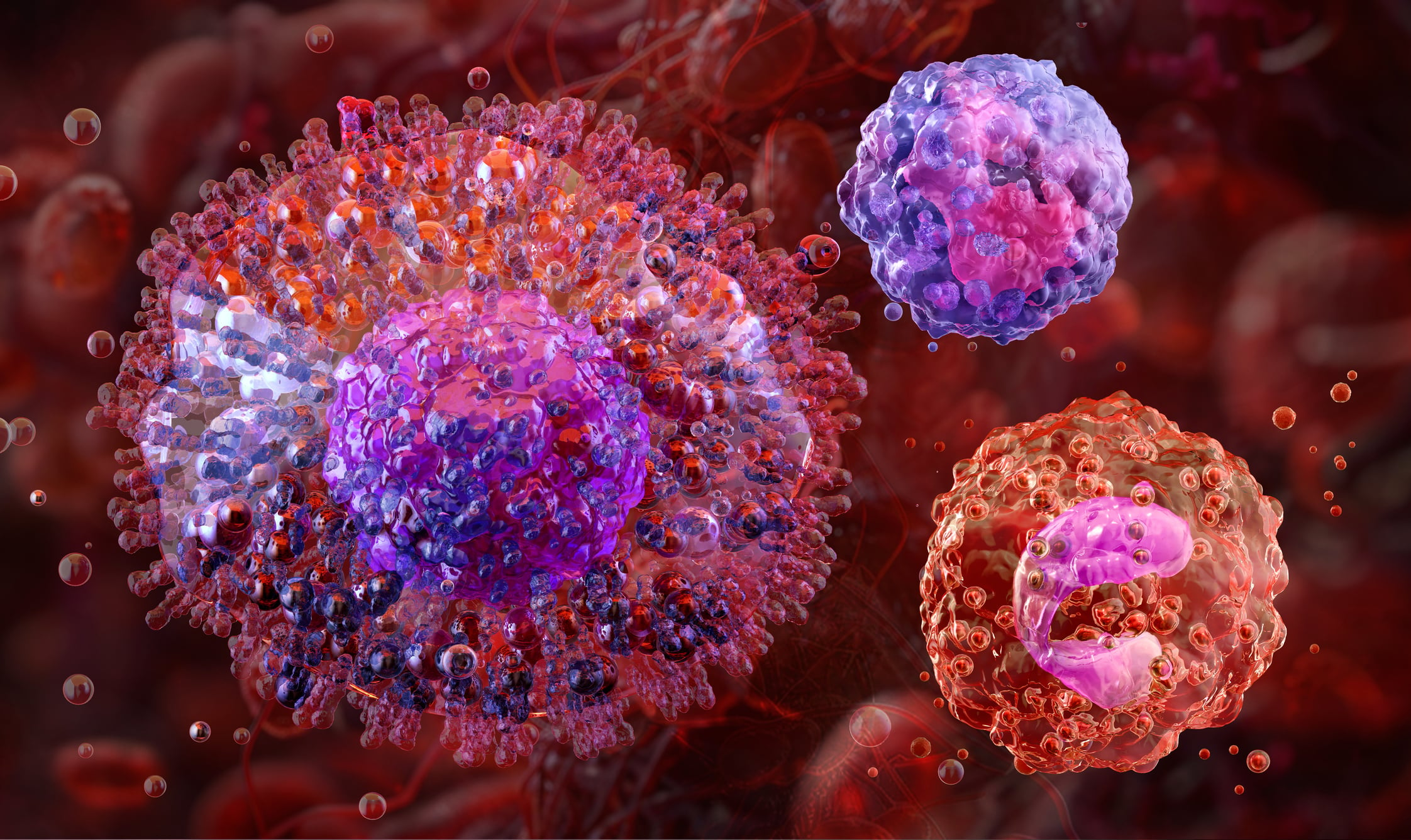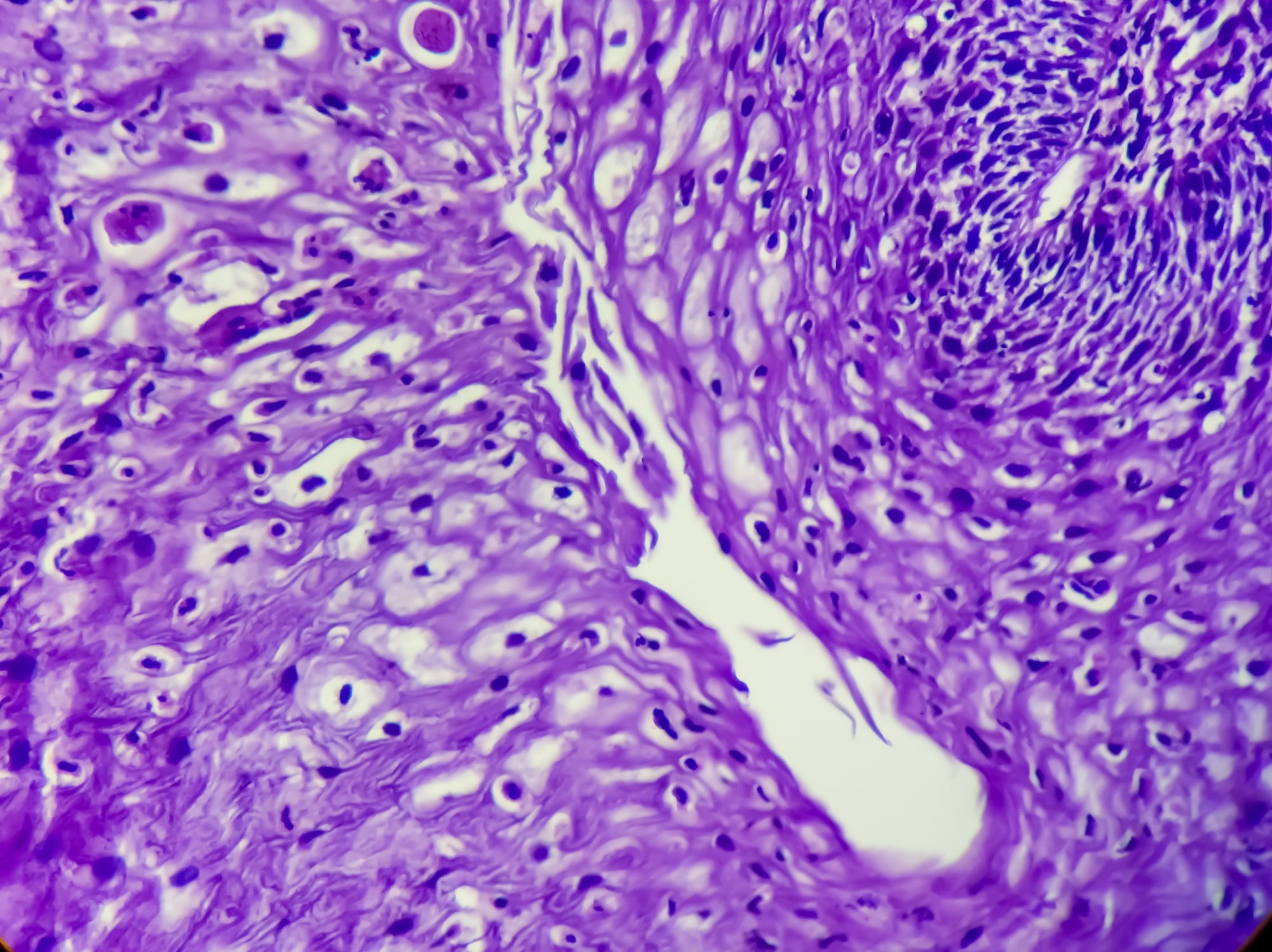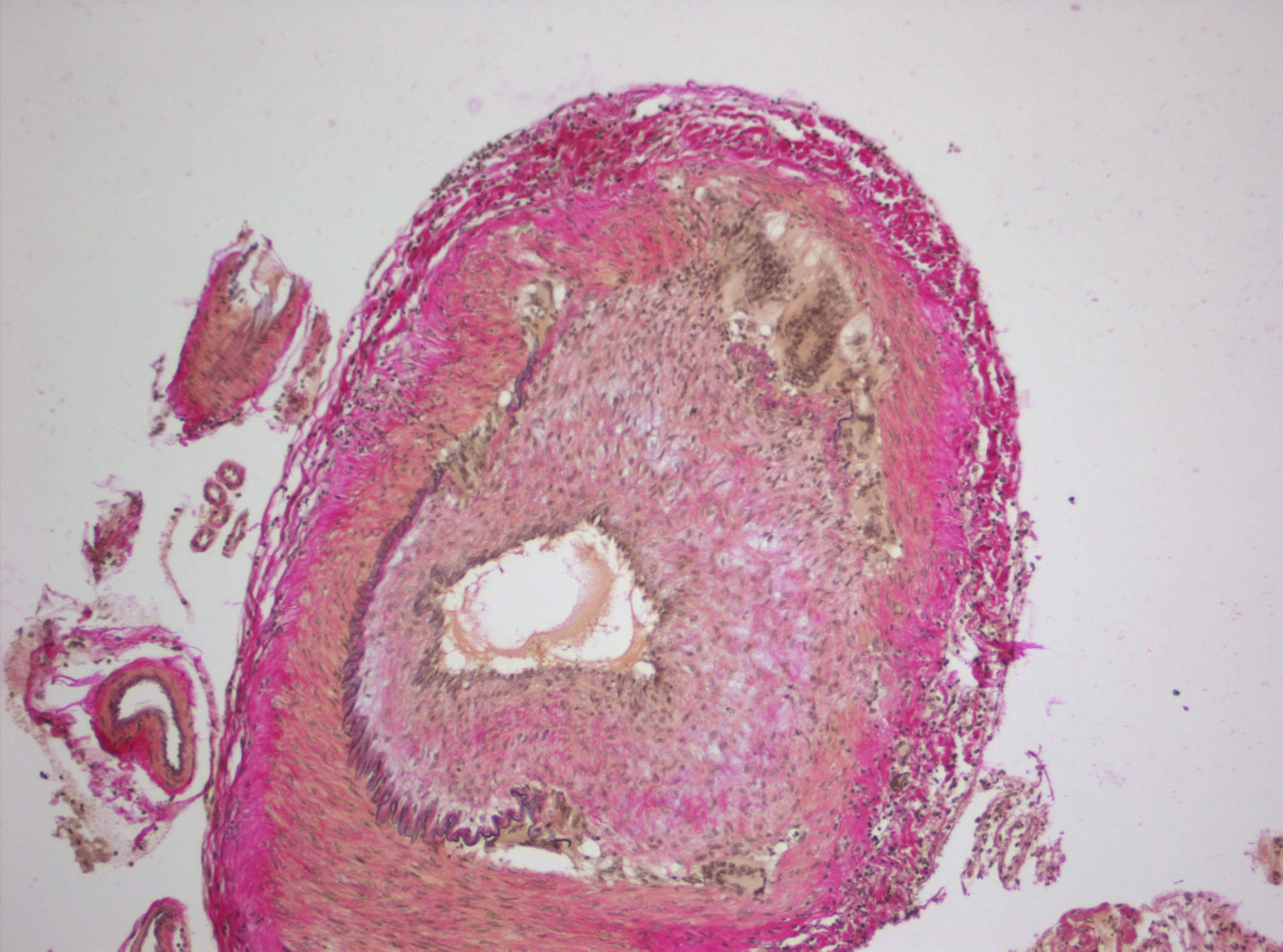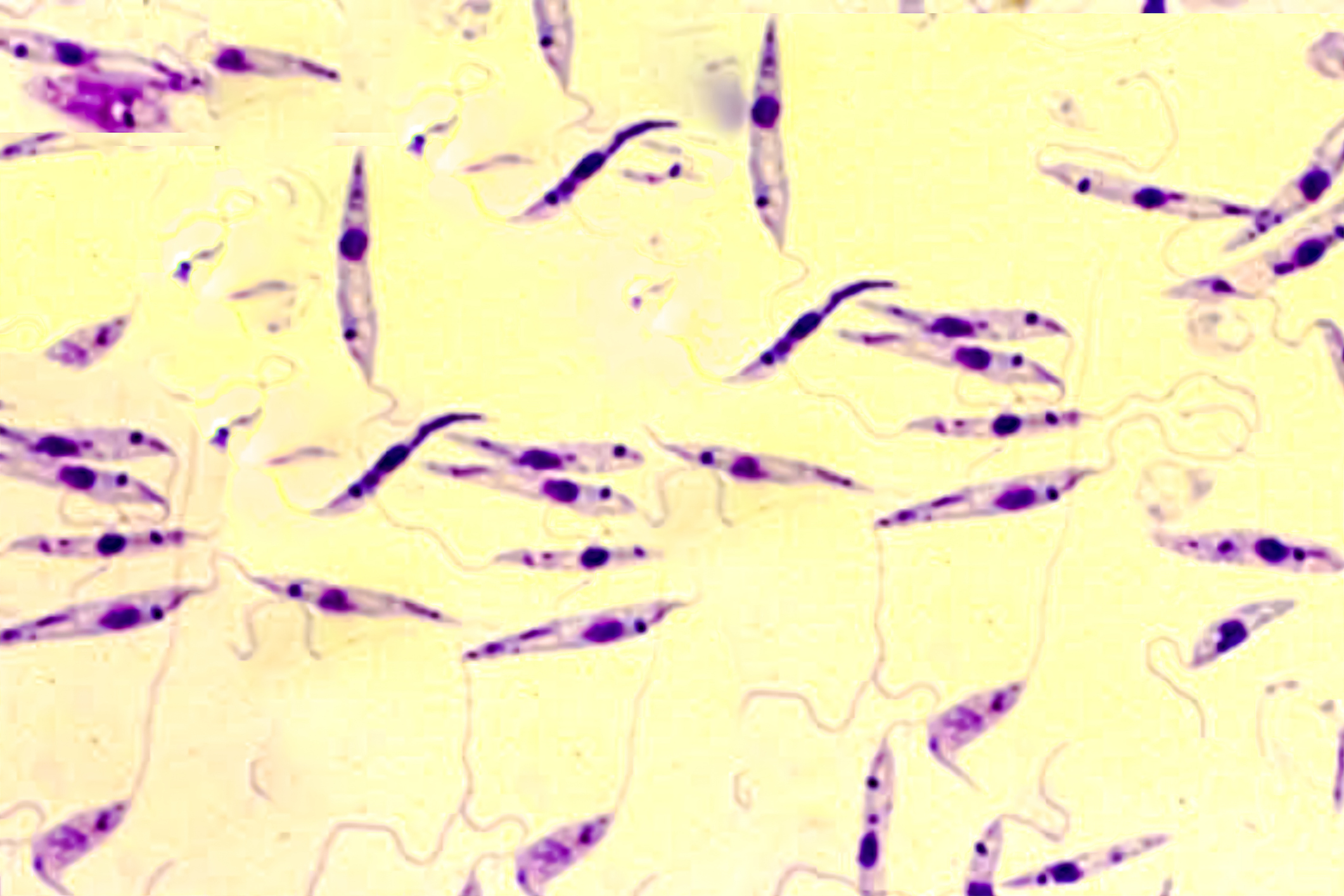
Cutaneous leishmaniasis is a skin disease caused by protozoa of the genus Leishmania , which is endemic in tropical and subtropical regions, with Leishmania infantum becoming increasingly relevant in southern Europe, particularly in the Mediterranean region. This pathogen typically causes visceral leishmaniasis, but can also cause exclusively cutaneous lesions in immunocompetent individuals, as in the present case.
Autoren
- Mirjam Peter, M.Sc.
Publikation
- DERMATOLOGIE PRAXIS

Related Topics
You May Also Like
- Psychological dependence on AI assistants, smartphones and short videos
Algorithms, avatars and the unburdened mind
- Psychooncology
Communication as the key to therapy adherence
- The Brain and the Motivation to Eat
Why is it so hard to lose weight?
- Omaveloxolone for Friedreich's Ataxia
Efficacy and Safety Studied Over 6 Years
- Psoriasis: therapy with biologics and TYK-2-i
Progress assessments based on current long-term and real-world data
- Hypertension: the most important facts for daily practice
Early dual antihypertensive therapy is usually indicated
- Escitalopram for anxiety disorders
Positive effect, but no immediate improvement in symptoms
- Helicobacter pylori infection