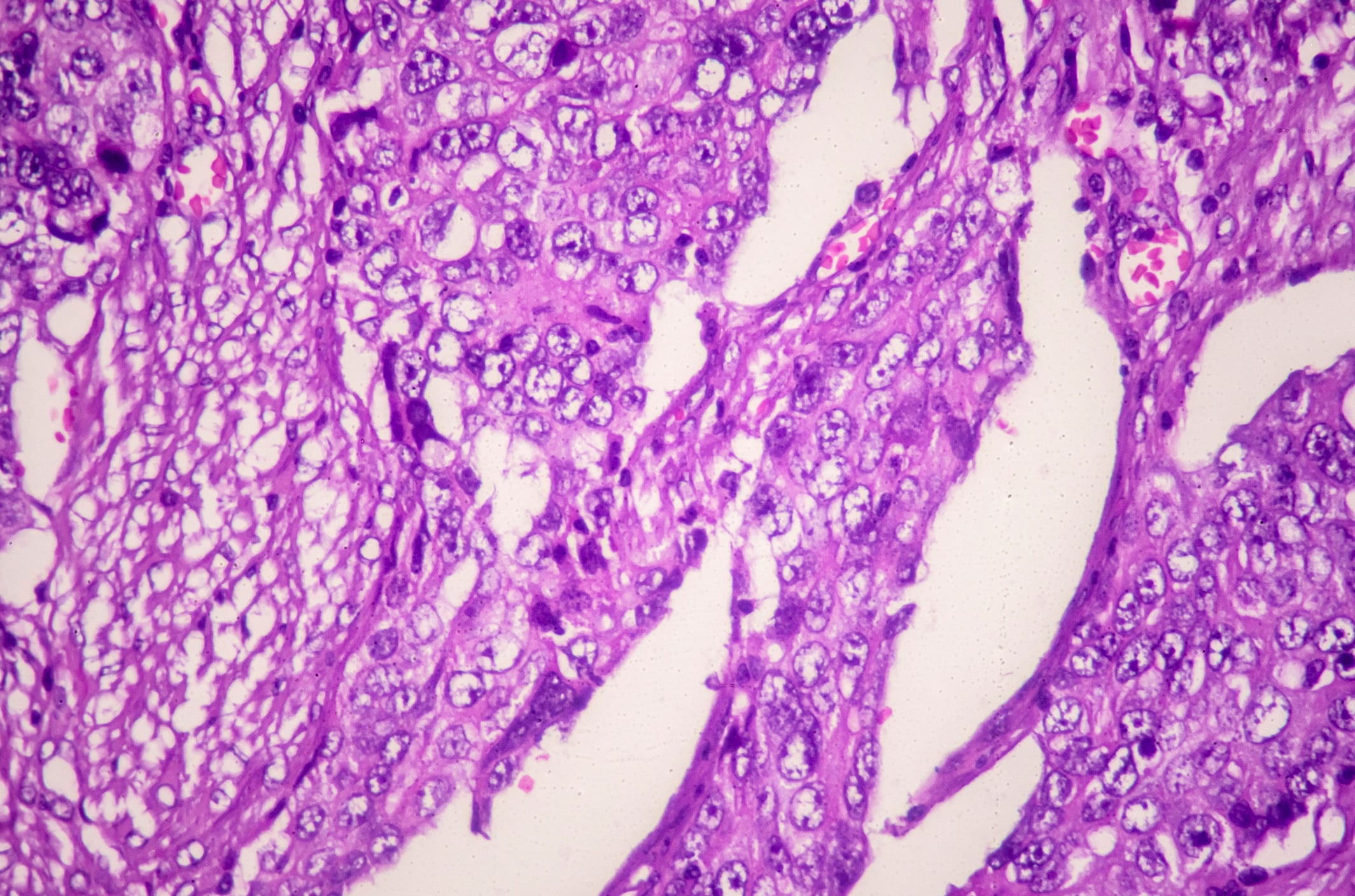
Breast cancer is the most common cancer in women worldwide – and also the one with the greatest potential for reducing mortality through structured screening. A German long-term study presented in July 2025 shows that regular mammography participation prevents around one in four breast cancer deaths. At the same time, the international debate is shifting: the USPSTF has lowered its minimum age from 50 to 40; Germany is planning to lower it to 45. In the case of ovarian cancer, the situation remains fundamentally more difficult – no population screening has been proven to reduce mortality. All the more reason for risk genetics to come to the fore: BRCA1/2, PALB2, RAD51C and other genes define high-risk collectives for which intensified monitoring and risk-reduced surgery are life-saving.
Publikation
- GYNÄKOLOGIE PRAXIS