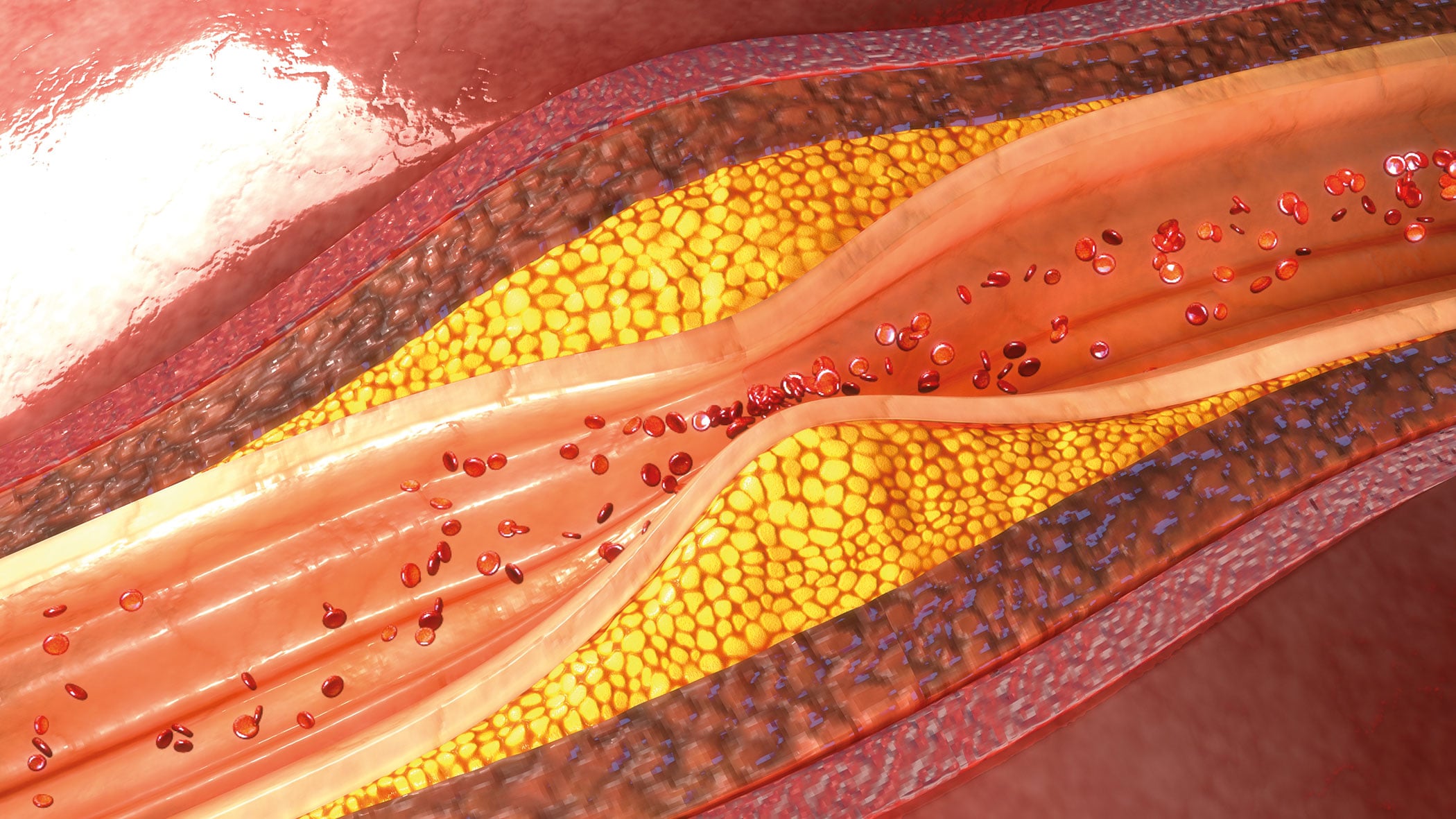
For patients with ASCVD, modern imaging techniques such as CCTA and cardiac MRI often provide a solid basis for subsequent treatment decisions. The invasive cardiac catheterization procedure is currently used primarily when a heart attack is imminent or already suspected. However, in recent years, interventional strategies for preventing coronary events have increasingly become the focus of interest for high-risk patients with confirmed vulnerable plaques. A randomized study investigated the effects of preventive PCI in high-risk patients, such as those with type 2 diabetes.
Autoren
- Mirjam Peter, M.Sc.
Publikation
- HAUSARZT PRAXIS

Related Topics
You May Also Like
- Secondary prevention after ACS: individually optimized lipid management
Trend towards early combination therapy and new strategies for lowering Lp(a)
- Pediatric Brain Tumors
Psychiatry versus Neuro-Oncology: Diagnostic Pitfalls
- What the latest studies on the entire EF spectrum mean for clinical practice
Heart Failure – The 2026 Evidence Update
- Acute ischemic stroke
Alteplase and Tenecteplase Are on the Same Level
- CKD in People with Type 2 Diabetes: Evidence-Based, Optimized Treatment
SGLT-2 inhibitors and GLP-1 receptor agonists: significant improvement in renal outcomes
- Wearables: screening via smartwatch?
New study on atrial fibrillation in high-risk patients
- Peristomal skin health
Focus on preventive care options
- Planning a Family, Pregnancy, and Breastfeeding