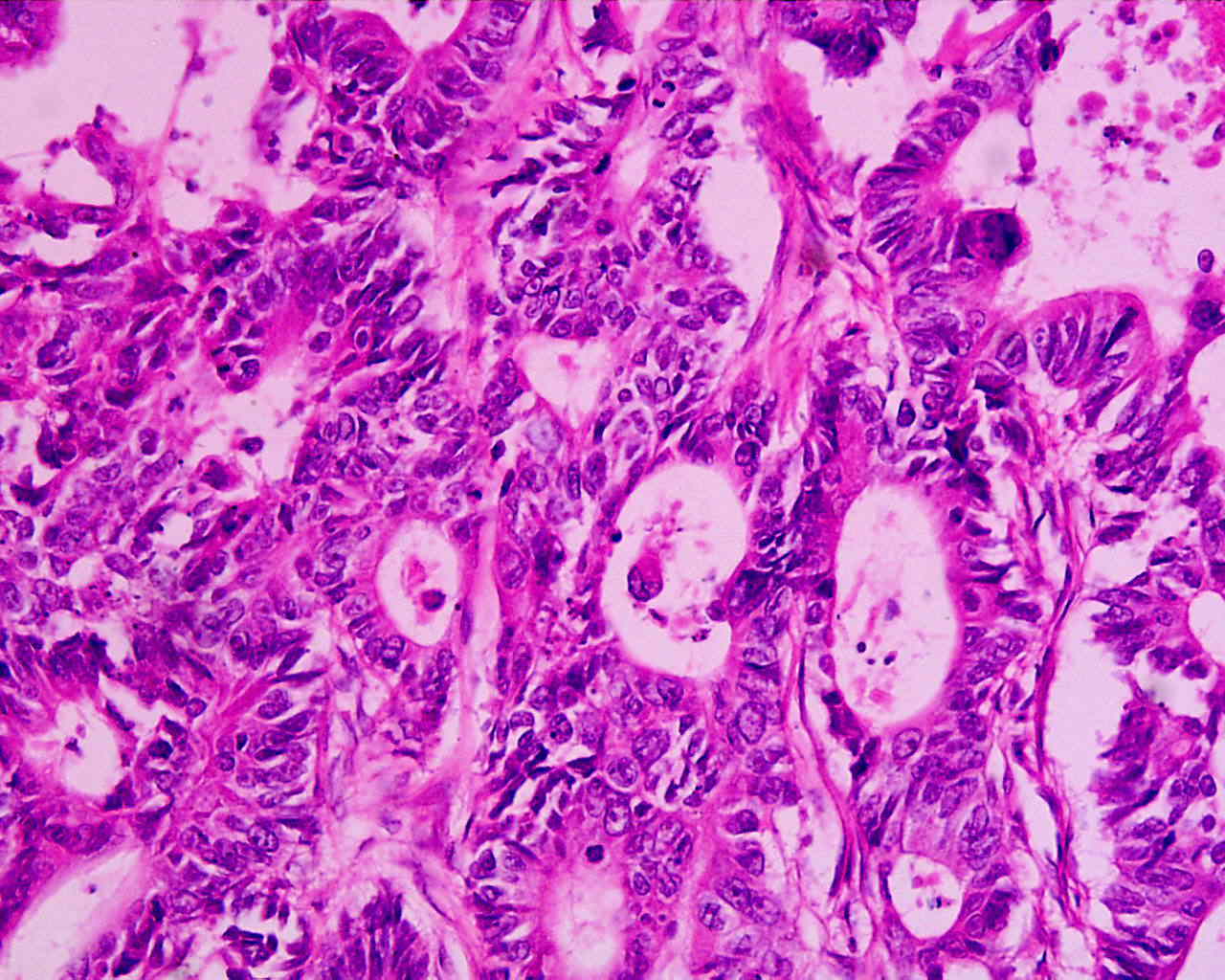
Colorectal cancer is one of the most common malignant tumors worldwide and is increasingly linked to metabolic disorders such as insulin resistance and obesity. New epidemiological data show significant shifts in incidence and age distribution, underscoring the importance of preventive and metabolically oriented approaches. In particular, the interactions between metabolism, inflammation, and tumor biology are becoming a greater focus of research.

Related Topics
- Adipocyte-Tumor Crosstalk
- Chronic Inflammation and Colorectal Cancer
- Colon Cancer
- Colorectal cancer
- colorectal carcinoma
- Diet and Colorectal Cancer Prevention
- Dietary Fiber, Legumes, Colorectal Cancer
- Epidemiology of Colorectal Cancer in Switzerland
- FABP5/PPARD/CPT1A Axis
- GPD1L Biomarker
- Hyperinsulinemia and Cancer Risk
- IGF-1 Signaling Pathway KRK
- Insulin Receptor Expression KRK
- Insulin Resistance and Colorectal Cancer
- KRK
- Metabolic Dysregulation and Cancer
- Microbiome and Colorectal Cancer
- Obesity and Colorectal Cancer
- Rectal Cancer
- Tumor microenvironment KRK
- Visceral Obesity and Colorectal Cancer
- Vitamin D Dysregulation and Obesity
You May Also Like
- Colorectal Cancer
Insulin Resistance, Obesity, and Progression
- Modern asthma therapies
New data on biologics and triple therapy
- From symptom to diagnosis
Abdominal Pain – Focal Nodular Hyperplasia
- Hepatology and Metabolism
The Mediterranean Diet for MASLD/MASH—What the EASL-EASD-EASO Guidelines Specifically Recommend
- Peristomal skin health
Focus on preventive care options
- Case study
Discoid Lupus Erythematosus in a 38-Year-Old Woman
- Hand and Finger Injuries
Preventing Permanent Functional Limitations
- From an antidiabetic drug to a distinct class of cardiorenal therapies