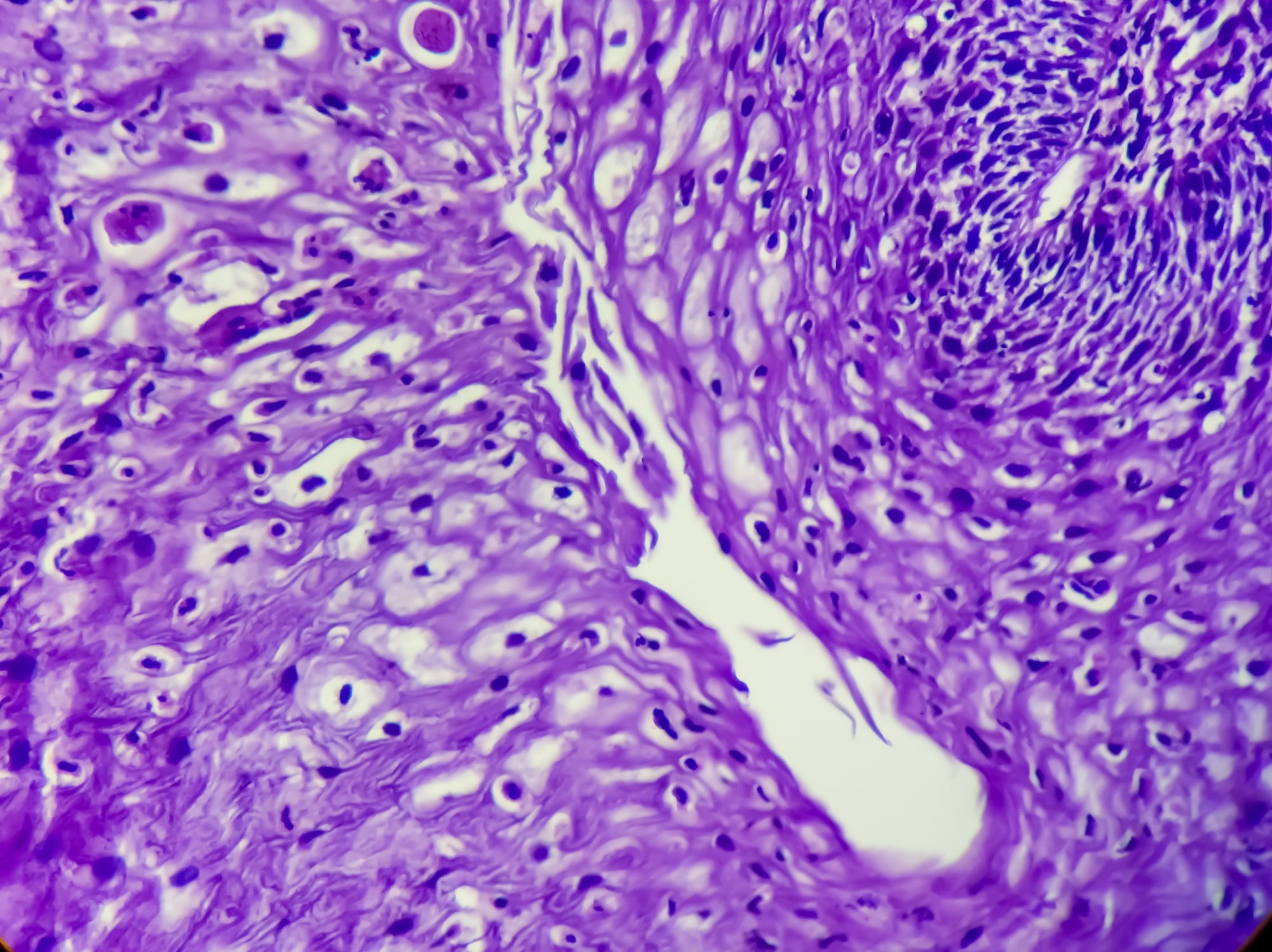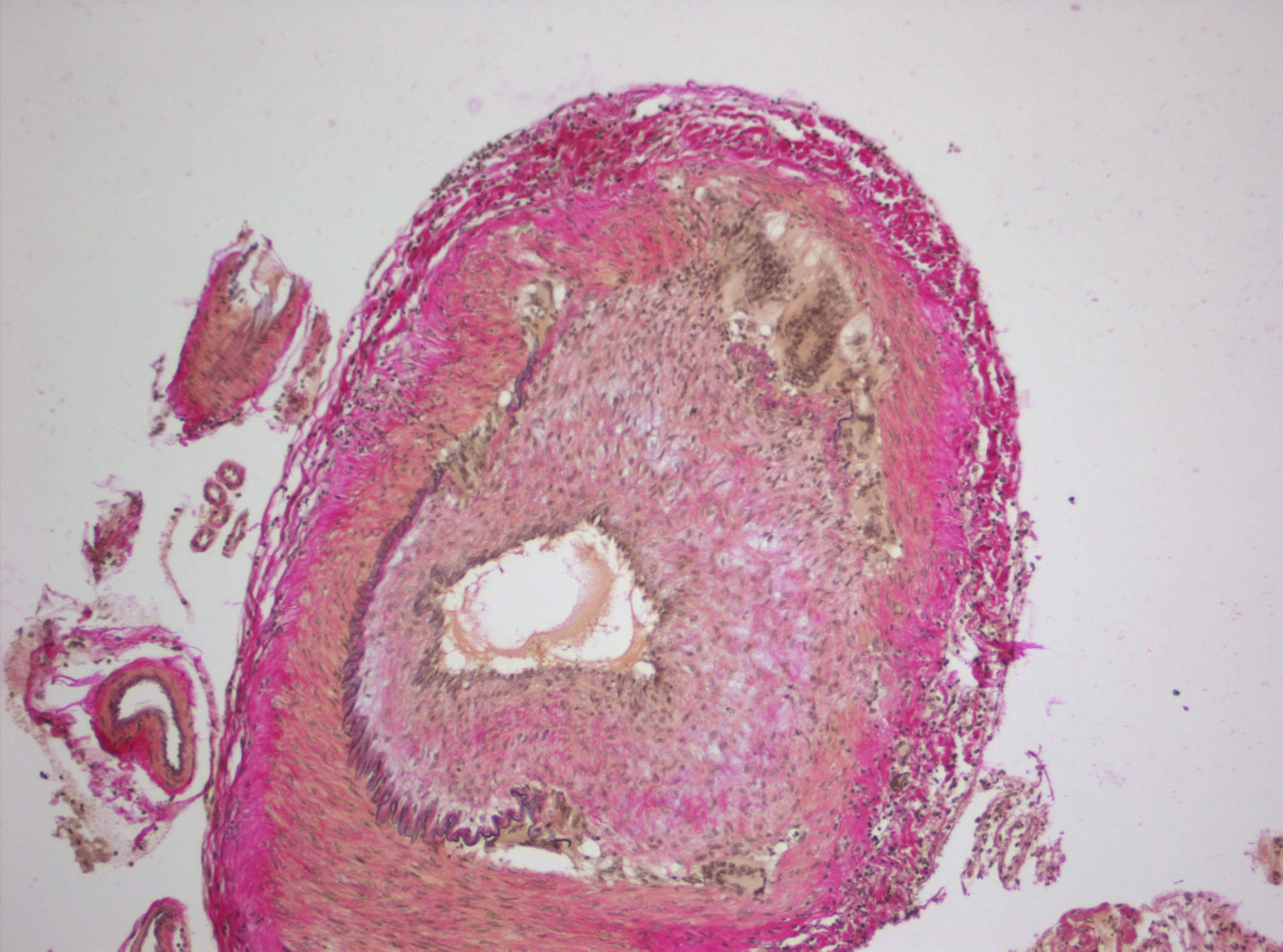
Discoid lupus erythematosus (DLE) accounts for 50–80% of all cases of chronic cutaneous lupus, making it the most common subtype. The diagnosis is primarily clinical but is supported by histopathology and direct immunofluorescence in atypical or treatment-resistant cases. Clinical mimicry poses a challenge and requires consideration of a broad spectrum of differential diagnoses. Although DLE is traditionally considered a disease limited to the skin, recent findings point to potential systemic autoimmune activity, for which there were also indications in the present case.
Autoren
- Mirjam Peter, M.Sc.
Publikation
- DERMATOLOGIE PRAXIS

Related Topics
You May Also Like
- Hereditary Transthyretin Amyloidosis with Polyneuropathy
New Treatment Options for ATTRv-PN
- Type 1 Diabetes: A New Disease-Modifying Treatment Approach
Slowing the loss of β-cell function and delaying the progression of the disease
- Liver Cancer
Artificial Intelligence in Precision Oncology—Opportunities and Challenges
- Acute nonspecific back pain
Implementing a biopsychosocial approach
- Psychedelic-assisted therapy
Current status of PAT
- Neuropathic Pain
Evidence-Based Neuromodulation Based on Clinical Trials and Real-World Data
- Fibromyalgia Syndrome
Development, Diagnosis, Epidemiology, and Treatment of a Disease Entity
- Juvenile Idiopathic Arthritis