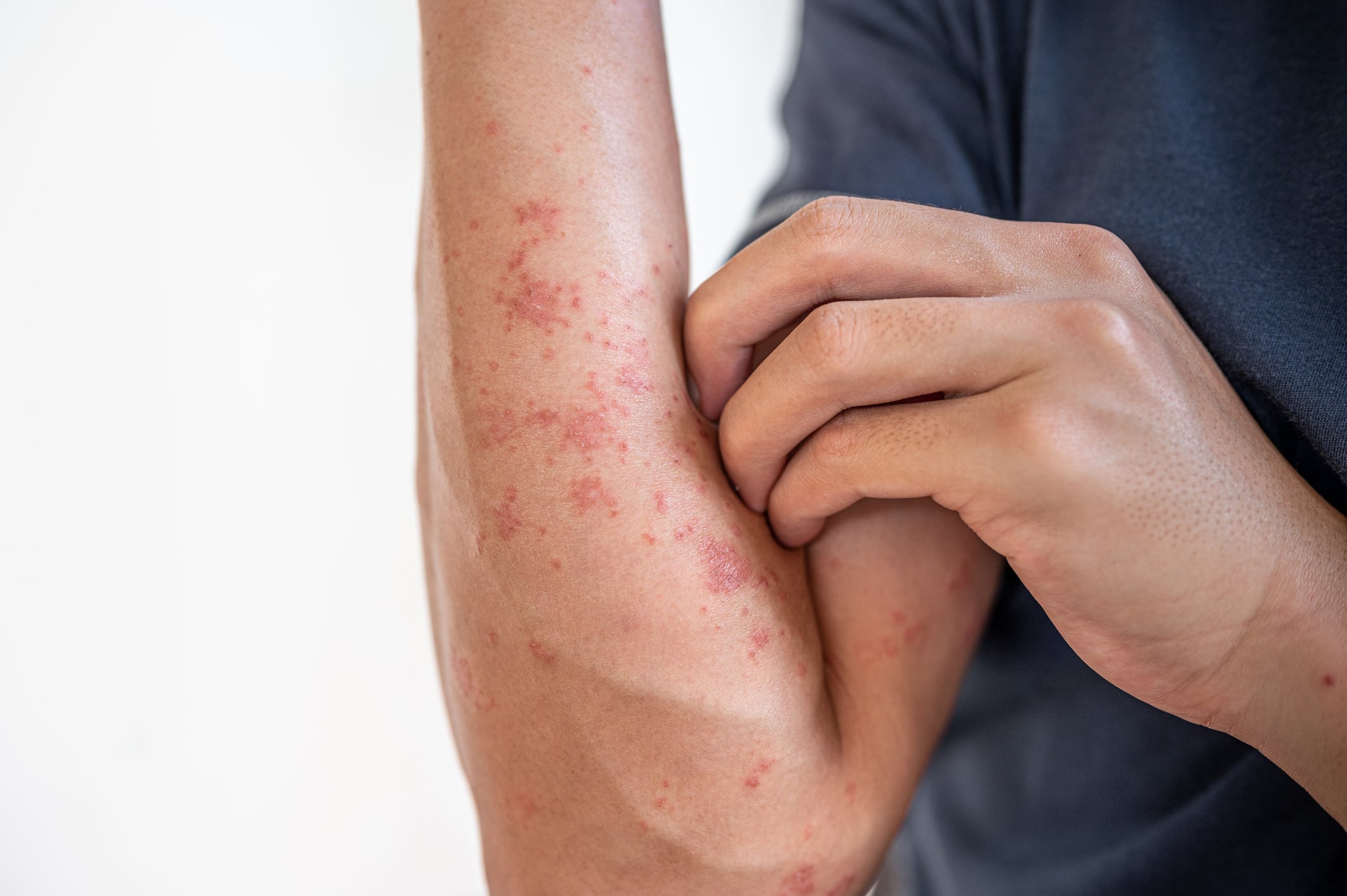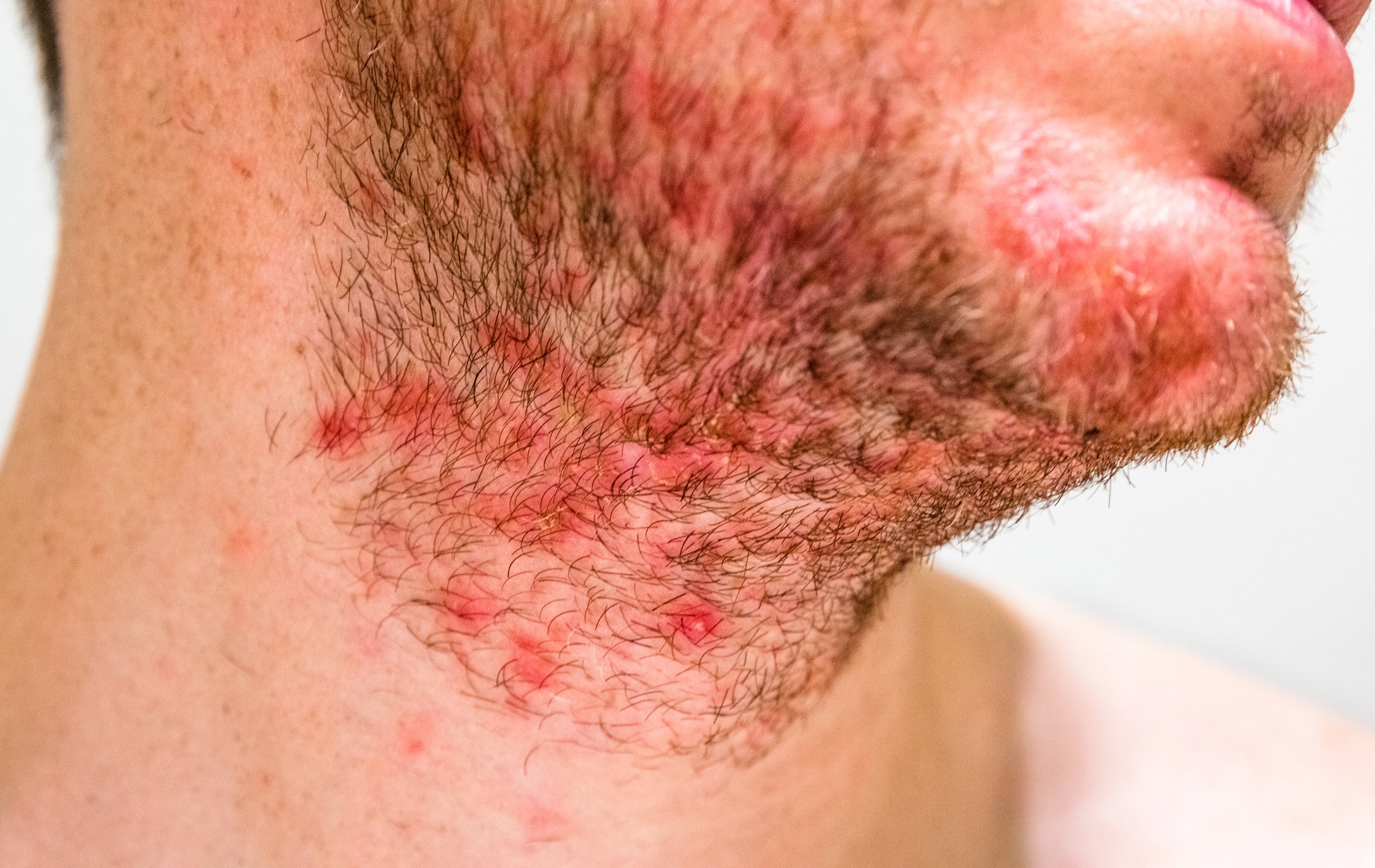
Seborrhoeic eczema is caused by a complex interplay of dysbiosis, impaired skin barrier function and immunological dysregulation. It occurs preferentially in areas rich in sebaceous glands and is associated with varying degrees of itching. A recent prospective study of adults with seborrhoeic dermatitis showed that 51% suffered from a high level of stress and around 48% from fatigue. Around a third felt stigmatized and over a quarter showed symptoms of depression.
Autoren
- Mirjam Peter, M.Sc.
Publikation
- DERMATOLOGIE PRAXIS

Related Topics
You May Also Like
- Prurigo nodularis: evidence-based treatment
Targeted therapy options on the rise
- MACE risk, heart failure incidence and all-cause mortality
Metabolic syndrome as a cardiovascular risk factor
- Glaucoma in old age: slowing down progression
IOP lowering is currently the only evidence-based treatment
- Vector-borne infections with skin manifestations
Arboviruses and leishmaniasis in Europe
- Multimorbidity and functional capacity in old age
Clarify individual health status and reduce risks
- Tick season: danger from early summer meningoencephalitis
TBE vaccination recommended for adults and children aged 3 and over
- New WHO guideline, updated stimulation protocols, focus on PGT-A
Fertility and reproductive medicine 2026
- Wound treatment