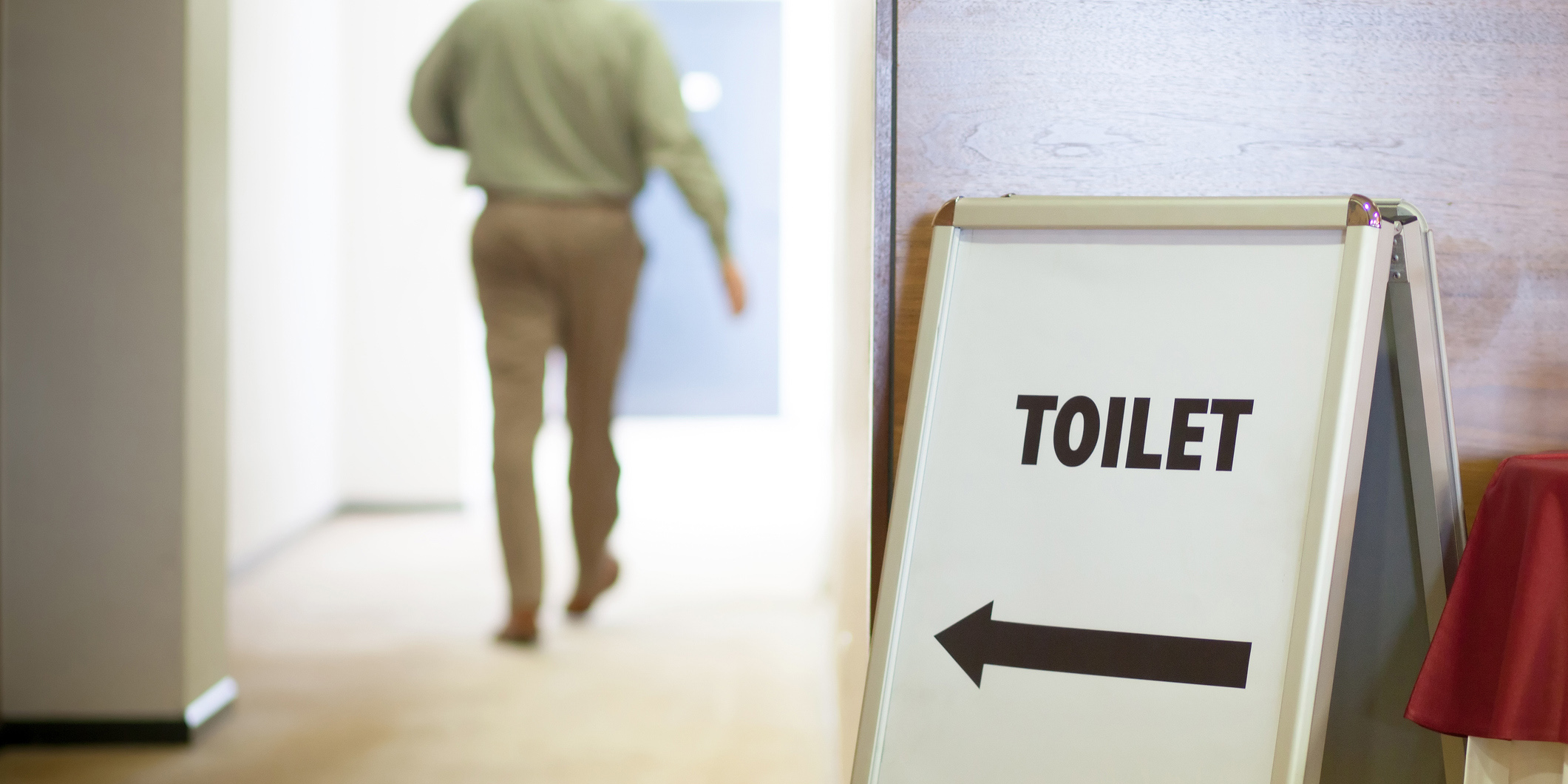
Fecal incontinence is a medical problem that significantly impairs the quality of life of those affected, but often remains undiagnosed and untreated due to the sufferer’s sense of shame. It is estimated that around 500,000 to 700,000 people in Switzerland suffer from incontinence. It affects people of all age groups, but is more common in older people. In the over-50 age group, more than twice as many women as men are affected. The reasons for this often lie in past birth trauma, but also in the different anatomy.
Autoren
- Dr. med. Meenakshi Aggarwal
- Prof. Dr. med. Heiner Krammer
- Dr. med. Erdmute Entz
Publikation
- HAUSARZT PRAXIS

Related Topics
You May Also Like
- Mental Health with GLP-1 RAs
Benefits of Semaglutide and Liraglutide
- Bronchiolitis obliterans
Out of shape even without popcorn
- Case study
Guillain-Barré syndrome with a fulminant course
- Suspicion of neuroborreliosis?
Detection of borrelia-specific CSF parameters provides certainty
- The Brain and the Motivation to Eat
Why is it so hard to lose weight?
- Global Recommendation, Swissmedic Approval, and SL Limitation
WHO Guidelines on GLP-1 for Obesity
- Obesity in Children and Adolescents
Gene-Environment Interactions: Polygenic or Monogenic Determinants?
- Congenital Vascular Malformations