Medizinonline Medizinonline
  • News
    • News
    • Market & Medicine
  • Patients
    • Disease patterns
    • Diagnostics
    • Therapy
  • Partner Content
    • Dermatology
      • Atopic dermatitis and psoriasis news
    • Diabetes
      • Dia-Month Club – Type 2 Diabetes
      • Diabetes in Motion
      • Diabetes Podcasts
    • Gastroenterology
      • IBD matters
    • Oncology
      • Swiss Oncology in motion
    • Orthopedics
      • Osteoporosis in motion
  • Departments
    • Allergology and clinical immunology
    • General Internal Medicine
    • Anesthesiology
    • Angiology
    • Surgery
    • Dermatology and venereology
    • Endocrinology and Diabetology
    • Nutrition
    • Gastroenterology and Hepatology
    • Genetics
    • Geriatrics
    • Gynecology
    • Hematology
    • Infectiology
    • Cardiology
    • Nephrology
    • Neurology
    • Emergency and intensive care medicine
    • Nuclear Medicine
    • Oncology
    • Ophthalmology
    • ORL
    • Orthopedics
    • Pediatrics
    • Pharmacology and toxicology
    • Pharmaceutical medicine
    • Phlebology
    • Physical medicine and rehabilitation
    • Pneumology
    • Prevention and health care
    • Psychiatry and psychotherapy
    • Radiology
    • Forensic Medicine
    • Rheumatology
    • Sports Medicine
    • Traumatology and trauma surgery
    • Tropical and travel medicine
    • Urology
    • Dentistry
  • CME & Congresses
    • CME continuing education
    • Congress Reports
    • Congress calendar
  • Practice
    • Noctimed
    • Practice Management
    • Jobs
    • Interviews
  • Log In
  • Register
  • My account
  • Contact
  • Publications
  • Contact
  • Deutsch
  • English
  • Français
  • Italiano
  • Português
  • Español
Subscribe
Medizinonline Medizinonline
  • News
    • News
    • Market & Medicine
  • Patienten
    • Krankheitsbilder
    • Diagnostik
    • Therapie
  • Partner Content
    • Dermatology
      • Atopic dermatitis and psoriasis news
    • Diabetes
      • Dia-Month Club – Type 2 Diabetes
      • Diabetes in Motion
      • Diabetes Podcasts
    • Gastroenterology
      • IBD matters
    • Oncology
      • Swiss Oncology in motion
    • Orthopedics
      • Osteoporosis in motion
    • Phytotherapie
    • Rheumatology
  • Departments
    • Fachbereiche 1-13
      • Allergology and clinical immunology
      • General Internal Medicine
      • Anesthesiology
      • Angiology
      • Surgery
      • Dermatology and venereology
      • Endocrinology and Diabetology
      • Nutrition
      • Gastroenterology and Hepatology
      • Genetics
      • Geriatrics
      • Gynecology
      • Hematology
    • Fachbereiche 14-26
      • Infectiology
      • Cardiology
      • Nephrology
      • Neurology
      • Emergency and intensive care medicine
      • Nuclear Medicine
      • Oncology
      • Ophthalmology
      • ORL
      • Orthopedics
      • Pediatrics
      • Pharmacology and toxicology
      • Pharmaceutical medicine
    • Fachbereiche 26-38
      • Phlebology
      • Physical medicine and rehabilitation
      • Phytotherapy
      • Pneumology
      • Prevention and health care
      • Psychiatry and psychotherapy
      • Radiology
      • Forensic Medicine
      • Rheumatology
      • Sports Medicine
      • Traumatology and trauma surgery
      • Tropical and travel medicine
      • Urology
      • Dentistry
  • CME & Congresses
    • CME continuing education
    • Congress Reports
    • Congress calendar
  • Practice
    • Noctimed
    • Practice Management
    • Jobs
    • Interviews
Login

Sie haben noch keinen Account? Registrieren

  • New therapeutic option

Hay fever – new hope against the underestimated widespread disease?

    • Allergology and clinical immunology
    • Congress Reports
    • Dermatology and venereology
    • RX
  • 3 minute read

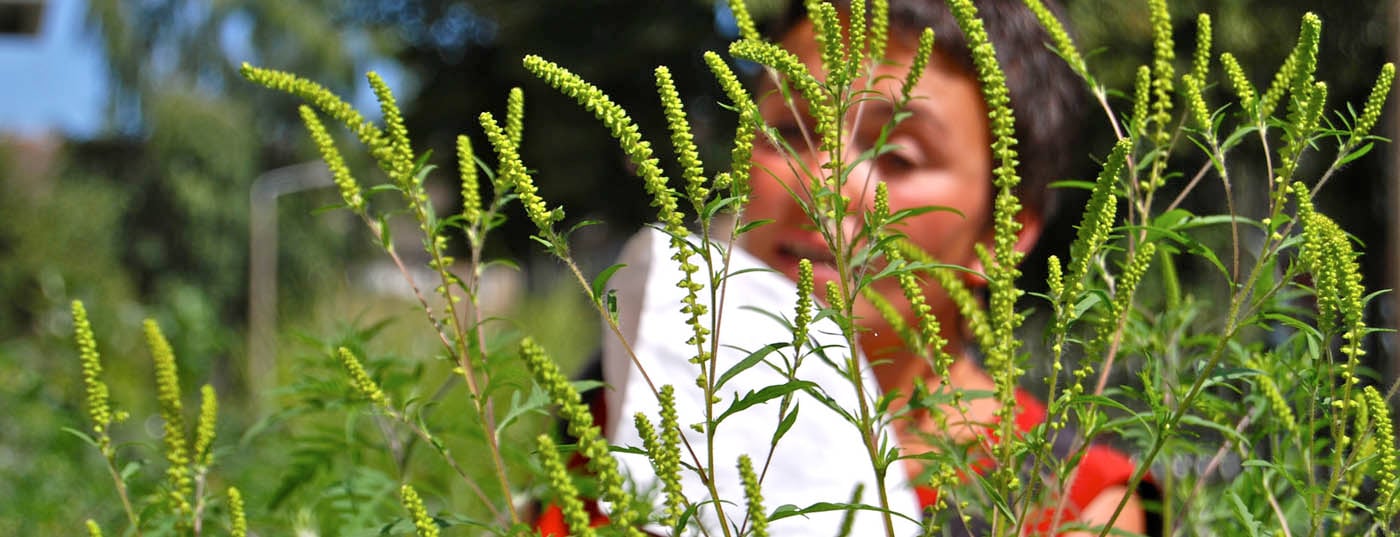
Not all people long for sunny and warm days already in the spring. Many suffer from hay fever, an often underestimated common disease. Severely affected patients suffer from reduced performance and sometimes feel severely restricted by the whirling pollen, even in their leisure activities. With Dymista®, physicians have a new therapeutic option whose study results are very promising.

(lg) If one is affected by hay fever, fatigue, an almost permanent feeling of illness as well as a “small pharmacy” are constant companions in spring or summer. Many people are familiar with this condition and the higher the number of pollens patients are allergic to, the longer the condition lasts through the summer. At the media conference in Zurich, Prof. Peter Schmid-Grendelmeier, MD, Zurich, and Prof. Claus Bachert, MD, Ghent (Belgium), spoke about the new approval of Dymista, the study results of which give cause for hope.

Consequential diseases due to underestimated hay fever

About one fifth of the Swiss population suffers from hay fever, of which almost half of all patients take two or even more medications. Since many suffer from a variety of symptoms, a different preparation is used against each of the symptoms that occur. However, controlling the symptoms is anything but easy. If the treatment is applied too late or incorrectly, serious illnesses can result. “It is important to protect patients from secondary diseases, because every third hay fever patient develops allergic asthma. This can then occur not only seasonally, but all year round,” says Prof. Schmid-Grendelmeier on the importance of the right therapy.

The first stage of therapy involves avoidance of the allergen, patients should be encouraged to wash their hair frequently and avoid grasses and pollen. The second step is to treat the symptoms with medication, and the third is desensitization, which is intended to create tolerance to the allergens in question. However, the therapy often turns out to be difficult in practice, because every patient shows different symptoms and is often allergic to several groups of pollens and grasses.

Combination preparation convinces in studies

With Dymista, a novel combination of active ingredients has now been approved for the Swiss market. It consists of an antihistamine and a local cortisone, which is used in its present form as a nasal spray. The advantage: The compound unfolds its effect very quickly, the “pharmacy” that must be carried by sufferers is reduced to one preparation, since according to study results it can also relieve eye symptoms. Prof. Bachert speaks of “a real additive effect” offered by the nasal spray with this drug combination: “The drug was tested in a total of around 4,500 patients not only against placebo, but also directly against intranasal corticosteroids. Here, it was shown to be twice as effective in the overall symptomatology of seasonal allergic rhinitis. This gives many patients new hope.” Patients often cite nasal congestion as the most bothersome symptom, which was also significantly alleviated by therapy with Dymista compared to intranasal corticosteroids.

The correct use of the nasal spray is essential. The primary care physician is encouraged to teach proper use. The head should be bent down slightly and the spray should be sprayed into the right nostril with the left hand and vice versa, according to Prof. Bachert’s precise instructions. “In practice, we see that the drug is well accepted by patients, as symptoms improve quickly. In about four days instead of ten days so far, the overall complex of symptoms improves, which can also improve adherence” is Prof. Schmid-Grendelmeier’s assessment.
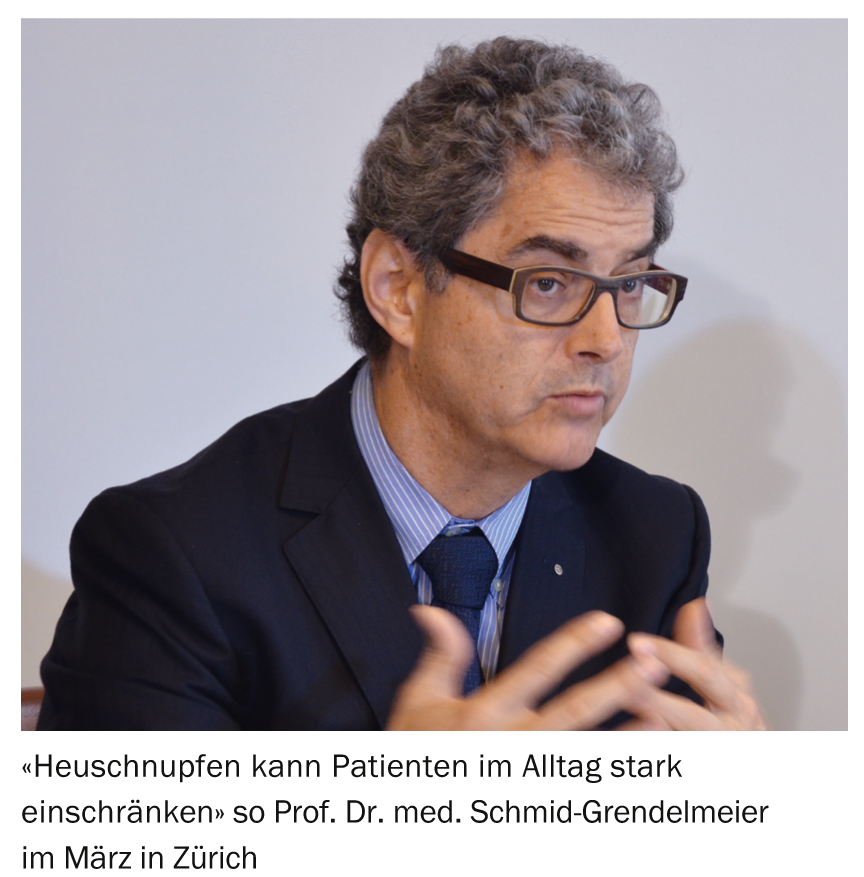
Whether the use of Dymista also has a positive effect on allergic asthma cannot yet be conclusively assessed. However, relevant investigations and studies are currently being carried out. The drug is approved in Switzerland for patients over 12 years of age suffering from seasonal allergic rhinitis and rhinoconcunctivitis. The drug showed good tolerability in long-term use over one year. A small group of patients experienced taste disturbances when using the nasal spray. This was the most common adverse event occurring at 2.5%, followed by nosebleeds (1.2%), headache, and cough (1% each).

Source: “Hay fever – an underestimated widespread disease – new therapy gives hope!”, MEDA media conference, March 19, 2014, Zurich.

DERMATOLOGIE PRAXIS 2014; 24(3): 47-48
Autoren
  • Lena Geltenbort
Publikation
  • DERMATOLOGIE PRAXIS
Related Topics
  • Allergy
  • cough
  • Dymista
  • Hay fever
  • Headache
  • Nasal spray
  • Nosebleed
  • Taste disorder
Previous Article
  • Chronic wounds

Better sheets, smart beds and innovations from veterinary medicine

  • Congress Reports
  • Dermatology and venereology
  • RX
View Post
Next Article
  • Annual Congress of the SGAI

Management of atopic dermatitis in young children.

  • Allergology and clinical immunology
  • Congress Reports
  • Dermatology and venereology
  • Pediatrics
  • RX
View Post
You May Also Like
View Post
  • 12 min
  • Diabetic ketoacidosis

Recommendations for action in practice

    • Cases
    • CME continuing education
    • Emergency and intensive care medicine
    • Endocrinology and Diabetology
    • Hematology
    • Nephrology
    • RX
View Post
  • 6 min
  • Migraine: better quality of life thanks to multimodal care

Broader selection of innovative migraine prophylactics and acute therapies

    • Congress Reports
    • Neurology
    • Pharmacology and toxicology
    • RX
    • Studies
View Post
  • 4 min
  • Therapy of non-tumor-related pain

Do not prescribe opioids lightly for musculoskeletal pain

    • General Internal Medicine
    • Pharmacology and toxicology
    • Prevention and health care
    • RX
    • Studies
View Post
  • 3 min
  • Migraine

Fremanezumab for comorbid migraine and depression

    • Neurology
    • Pharmacology and toxicology
    • RX
    • Studies
View Post
  • 6 min
  • Case study

Moyamoya disease in a 23-year-old female patient

    • Angiology
    • Cases
    • Education
    • Neurology
    • Radiology
    • RX
View Post
  • 6 min
  • Dapagliflozin for T2D and heart failure

Epicardial fat reduced in patients with type 2 diabetes and HF

    • Cardiology
    • Education
    • Endocrinology and Diabetology
    • RX
View Post
  • 10 min
  • A hub of biological aging

Mitochondrial dysfunction and energy metabolism

    • Education
    • General Internal Medicine
    • Genetics
    • Prevention and health care
    • RX
    • Sports Medicine
    • Studies
View Post
  • 3 min
  • Health Literacy

Promoting health literacy: from the abstract to the concrete level

    • RX
    • General Internal Medicine
    • Practice Management
    • Prevention and health care
    • Studies
  • IBD matters

    Zum Thema
Top CME content
  • 1
    Causes and prevention at work
  • 2
    Yellow nail and Swyer-James syndrome
  • 3
    Recommendations for action in practice
  • 4
    From the β-cell to the center: the versatile role of amylin
  • 5
    Communication as the key to therapy adherence

Newsletter

Sign up and stay up to date

Subscribe
Medizinonline Medizinonline
  • Contact
  • General terms and conditions
  • Imprint

Input your search keywords and press Enter.