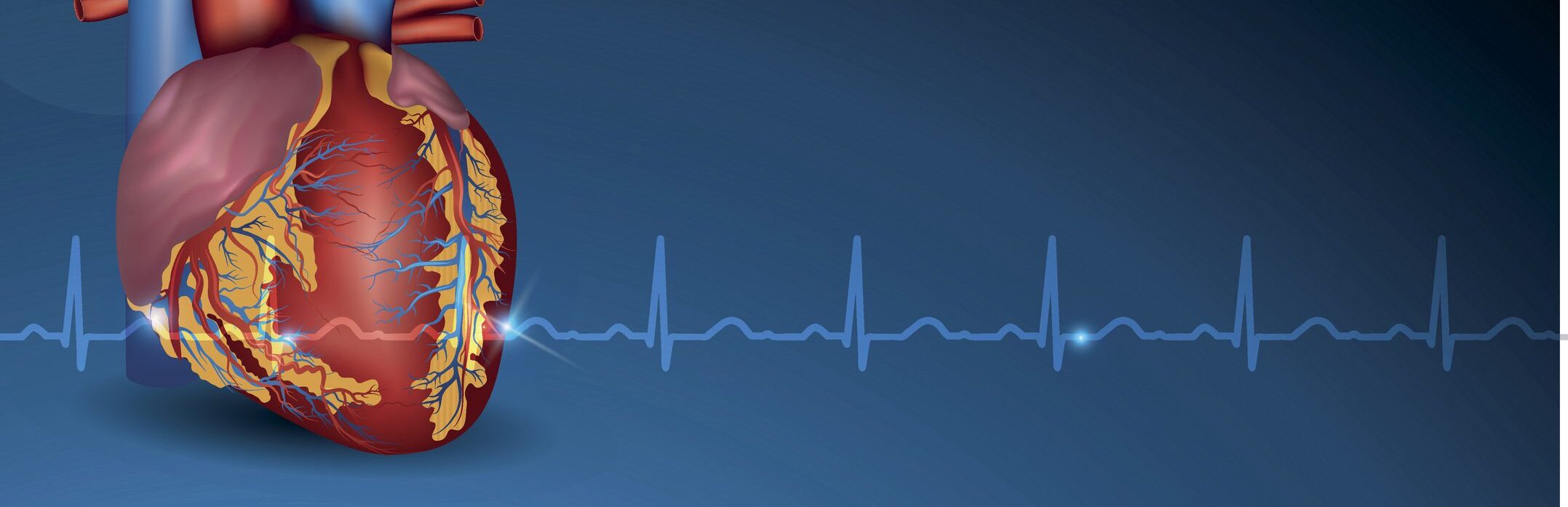
The implantable cardioverter defibrillator (ICD) represented a breakthrough in the prevention of sudden cardiac death. In addition to its use in secondary prevention, the indication of ICD therapy in primary prevention is also being intensively researched. A study published last year evaluated the relevance of ICD implantation in the acute phase of acute myocarditis and a registry study investigated the benefits of a wearable cardioverter defibrillator (WCD) for the prevention of sudden cardiac death in post-infarction patients.
Autoren
- Mirjam Peter, M.Sc.
Publikation
- HAUSARZT PRAXIS

Related Topics
You May Also Like
- Clinical significance, pathophysiology, diagnosis and management
Frailty in COPD
- Bladder infections and urinary tract infections
Survey reveals information deficits in the population
- Early detection of type 1 diabetes
Detection of insulin autoantibodies as an early marker
- Type 2 diabetes
Smoking causes more than double the risk
- From symptom to diagnosis
Abdominal pain – Colitis
- Pathophysiology, cardiovascular consequences and metabolic interventions
Obesity accelerates cardiovascular ageing
- CKD: counteracting kidney progression and reducing the risk of CVD
Targeted intervention through a multifactorial approach
- COPD therapy