Medizinonline Medizinonline
  • News
    • News
    • Market & Medicine
  • Patients
    • Disease patterns
    • Diagnostics
    • Therapy
  • Partner Content
    • Dermatology
      • Atopic dermatitis and psoriasis news
    • Diabetes
      • Dia-Month Club – Type 2 Diabetes
      • Diabetes in Motion
      • Diabetes Podcasts
    • Gastroenterology
      • IBD matters
    • Oncology
      • Swiss Oncology in motion
    • Orthopedics
      • Osteoporosis in motion
  • Departments
    • Allergology and clinical immunology
    • General Internal Medicine
    • Anesthesiology
    • Angiology
    • Surgery
    • Dermatology and venereology
    • Endocrinology and Diabetology
    • Nutrition
    • Gastroenterology and Hepatology
    • Genetics
    • Geriatrics
    • Gynecology
    • Hematology
    • Infectiology
    • Cardiology
    • Nephrology
    • Neurology
    • Emergency and intensive care medicine
    • Nuclear Medicine
    • Oncology
    • Ophthalmology
    • ORL
    • Orthopedics
    • Pediatrics
    • Pharmacology and toxicology
    • Pharmaceutical medicine
    • Phlebology
    • Physical medicine and rehabilitation
    • Pneumology
    • Prevention and health care
    • Psychiatry and psychotherapy
    • Radiology
    • Forensic Medicine
    • Rheumatology
    • Sports Medicine
    • Traumatology and trauma surgery
    • Tropical and travel medicine
    • Urology
    • Dentistry
  • CME & Congresses
    • CME continuing education
    • Congress Reports
    • Congress calendar
  • Practice
    • Noctimed
    • Practice Management
    • Jobs
    • Interviews
  • Log In
  • Register
  • My account
  • Contact
  • Publications
  • Contact
  • Deutsch
  • English
  • Français
  • Italiano
  • Português
  • Español
Subscribe
Medizinonline Medizinonline
  • News
    • News
    • Market & Medicine
  • Patienten
    • Krankheitsbilder
    • Diagnostik
    • Therapie
  • Partner Content
    • Dermatology
      • Atopic dermatitis and psoriasis news
    • Diabetes
      • Dia-Month Club – Type 2 Diabetes
      • Diabetes in Motion
      • Diabetes Podcasts
    • Gastroenterology
      • IBD matters
    • Oncology
      • Swiss Oncology in motion
    • Orthopedics
      • Osteoporosis in motion
    • Phytotherapie
    • Rheumatology
  • Departments
    • Fachbereiche 1-13
      • Allergology and clinical immunology
      • General Internal Medicine
      • Anesthesiology
      • Angiology
      • Surgery
      • Dermatology and venereology
      • Endocrinology and Diabetology
      • Nutrition
      • Gastroenterology and Hepatology
      • Genetics
      • Geriatrics
      • Gynecology
      • Hematology
    • Fachbereiche 14-26
      • Infectiology
      • Cardiology
      • Nephrology
      • Neurology
      • Emergency and intensive care medicine
      • Nuclear Medicine
      • Oncology
      • Ophthalmology
      • ORL
      • Orthopedics
      • Pediatrics
      • Pharmacology and toxicology
      • Pharmaceutical medicine
    • Fachbereiche 26-38
      • Phlebology
      • Physical medicine and rehabilitation
      • Phytotherapy
      • Pneumology
      • Prevention and health care
      • Psychiatry and psychotherapy
      • Radiology
      • Forensic Medicine
      • Rheumatology
      • Sports Medicine
      • Traumatology and trauma surgery
      • Tropical and travel medicine
      • Urology
      • Dentistry
  • CME & Congresses
    • CME continuing education
    • Congress Reports
    • Congress calendar
  • Practice
    • Noctimed
    • Practice Management
    • Jobs
    • Interviews
Login

Sie haben noch keinen Account? Registrieren

  • Breast cancer in the family

Is the prognosis worsening?

    • Gynecology
    • News
    • Oncology
    • RX
    • Studies
  • 2 minute read

Family history is not an independent risk factor for worse outcome in young women with breast cancer. This is the result of a British study in which the data of 2850 female patients were analyzed.

The patient population was drawn from the prospective UK cohort study Prospective Outcomes in Sporadic versus Hereditary breast cancer (POSH), which enrolled women aged less than 41 years and with breast cancer. Of the 2850 patients, 65.9% had a negative family history and 34.1% had a positive family history (breast/ovarian cancer in first- or second-degree relatives).

A positive family history made grade 3 tumors more likely (63.3 vs. 58.9%) and HER2-positive tumors less likely (24.7 vs. 28.8%). Family history did not play a role for the presence of an estrogen/progesterone receptor. Similarly, there were no differences in tumor diameter, lymph node involvement, or metastases at diagnosis. When estrogen receptor-positive and -negative patients were considered separately, the differences in tumor grade and HER2 status resolved.

Multivariable analyses after a median of 5.9 years of follow-up, which included receptor status, age at diagnosis, tumor grade/size, lymph node involvement, etc., revealed no significant differences in the distant metastasis-free interval for either the entire cohort or the cohort disaggregated by estrogen receptor status. Thus, with currently available therapies, patients with a positive family history do not have a worse outcome to worry about.

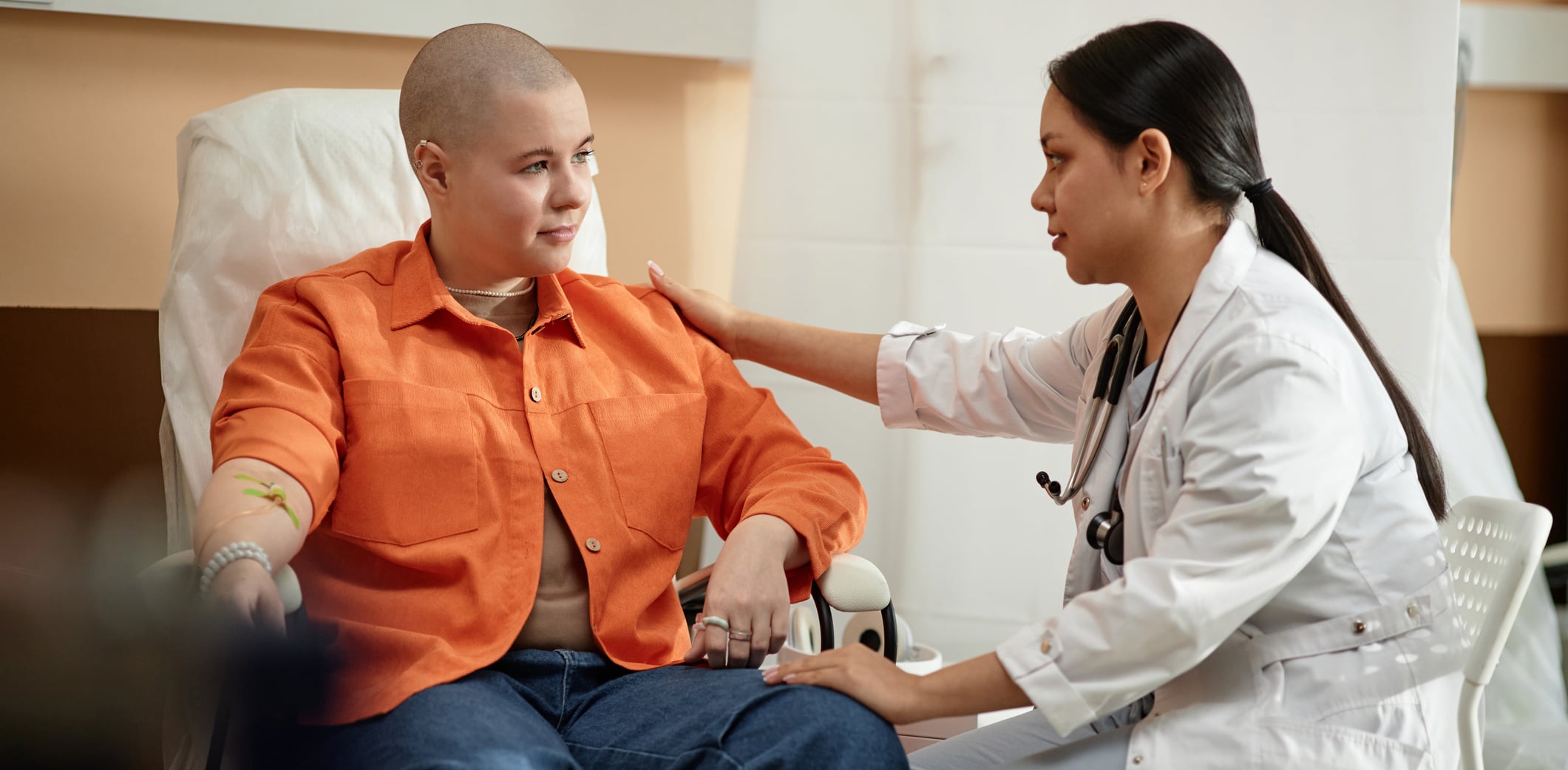
Reassure worried patients

Many young women with breast cancer are very well informed about their family history and are afraid that it could worsen their prognosis. According to the authors, it is important to reassure these women that cases of breast cancer in the family generally do not significantly affect outcome.

Advantages of the study are the sample size and its prospective nature. It is problematic that the family burden was not verified, but only collected by means of information provided by the patients. The follow-up period of 5.9 years for the first analysis is also somewhat short. Recurrences tend to occur later, particularly in estrogen receptor-positive breast carcinomas.

Source: Eccles BK, et al: Family history and outcome of young patients with breast cancer in the UK (POSH study). Br J Surg 2015; doi: 10.1002/bjs.9816 [Epub ahead of print].


InFo ONCOLOGY & HEMATOLOGY 2015; 3(7): 2.

Autoren
  • Andreas Grossmann
Publikation
  • InFo ONKOLOGIE & HÄMATOLOGIE
Related Topics
  • Breast Cancer
  • Breast Cancer
Previous Article
  • Transcatheter Aortic Valve Implantation (TAVI)

1-year results of the SAPIEN 3 study

  • Cardiology
  • Congress Reports
  • News
  • RX
  • Studies
View Post
Next Article
  • Laboratory medicine - prenatal medicine

New promising methods of prenatal diagnostics

  • Education
  • Gynecology
  • Pharmaceutical medicine
  • RX
View Post
You May Also Like
View Post
  • 3 min
  • Health Literacy

Promoting health literacy: from the abstract to the concrete level

    • General Internal Medicine
    • Practice Management
    • Prevention and health care
    • RX
    • Studies
View Post
  • 8 min
  • Pharmacological therapy

Anxiety symptoms in eating disorders

    • Education
    • Nutrition
    • Pharmacology and toxicology
    • Psychiatry and psychotherapy
    • RX
    • Studies
View Post
  • 4 min
  • Case study

Wiedemann-Steiner syndrome in a 2-year-old girl

    • Cases
    • Education
    • General Internal Medicine
    • Genetics
    • Pediatrics
    • RX
View Post
  • 4 min
  • Chronic back pain

Care in the virtual hospital – the Back@home project

    • Congress Reports
    • General Internal Medicine
    • Physical medicine and rehabilitation
    • Prevention and health care
    • RX
    • Studies
View Post
  • 4 min
  • Psoriatic arthritis

Long-term remission also possible without DMARDs

    • Dermatology and venereology
    • Education
    • Rheumatology
    • RX
View Post
  • 5 min
  • Clinical relevance, benefits and limitations

Atrial Fibrillation Screening

    • Cardiology
    • Education
    • RX
    • Studies
View Post
  • 9 min
  • Parkinson's disease: progressive and clinically heterogeneous

Individualized management of motor and non-motor symptoms

    • Congress Reports
    • Geriatrics
    • Neurology
    • Pharmacology and toxicology
    • RX
    • Studies
View Post
  • 9 min
  • Type 2 diabetes and heart failure: a bidirectional relationship

Proactive preventive measures can reduce the burden of disease

    • Cardiology
    • Education
    • Endocrinology and Diabetology
    • Prevention and health care
    • RX
    • Studies
  • IBD matters

    Zum Thema
Top CME content
  • 1
    Causes and prevention at work
  • 2
    Yellow nail and Swyer-James syndrome
  • 3
    Recommendations for action in practice
  • 4
    From the β-cell to the center: the versatile role of amylin
  • 5
    Communication as the key to therapy adherence

Newsletter

Sign up and stay up to date

Subscribe
Medizinonline Medizinonline
  • Contact
  • General terms and conditions
  • Imprint

Input your search keywords and press Enter.