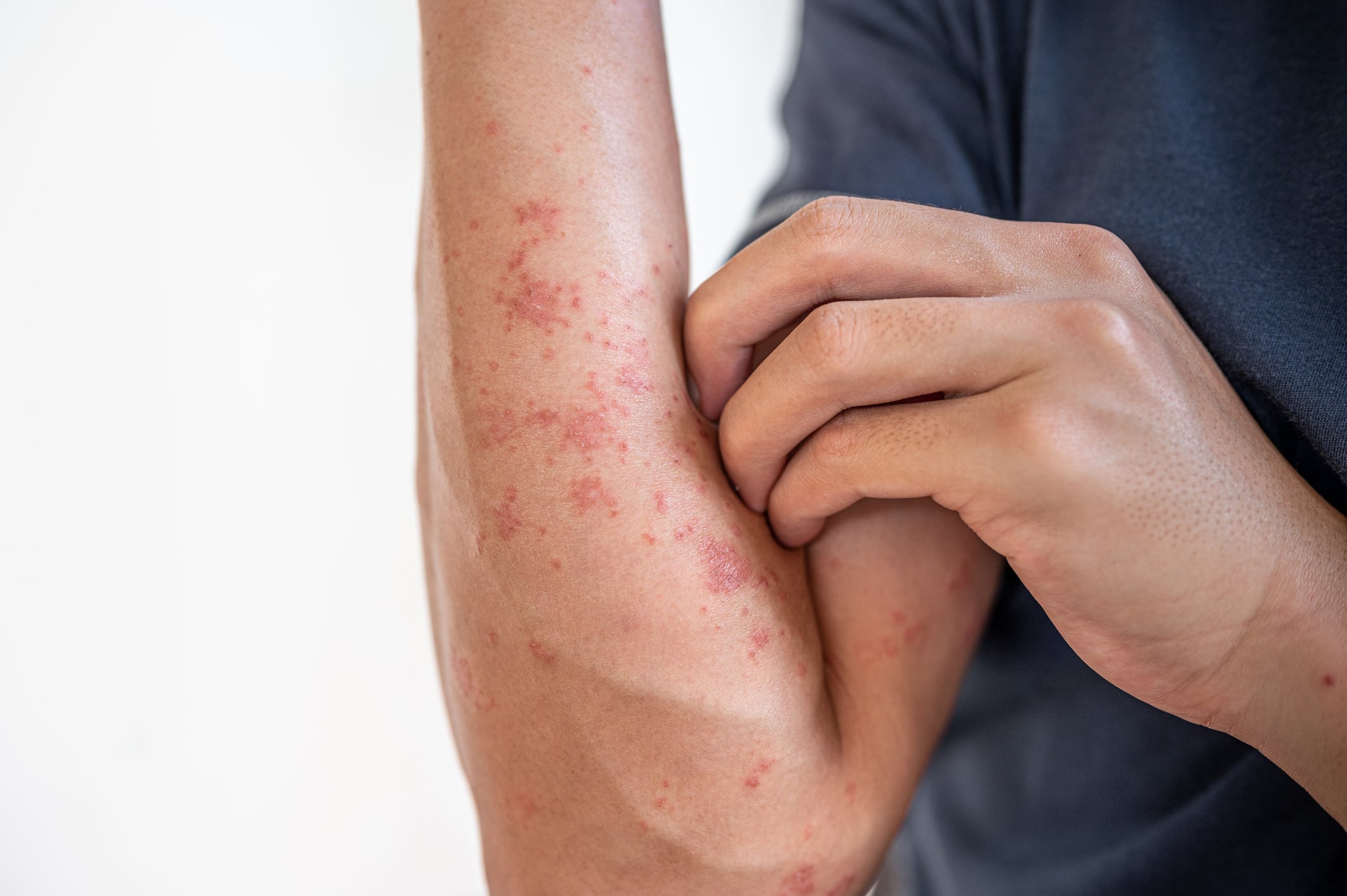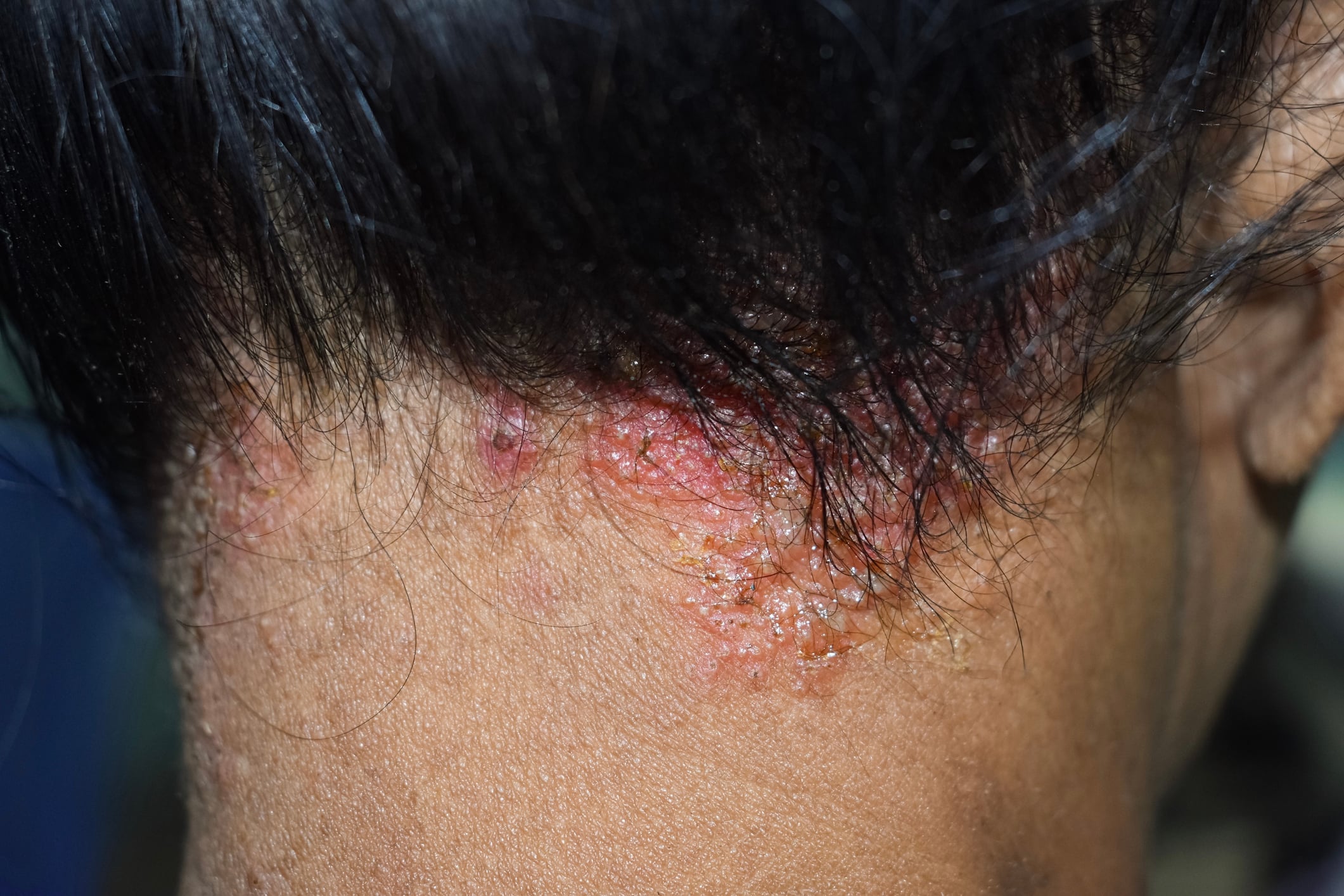
Longitudinal multi-omics studies can help elucidate mechanisms and identify biomarkers that may predict disease recurrence or sustained remission. Conventional therapies are based primarily on antifungals, topical corticosteroids, and calcineurin inhibitors. However, new therapeutic approaches are being investigated, including PDE4 inhibitors (roflumilast, crisaborol, and apremilast), topical and oral JAK inhibitors, probiotics, and therapies targeting the microbiome. These agents show promising results in selected patients.
Autoren
- Mirjam Peter, M.Sc.
Publikation
- DERMATOLOGIE PRAXIS
Related Topics
You May Also Like
- IBD in childhood
Pneumococcal vaccination without negative consequences
- Plastic surgery and reconstructive microsurgery for DFS
Functional limb preservation between infection control, vascular medicine and resurfacing
- Seborrheic Dermatitis in Adults and Adolescents
Current State of Knowledge and New Therapeutic Approaches
- Orthobiologics for knee osteoarthritis
PRP and hyaluronic acid injections as building blocks in a multimodal concept
- Soft tissue sarcomas of the lower extremity
Diagnostics, subtypes and treatment options
- Psychological dependence on AI assistants, smartphones and short videos
Algorithms, avatars and the unburdened mind
- The Brain and the Motivation to Eat
Why is it so hard to lose weight?
- Psychooncology