Medizinonline Medizinonline
  • News
    • News
    • Market & Medicine
  • Patients
    • Disease patterns
    • Diagnostics
    • Therapy
  • Partner Content
    • Diabetes
      • Dia-Month Club – Type 2 Diabetes
      • Diabetes in Motion
      • Diabetes Podcasts
    • Gastroenterology
      • IBD matters
    • Oncology
      • Swiss Oncology in motion
    • Orthopedics
      • Osteoporosis in motion
  • Departments
    • Allergology and clinical immunology
    • General Internal Medicine
    • Anesthesiology
    • Angiology
    • Surgery
    • Dermatology and venereology
    • Endocrinology and Diabetology
    • Nutrition
    • Gastroenterology and Hepatology
    • Genetics
    • Geriatrics
    • Gynecology
    • Hematology
    • Infectiology
    • Cardiology
    • Nephrology
    • Neurology
    • Emergency and intensive care medicine
    • Nuclear Medicine
    • Oncology
    • Ophthalmology
    • ORL
    • Orthopedics
    • Pediatrics
    • Pharmacology and toxicology
    • Pharmaceutical medicine
    • Phlebology
    • Physical medicine and rehabilitation
    • Pneumology
    • Prevention and health care
    • Psychiatry and psychotherapy
    • Radiology
    • Forensic Medicine
    • Rheumatology
    • Sports Medicine
    • Traumatology and trauma surgery
    • Tropical and travel medicine
    • Urology
    • Dentistry
  • CME & Congresses
    • CME continuing education
    • Congress Reports
    • Congress calendar
  • Practice
    • Noctimed
    • Practice Management
    • Jobs
    • Interviews
  • Log In
  • Register
  • My account
  • Contact
  • Publications
  • Contact
  • Deutsch
  • English
  • Français
  • Italiano
  • Português
  • Español
Subscribe
Medizinonline Medizinonline
  • News
    • News
    • Market & Medicine
  • Patienten
    • Krankheitsbilder
    • Diagnostik
    • Therapie
  • Partner Content
    • Diabetes
      • Dia-Month Club – Type 2 Diabetes
      • Diabetes in Motion
      • Diabetes Podcasts
    • Gastroenterology
      • IBD matters
    • Oncology
      • Swiss Oncology in motion
    • Orthopedics
      • Osteoporosis in motion
    • Phytotherapie
    • Rheumatology
  • Departments
    • Fachbereiche 1-13
      • Allergology and clinical immunology
      • General Internal Medicine
      • Anesthesiology
      • Angiology
      • Surgery
      • Dermatology and venereology
      • Endocrinology and Diabetology
      • Nutrition
      • Gastroenterology and Hepatology
      • Genetics
      • Geriatrics
      • Gynecology
      • Hematology
    • Fachbereiche 14-26
      • Infectiology
      • Cardiology
      • Nephrology
      • Neurology
      • Emergency and intensive care medicine
      • Nuclear Medicine
      • Oncology
      • Ophthalmology
      • ORL
      • Orthopedics
      • Pediatrics
      • Pharmacology and toxicology
      • Pharmaceutical medicine
    • Fachbereiche 26-38
      • Phlebology
      • Physical medicine and rehabilitation
      • Phytotherapy
      • Pneumology
      • Prevention and health care
      • Psychiatry and psychotherapy
      • Radiology
      • Forensic Medicine
      • Rheumatology
      • Sports Medicine
      • Traumatology and trauma surgery
      • Tropical and travel medicine
      • Urology
      • Dentistry
  • CME & Congresses
    • CME continuing education
    • Congress Reports
    • Congress calendar
  • Practice
    • Noctimed
    • Practice Management
    • Jobs
    • Interviews
Login

Sie haben noch keinen Account? Registrieren

  • Menopause

More brain damage in older women than in men of the same age

    • Gynecology
    • Neurology
    • Prevention and health care
    • RX
    • Studies
  • 3 minute read

After menopause, the extent of certain brain damage is greater in women than in men of the same age. This is the conclusion reached by researchers at the German Center for Neurodegenerative Diseases (DZNE) based on the study of more than 3,400 adults in the Bonn Rhineland Study. The tissue damage studied is considered a possible risk factor for dementia and stroke. The current findings underscore the importance of gender-responsive medicine.

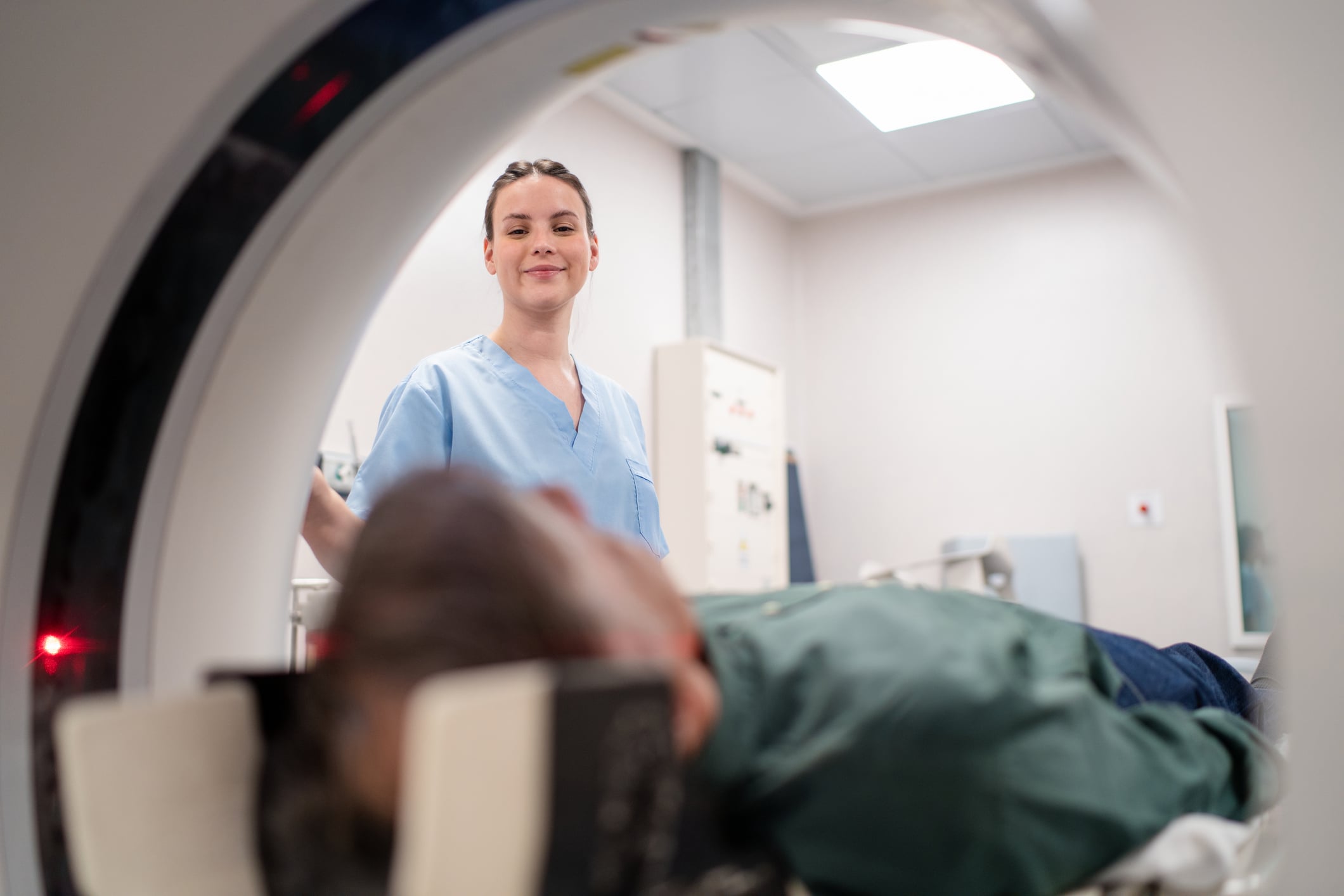
Particularly in older adults, bright spots can be seen on images of the brain obtained by magnetic resonance imaging (MRI). These spots indicate abnormalities in the so-called white matter, an area of the brain made up of nerve fibers that lies below the cerebral cortex inside the brain. In technical jargon, this is referred to as “white matter hyperintensities”. “These are signs of tissue damage associated with circulatory problems, increased blood pressure, stroke, and cognitive impairment,” explains neuroscientist Valerie Lohner, first author of the current paper. “It is known that these abnormalities in brain tissue increase with age. Our research now shows differences between men and women. This has been discussed for some time, but the data were inconclusive. We therefore included a larger group of people and a wider age range than previous studies. We found no significant differences in pre-menopausal women compared to men of the same age. However, the situation changes after menopause. This therefore affects those women who have already had their last menstrual period. In them, the damage to the white matter of the brain was more extensive than in men of the same age.”

Data from the Rhineland Study

These findings are based on investigations of the so-called Rhineland Study, a large-scale population study of the DZNE in the Bonn urban area. Valerie Lohner, together with expert colleagues from the DZNE, evaluated data from nearly 2,000 women and more than 1,400 men. Their ages ranged from 30 to 95, with a median age of about 54. In addition to differences between the sexes, the researchers generally registered a greater extent of abnormalities in the white matter of the brain in subjects with hypertension. This is consistent with previous research.

Gender specific medicine

“Our study results show that women who have already started menopause are more susceptible to changes in the brain vessels and thus to brain diseases than women before menopause, even if they have a similar age. Damage to the white matter of the brain does not necessarily lead to dementia or stroke, but it does increase the risk of them,” says Prof. Dr. Dr. Monique M. B. Breteler, head of the Rhineland Study and Director of Population-Based Health Research at the DZNE. “Our findings further indicate that specific differences between men and women should be considered when assessing these brain lesions. This underscores the relevance of gender-specific research and therapy.”

Causes unclear

The reasons for these gender differences are unclear. It has long been speculated that the hormone estrogen may have a protective effect that is lost in old age because the female organism gradually stops producing it with menopause. In their data, however, the scientists of the Rhineland study could not detect any influence of a therapy that compensates for the hormone deficiency: Post-menopausal women who regularly took hormone preparations were, on average, similarly affected by abnormalities of the white matter of the brain as post-menopausal women who did not take hormones. “It is unclear whether the hormonal change in the course of menopause is a decisive factor or whether factors related to the onset of menopause play a role. We will continue to investigate this topic in the Rhineland study,” Breteler said.


Original publication:

Relation between sex, menopause, and white matter hyperintensities: the Rhineland Study, Valerie Lohner et al, Neurology®, the medical journal of the American Academy of Neurology (2022), URL: 
https://n.neurology.org/lookup/doi/10.1212/WNL.0000000000200782

Previous Article
  • Women's Brain Project

“Sex” and “gender” as biological variables in precision medicine.

  • News
  • Prevention and health care
  • RX
  • Studies
View Post
Next Article
  • Ischemic stroke

New drug for acute stroke treatment

  • Neurology
  • Prevention and health care
  • RX
  • Studies
View Post
You May Also Like
View Post
  • 8 min
  • Proteins in wound healing

Do special amino acids lead to success?

    • CME continuing education
    • Dermatology and venereology
    • Endocrinology and Diabetology
    • Nutrition
    • RX
    • Studies
View Post
  • 0 min
  • Psychedelic-assisted therapy

Current status of PAT

    • CME continuing education
    • General Internal Medicine
    • Pharmacology and toxicology
    • Psychiatry and psychotherapy
    • RX
    • Studies
View Post
  • 5 min
  • Hepatitis B prophylaxis

Vaccination protection for healthcare staff with patient contact – an update

    • Congress Reports
    • General Internal Medicine
    • Infectiology
    • Prevention and health care
    • RX
View Post
  • 7 min
  • Plastic surgery and reconstructive microsurgery for DFS

Functional limb preservation between infection control, vascular medicine and resurfacing

    • Angiology
    • CME continuing education
    • Endocrinology and Diabetology
    • General Internal Medicine
    • Geriatrics
    • Physical medicine and rehabilitation
    • RX
    • Surgery
View Post
  • 14 min
  • Adrenogenital syndrome

Clinical care from birth to adulthood

    • CME continuing education
    • Endocrinology and Diabetology
    • Nephrology
    • Pediatrics
    • RX
    • Studies
View Post
  • 14 min
  • New approvals, current study data and ADC development

Antibody-drug conjugates in gynecologic oncology

    • Education
    • Gynecology
    • Oncology
    • RX
    • Studies
View Post
  • 11 min
  • Type 2 diabetes: cardiovascular risk reduction is realistic

Modern active ingredients and lifestyle – every step counts

    • Cardiology
    • Congress Reports
    • Endocrinology and Diabetology
    • Prevention and health care
    • RX
    • Studies
View Post
  • 5 min
  • From symptom to diagnosis

Pneumology – Covid-19: a review

    • Cases
    • Education
    • Infectiology
    • Pneumology
    • Prevention and health care
    • Radiology
    • RX
  • IBD matters

    Zum Thema
Top CME content
  • 1
    Current status of PAT
  • 2
    Do special amino acids lead to success?
  • 3
    Functional limb preservation between infection control, vascular medicine and resurfacing
  • 4
    Minimally invasive – the quiet triumph of modern heart surgery
  • 5
    HPV prevention, screening innovation and sentinel lymph node biopsy

Newsletter

Sign up and stay up to date

Subscribe
Medizinonline Medizinonline
  • Contact
  • General terms and conditions
  • Imprint

Input your search keywords and press Enter.