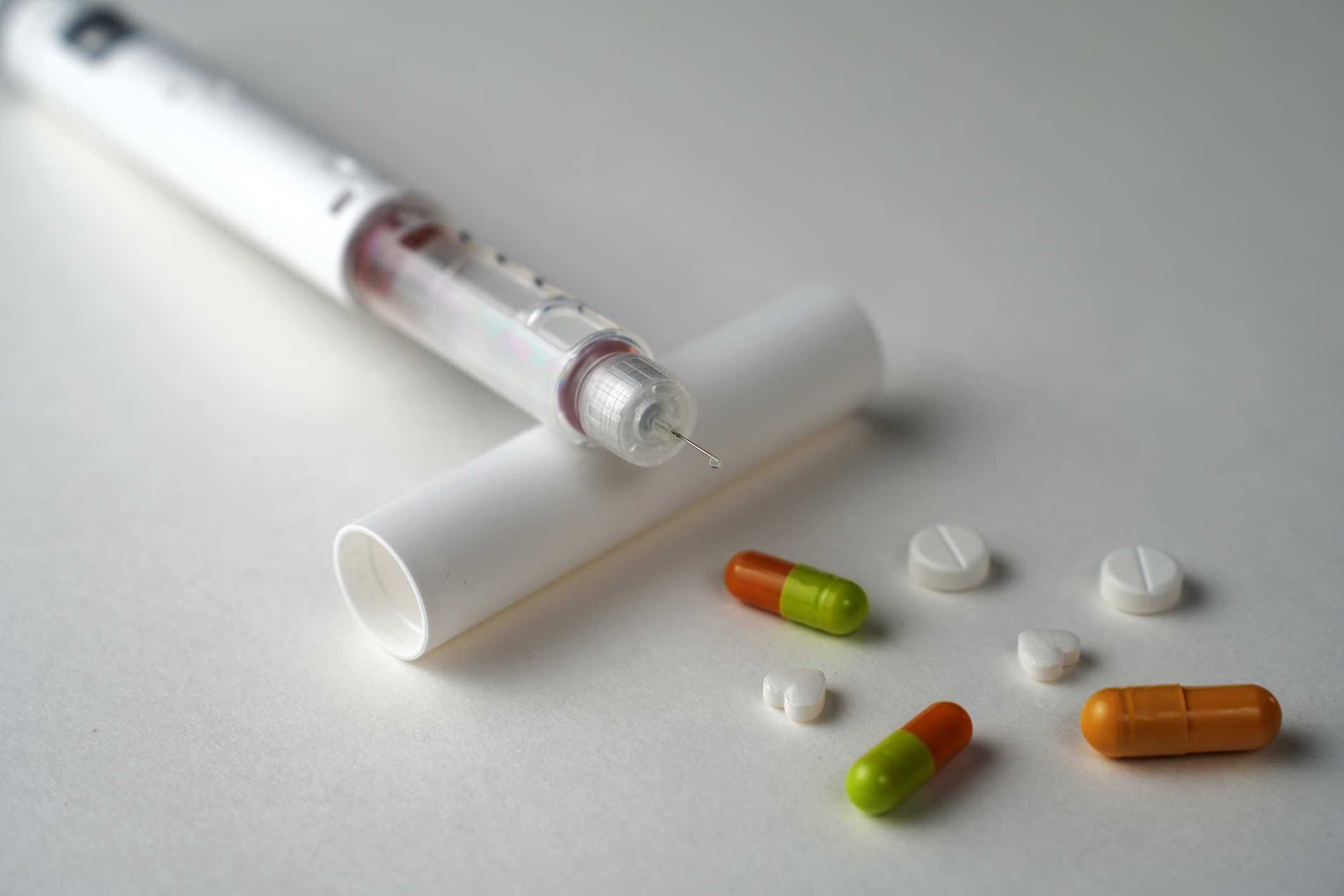
Injectable GLP-1 receptor agonists and the dual GIP/GLP-1 agonist tirzepatide have redefined pharmacological obesity treatment and achieved weight loss in the range of 15 to 20% in clinical trials. Nevertheless, real-world use remains limited—due to the injection itself, costs, cold-chain requirements, supply shortages, and often unsatisfactory adherence to treatment. The World Health Organization clearly highlighted this disparity in 2025: Even with rapid expansion of production, fewer than 10% of those who could potentially be treated are expected to actually have access to these substances by 2030. An effective, easily scalable oral option thus addresses not merely a matter of convenience, but a critical gap in care.
Publikation
- Ernährung/Adipositas-Special