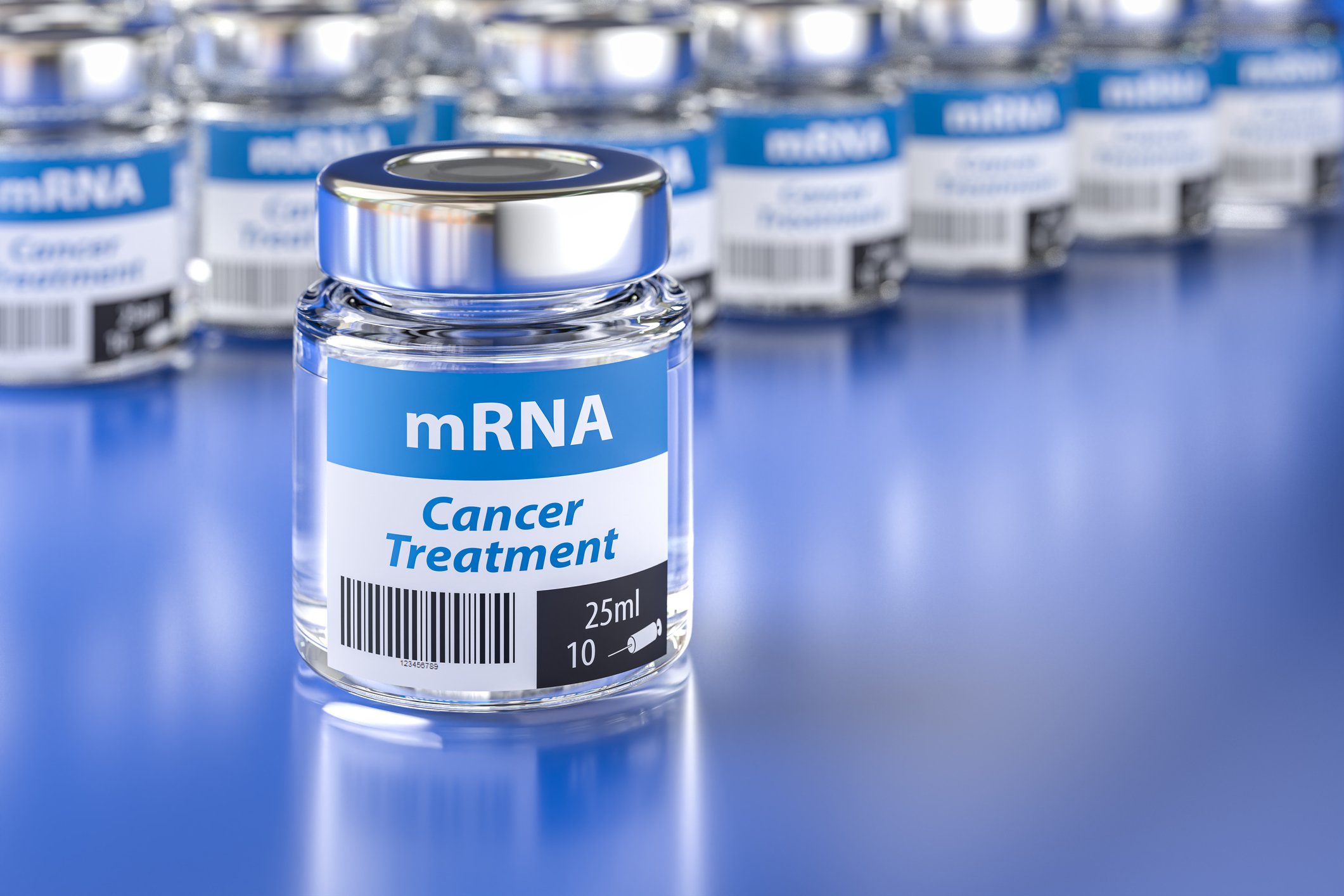
mRNA technology has experienced its global breakthrough as a result of the COVID-19 pandemic and has long been clinically established. In oncology, however, the actual translation is only now beginning. Opportunities and risks are closely linked – from precise immune activation to the challenge of tumor heterogeneity. Preclinical models demonstrate the potential of mRNA and neoantigen vaccines; clinical studies and congress reports show promising results in melanoma, pancreatic carcinoma, endometrial carcinoma and other tumor entities.
Autoren
- Dr. oec. Odile Schwarz-Herion
Publikation
- InFo ONKOLOGIE & HÄMATOLOGIE

Related Topics
- Adjuvant formulations
- CD8+ T cells
- Combined immune strategies
- Endometrial Cancer
- malignant melanoma and NSCLC
- Neoantigen identification
- Neoantigen vaccines and mRNA vaccines. synthetic long peptides (SLPs)
- Pancreatic Cancer
- Patient-specific tumor mutations (neoantigens)
- PD-1 blockade
- Poly I:C
- TLR3
- Tumor microenvironment
- Type I interferon response
You May Also Like
- Lung cancer
Multidisciplinary teams in oncology
- Diagnostics of respiratory viral infections
What is tested when and on whom?
- Seborrheic dermatitis in adults
Do not underestimate the symptom burden
- SGLT2 inhibitors
Clear, simple language improves patient safety
- Moderate to severe atopic dermatitis
Established and novel biologics – the therapeutic landscape is in flux
- Recognize CKD early and avoid dialysis
Screen diabetics and hypertensive patients regularly and use modern therapies
- From symptom to diagnosis
Abdominal pain – Inguinal testicles
- Case series