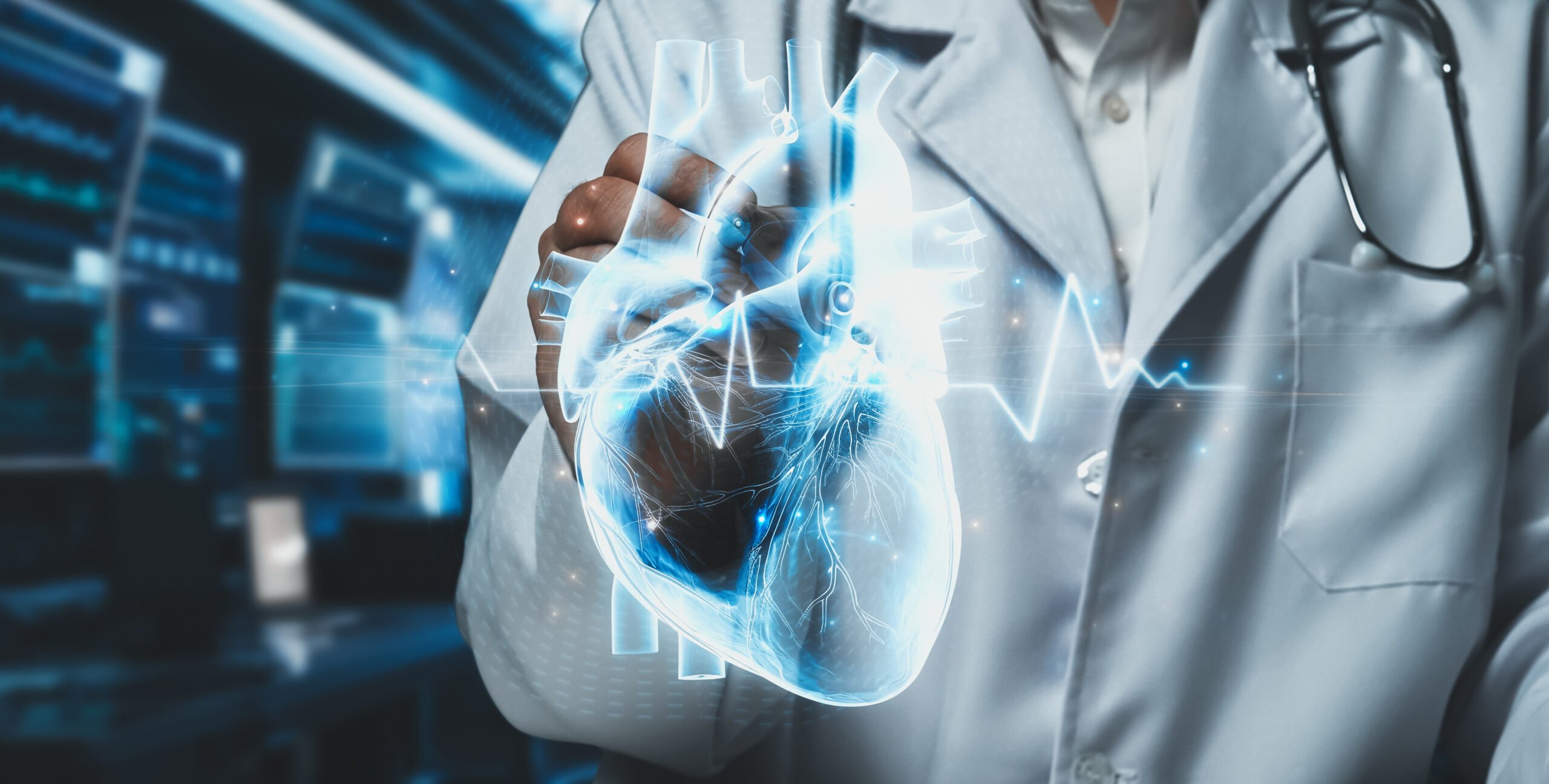
Herbal preparations and “natural” dietary supplements are frequently used by patients with cardiovascular disease – often in the hope of “gently” influencing blood pressure, lipids or symptoms. However, guidelines from European and American professional societies unanimously emphasize that phytotherapeutics and dietary supplements should not replace established lifestyle and pharmacotherapy. In particular, the 2025 focused ESC/EAS update on dyslipidemia therapy concludes, after reviewing the available evidence, that there is insufficient evidence for any supplement that lowers LDL cholesterol while improving cardiovascular risk with reasonable safety.
Autoren
- Tanja Schliebe
Publikation
- PHYTOTHERAPIE PRAXIS
Related Topics
You May Also Like
- Respiratory infections: viral bronchitis or bacterial pneumonia?
Old crucial question in the light of current findings
- What biomarkers reveal about "biological youth" - and what not (yet)
Epigenetic ageing
- Amyotrophic lateral sclerosis and nutrition
Calorie optimization in ALS through digital intervention
- "Forgotten axis" between plant substances, gut and systemic health
Microbiome and phytotherapy
- HIV: updated EACS guideline
Individualized approach to sustainable prevention and care
- Evidence-based diagnostics and treatment in the medical setting
Anxiety and depression disorders in adolescence
- Neuroenhancement
Can you swallow intelligence? Relevant substance classes times for healthy people
- Microbiome, inflammaging and affective/cognitive health