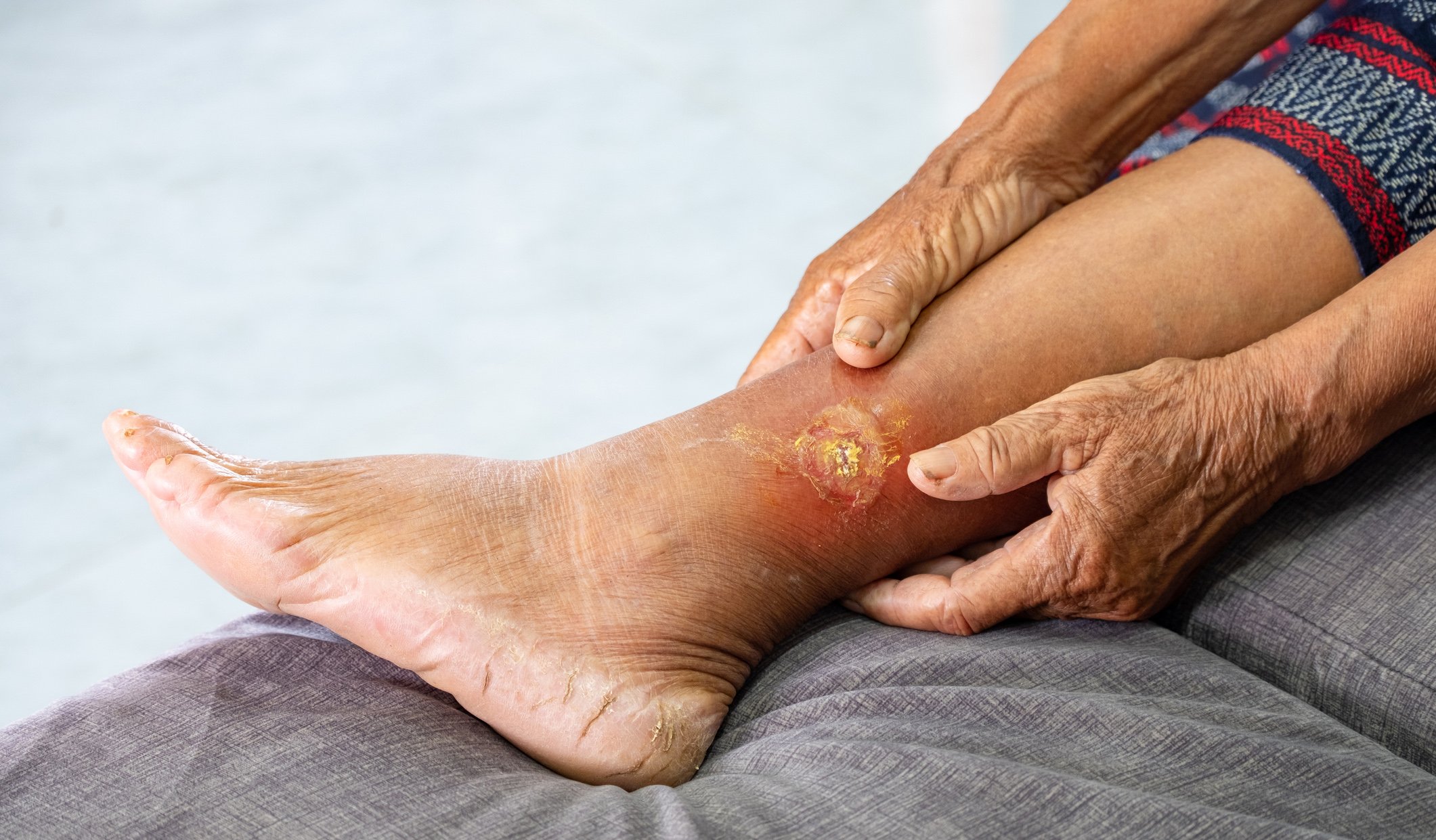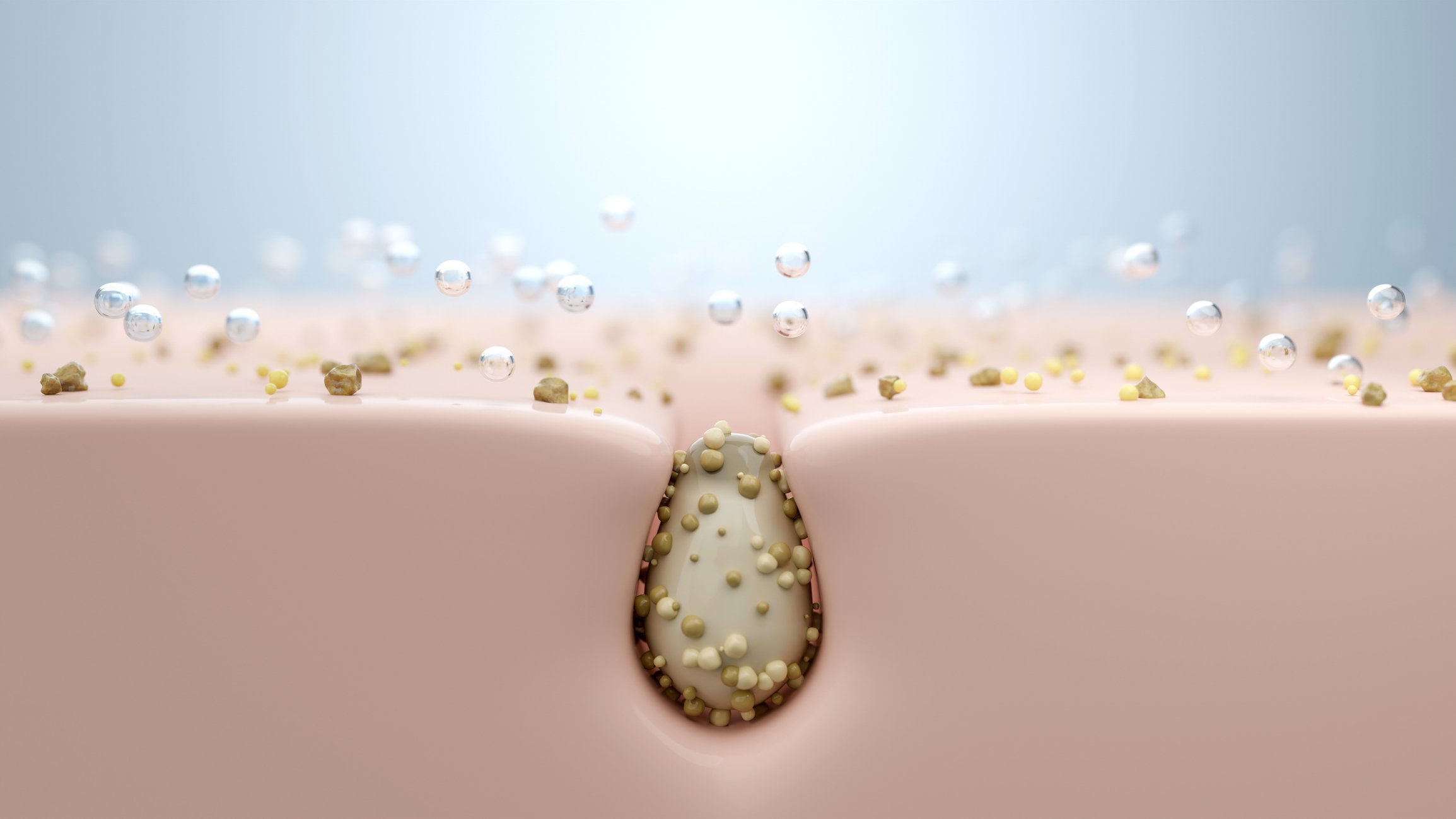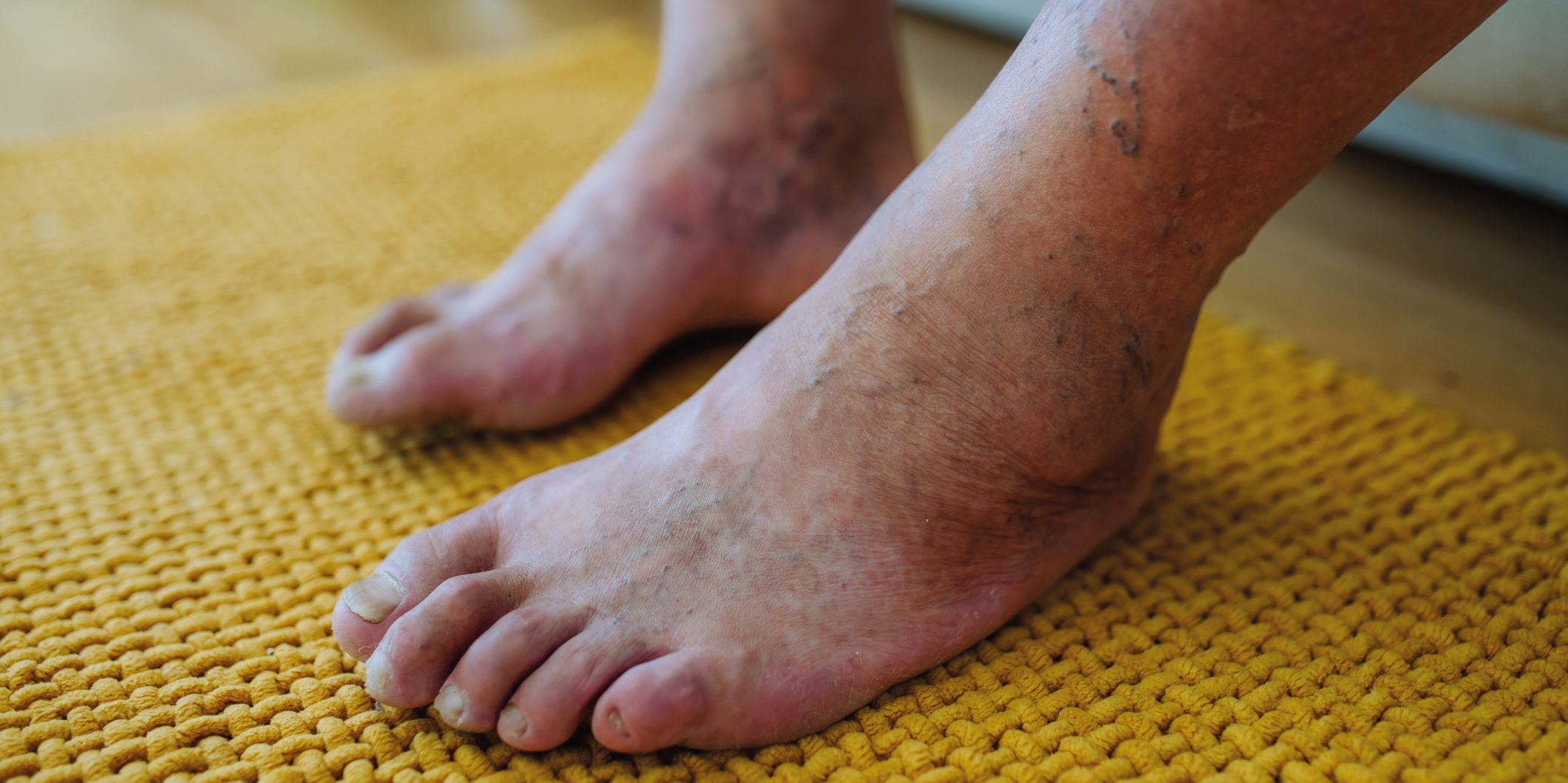
Arteriosclerosis, the cause of peripheral arterial occlusive disease (PAOD), is a build-up of plaque in the arteries. Elevated blood sugar levels in the context of diabetes damage the arteries and promote the deposition of plaque. PAOD and neuropathy are among the most important predisposing factors of diabetic foot syndrome.
Autoren
- Mirjam Peter, M.Sc.
Publikation
- HAUSARZT PRAXIS

Related Topics
You May Also Like
- Angiosarcoma of the heart
A diagnostic and therapeutic “black box”
- Ataxias
Friedreich’s ataxia: when the energy metabolism attacks the nervous system
- Risk of osteoporosis in autoimmune liver diseases
Always determine bone density in PBC, PSC and AIH
- Case report: Complication after type 2 diabetes
Topical corticosteroids lead to ketoacidosis
- NSCLC
Bispecific antibodies for rare EGFR mutations
- Type 2 diabetes - glycemic control and prevention of secondary diseases
Utilizing pleiotropic cardio- and nephroprotective effects of SGLT-2-i and GLP-1-RA
- Subsyndromal anxiety disorders: Family doctor as first point of contact
Practical recommendations for diagnostics and therapy
- Patient-centered rounds in medicine