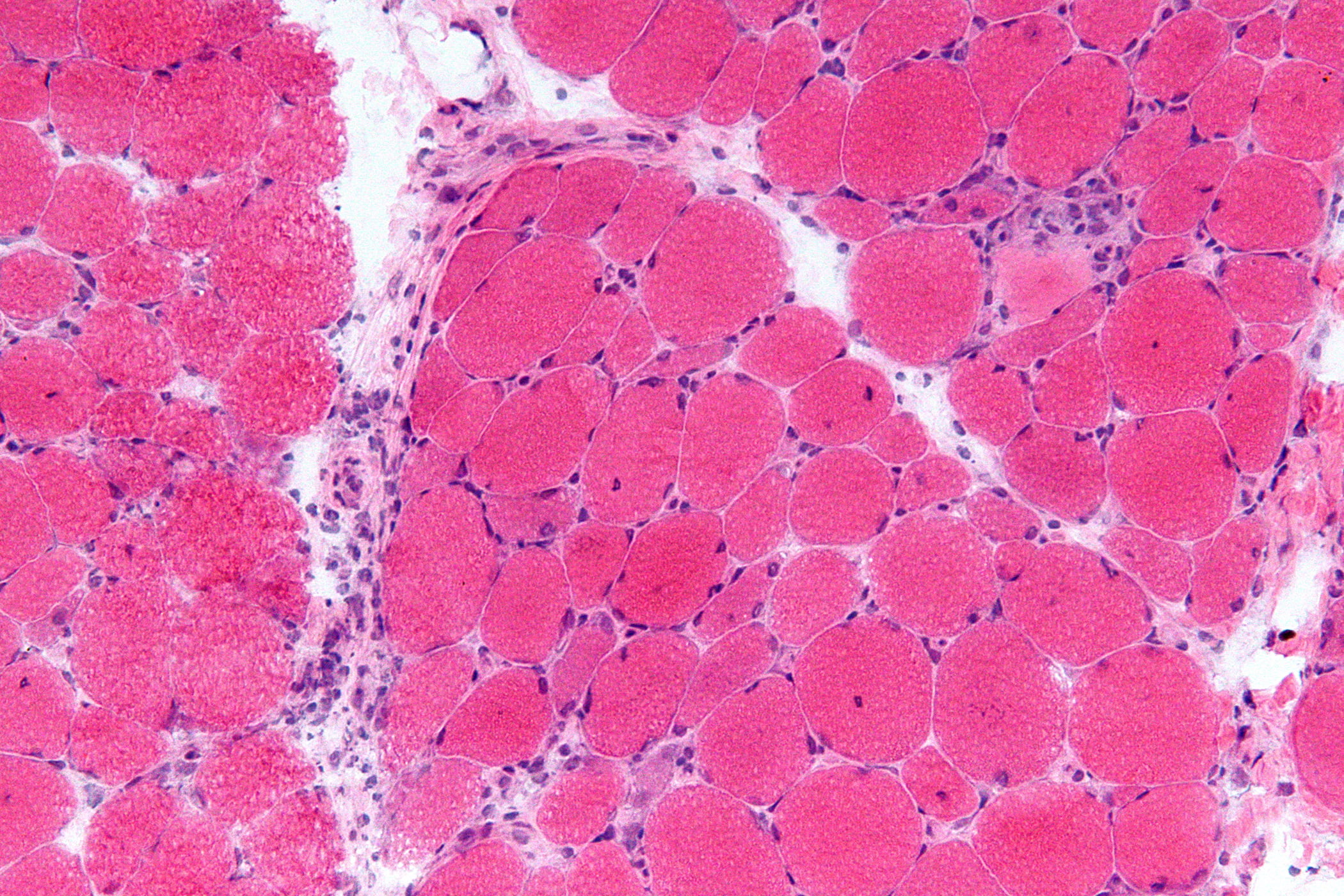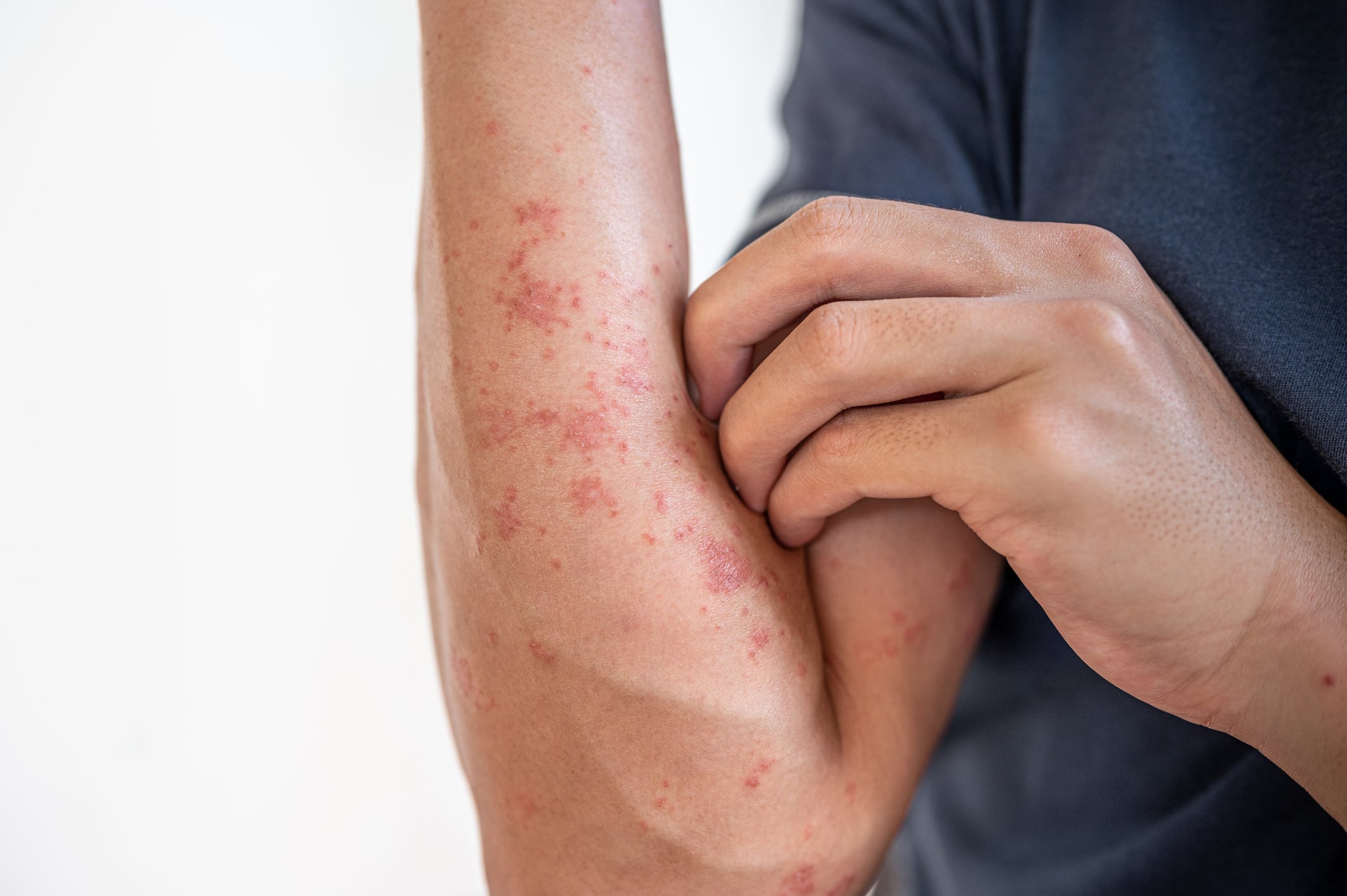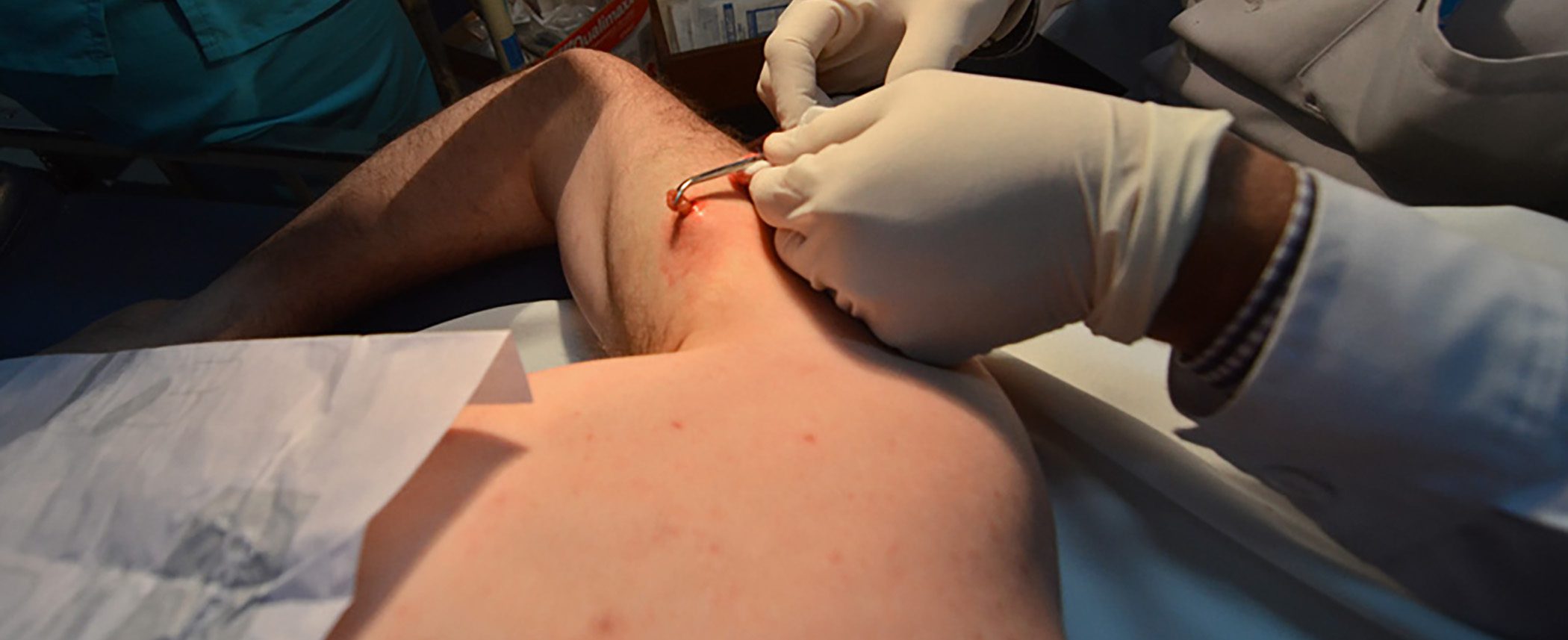
When the fly larvae penetrate and develop in the tissue, swelling, pain, redness and inflammation can occur in the affected areas. In some cases, the movements of the fly larvae are visible under the skin. In advanced cases of myiasis, abscesses or ulcers may occur. The aim of treatment is to completely remove the larva with minimal trauma to the surrounding tissue.
Autoren
- Mirjam Peter, M.Sc.
Publikation
- DERMATOLOGIE PRAXIS

Related Topics
You May Also Like
- Osgood-Schlatter Disease
Clinical Presentation, Diagnosis, and Treatment
- Cardiovascular Risk in Rheumatoid Arthritis
What is the most dangerous thing for RA?
- Antisense oligonucleotide for severe hypertriglyceridemia
Reduced Incidence of Acute Pancreatitis
- Hereditary Transthyretin Amyloidosis with Polyneuropathy
New Treatment Options for ATTRv-PN
- Type 1 Diabetes: A New Disease-Modifying Treatment Approach
Slowing the loss of β-cell function and delaying the progression of the disease
- Liver Cancer
Artificial Intelligence in Precision Oncology—Opportunities and Challenges
- Acute nonspecific back pain
Implementing a biopsychosocial approach
- Biophilic Design of Work Environments