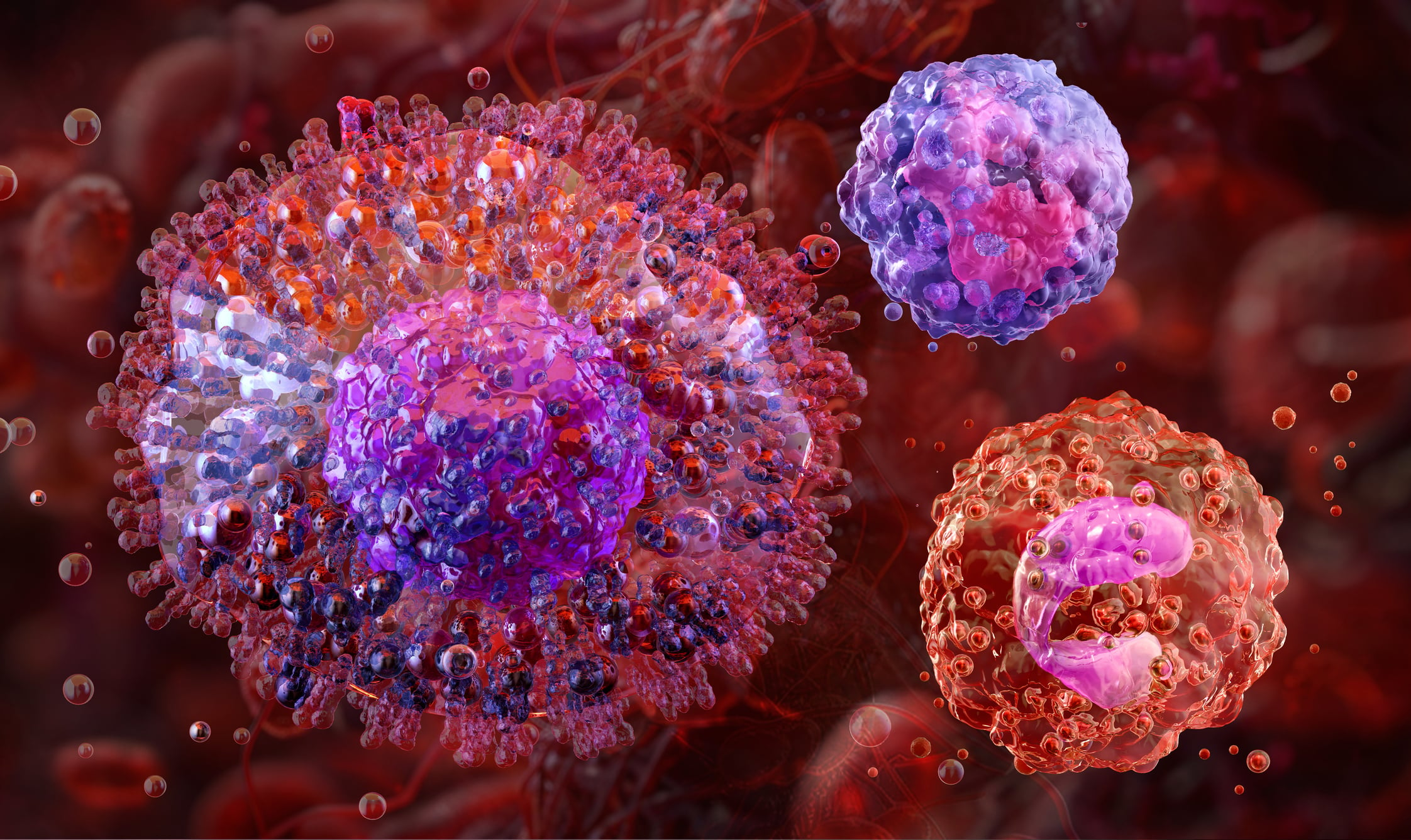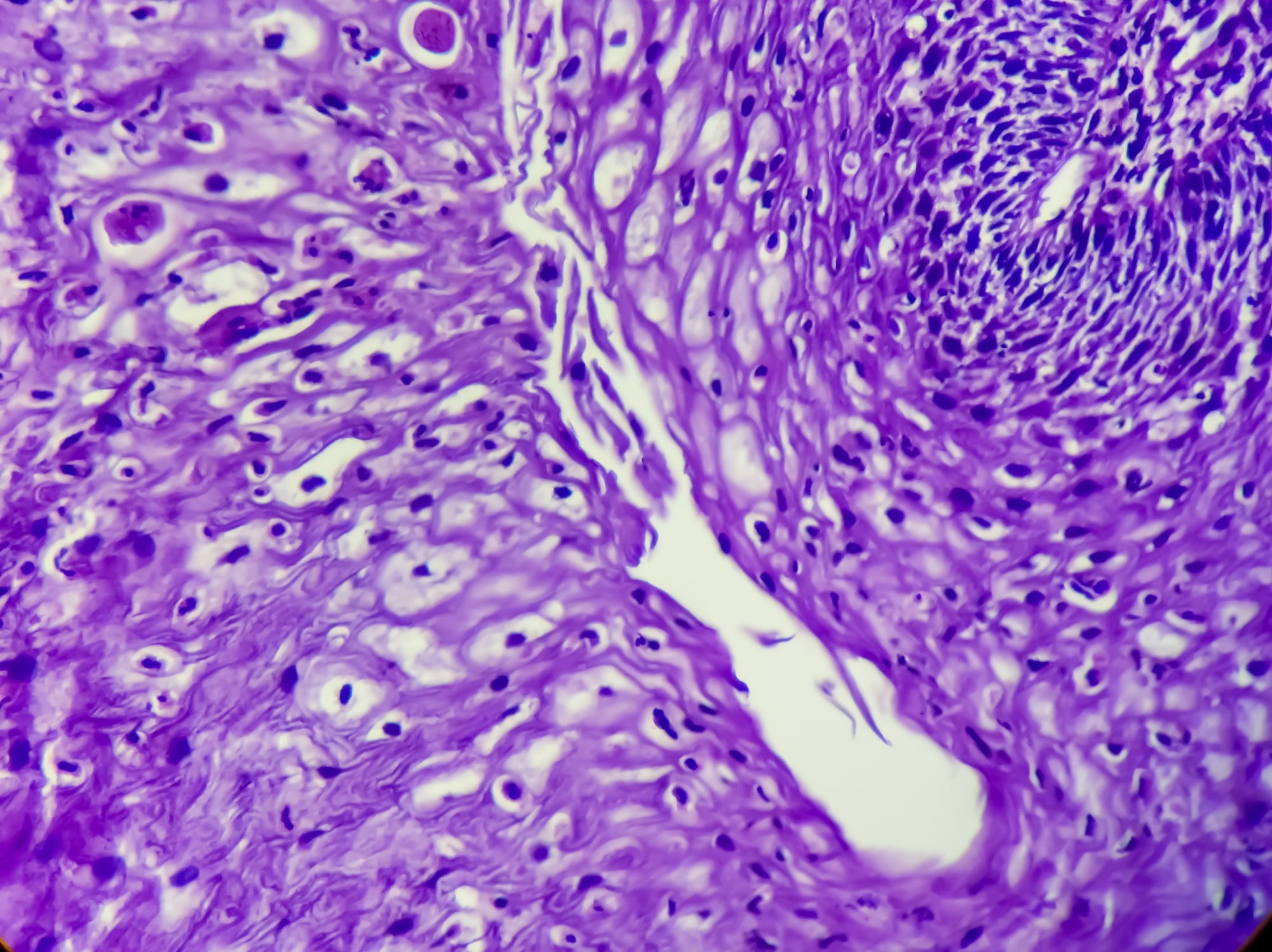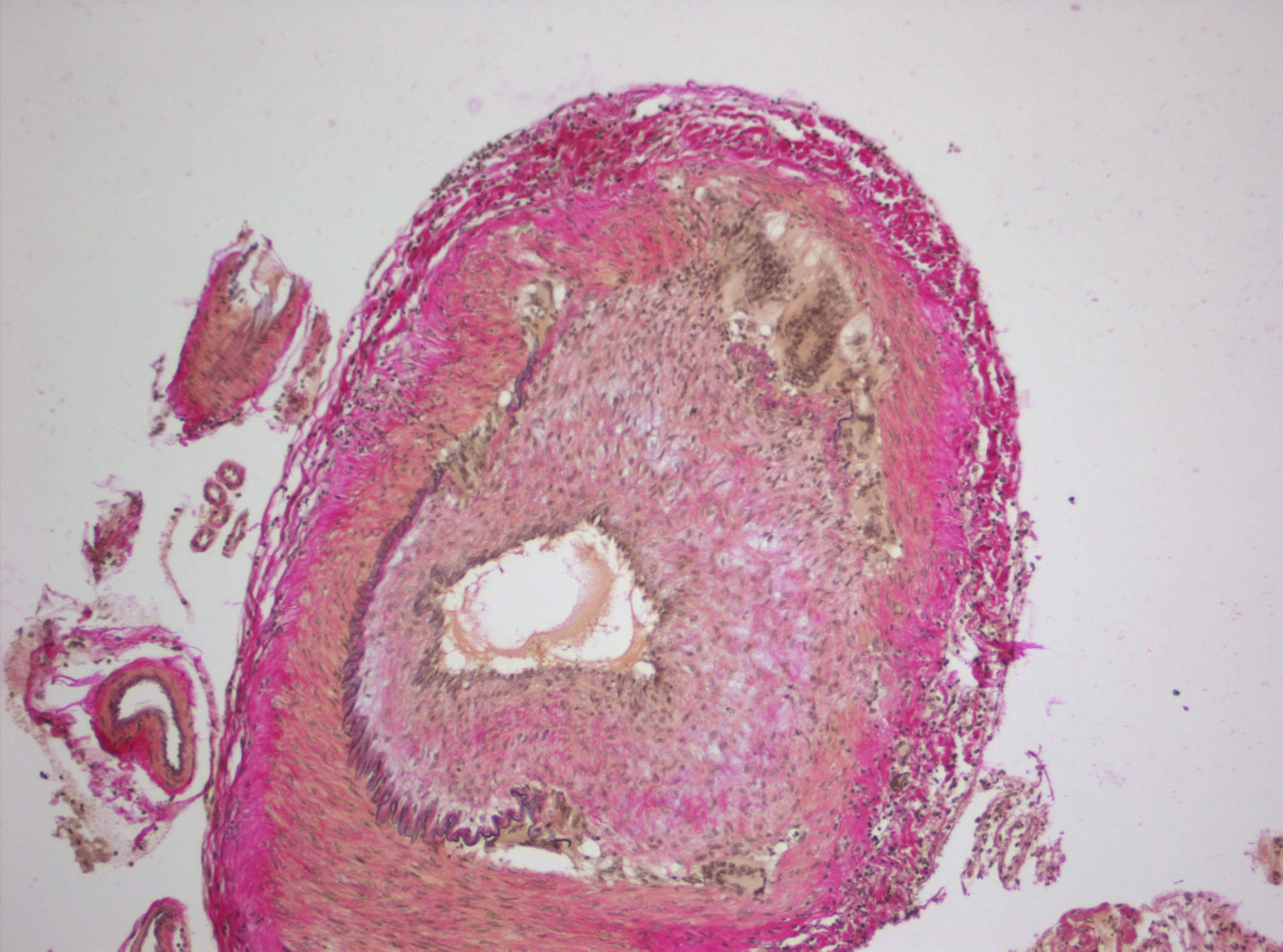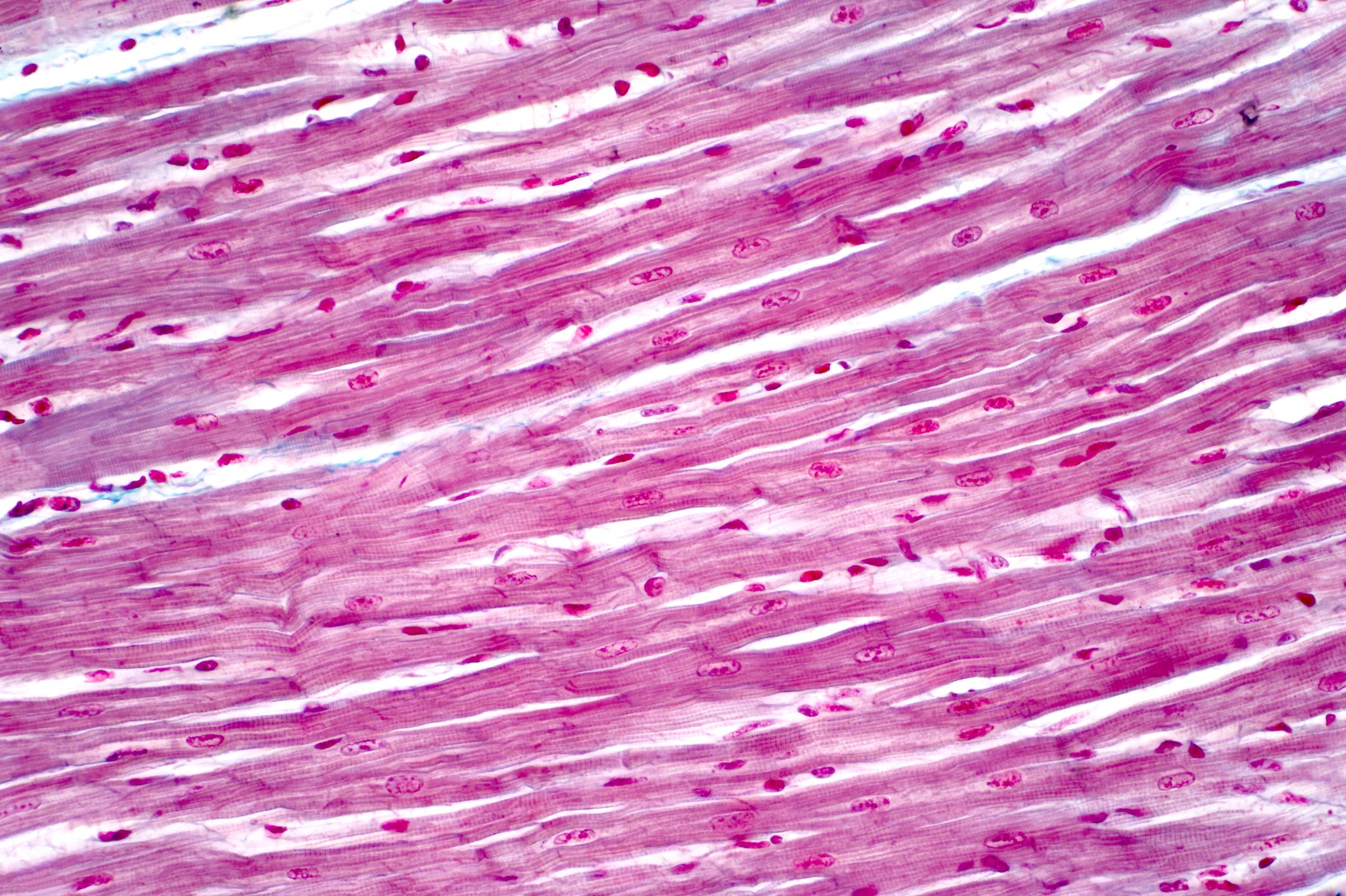
The heart is not just a mechanical pump, but a highly complex organ whose performance depends largely on finely tuned intracellular signaling networks in the cardiomyocytes. These signaling pathways constantly regulate processes such as contraction, calcium and energy metabolism, cell survival and regeneration. A healthy balance of these networks ensures that the heart can adapt its pumping capacity to changing physical demands. However, if individual signaling pathways suffer malfunctions, subclinical changes can develop unnoticed into serious diseases such as heart failure, arrhythmias or cardiomyopathies.
Publikation
- CARDIOVASC