Medizinonline Medizinonline
  • News
    • News
    • Market & Medicine
  • Patients
    • Disease patterns
    • Diagnostics
    • Therapy
  • Partner Content
    • Diabetes
      • Dia-Month Club – Type 2 Diabetes
      • Diabetes in Motion
    • Gastroenterology
      • IBD matters
    • Oncology
      • Swiss Oncology in motion
    • Orthopedics
      • Osteoporosis in motion
  • Departments
    • Allergology and clinical immunology
    • General Internal Medicine
    • Anesthesiology
    • Angiology
    • Surgery
    • Dermatology and venereology
    • Endocrinology and Diabetology
    • Nutrition
    • Gastroenterology and Hepatology
    • Genetics
    • Geriatrics
    • Gynecology
    • Hematology
    • Infectiology
    • Cardiology
    • Nephrology
    • Neurology
    • Emergency and intensive care medicine
    • Nuclear Medicine
    • Oncology
    • Ophthalmology
    • ORL
    • Orthopedics
    • Pediatrics
    • Pharmacology and toxicology
    • Pharmaceutical medicine
    • Phlebology
    • Physical medicine and rehabilitation
    • Pneumology
    • Prevention and health care
    • Psychiatry and psychotherapy
    • Radiology
    • Forensic Medicine
    • Rheumatology
    • Sports Medicine
    • Traumatology and trauma surgery
    • Tropical and travel medicine
    • Urology
    • Dentistry
  • CME & Congresses
    • CME continuing education
    • Congress Reports
    • Congress calendar
  • Practice
    • Noctimed
    • Practice Management
    • Jobs
    • Interviews
  • Log In
  • Register
  • My account
  • Contact
  • Publications
  • Contact
  • Deutsch
  • English
  • Français
  • Italiano
  • Português
  • Español
Subscribe
Medizinonline Medizinonline
  • News
    • News
    • Market & Medicine
  • Patienten
    • Krankheitsbilder
    • Diagnostik
    • Therapie
  • Partner Content
    • Diabetes
      • Dia-Month Club – Type 2 Diabetes
      • Diabetes in Motion
    • Gastroenterology
      • IBD matters
    • Oncology
      • Swiss Oncology in motion
    • Orthopedics
      • Osteoporosis in motion
    • Phytotherapie
    • Rheumatology
  • Departments
    • Fachbereiche 1-13
      • Allergology and clinical immunology
      • General Internal Medicine
      • Anesthesiology
      • Angiology
      • Surgery
      • Dermatology and venereology
      • Endocrinology and Diabetology
      • Nutrition
      • Gastroenterology and Hepatology
      • Genetics
      • Geriatrics
      • Gynecology
      • Hematology
    • Fachbereiche 14-26
      • Infectiology
      • Cardiology
      • Nephrology
      • Neurology
      • Emergency and intensive care medicine
      • Nuclear Medicine
      • Oncology
      • Ophthalmology
      • ORL
      • Orthopedics
      • Pediatrics
      • Pharmacology and toxicology
      • Pharmaceutical medicine
    • Fachbereiche 26-38
      • Phlebology
      • Physical medicine and rehabilitation
      • Phytotherapy
      • Pneumology
      • Prevention and health care
      • Psychiatry and psychotherapy
      • Radiology
      • Forensic Medicine
      • Rheumatology
      • Sports Medicine
      • Traumatology and trauma surgery
      • Tropical and travel medicine
      • Urology
      • Dentistry
  • CME & Congresses
    • CME continuing education
    • Congress Reports
    • Congress calendar
  • Practice
    • Noctimed
    • Practice Management
    • Jobs
    • Interviews
Login

Sie haben noch keinen Account? Registrieren

  • Neither under nor over treatment

Principles of lymphoma therapy in elderly patients

    • Congress Reports
    • Geriatrics
    • Hematology
    • Oncology
    • RX
  • 3 minute read

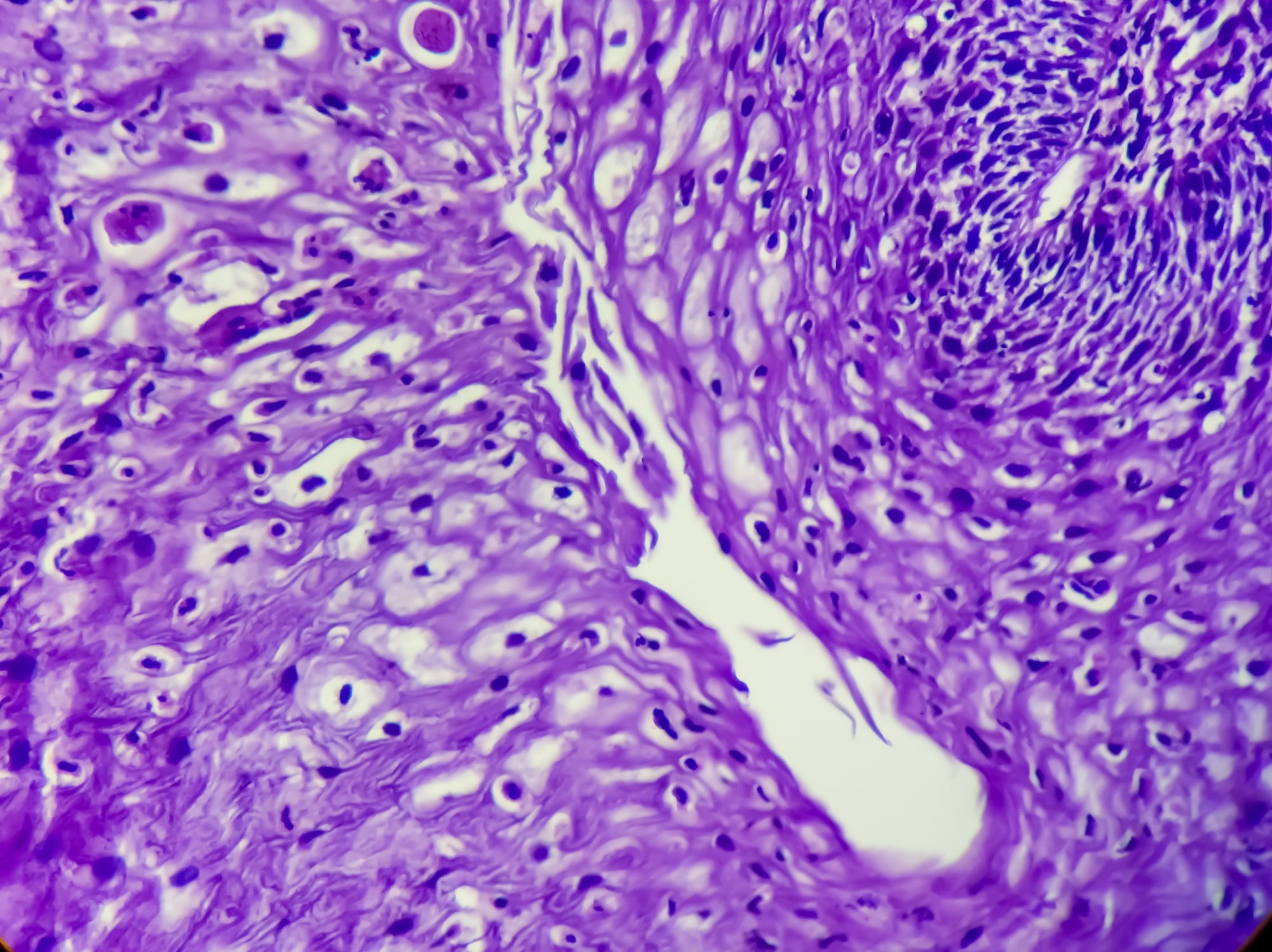
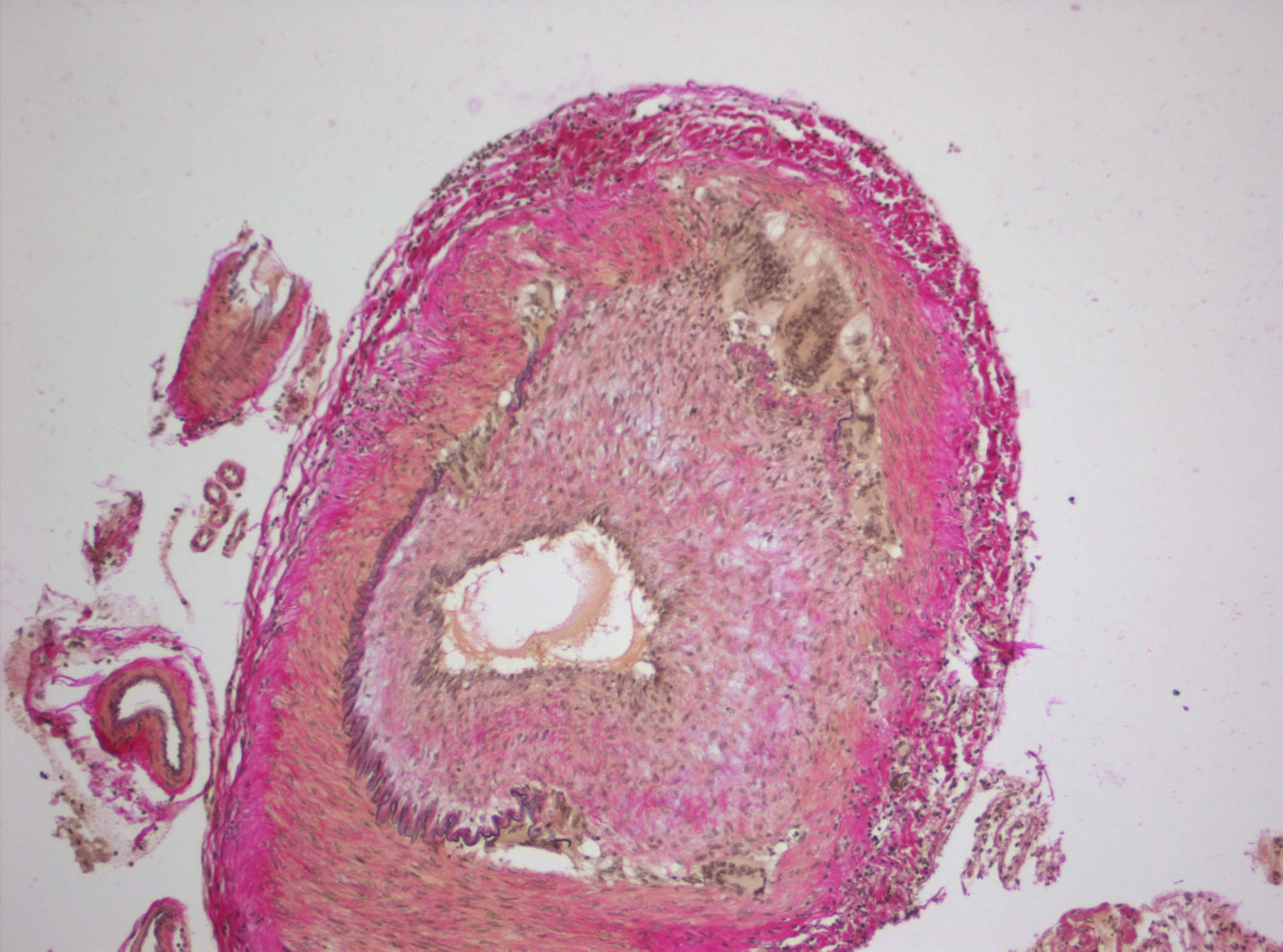
The elderly often cannot be treated as aggressively as younger people for cancer. But at the same time, you don’t want to deprive someone of an effective medication “just” because they are old. When is therapy “too much,” and when does undertreatment begin? This was the topic of discussion by renowned speakers at the “onko.geriatrie” training event on November 21, 2015. Prof. Michele Ghielmini, MD, Oncology Institute of Southern Switzerland (IOSI), provided information on the treatment of lymphoma in elderly patients in his presentation.

In the years between 1970 and 2000, the incidence of lymphoma has steadily increased, especially in persons over 70 years of age – the reason for this is unknown. Accordingly, older patients are frequently affected by hematological diseases. Treating older patients can be difficult because they tolerate the toxicity of chemotherapy more poorly than younger people; in addition, older people have more genetic changes that cause tumors to become more resistant to treatments.

Studies show that older patients are more likely to go untreated than younger patients [1]. “We don’t know whether this abandonment of treatment is justified, for example, because of comorbidities, or whether it is based on the prejudice that therapy is no longer worthwhile at an older age,” the speaker said. There is no specific reason why the elderly should not be treated in the same way as younger people, but therapies must be adapted to the specific situation of the elderly. The following principles apply:

  • Risk-adapted therapies and supportive
  • Implement measures
  • Seeking a cure for curable diseases
  • Minimize toxicity
  • Maximize quality of life and outcome.

Diffuse large B-cell lymphoma (DLBCL)

DLBCL is a very aggressive lymphoma that patients typically survive only a few weeks to months without treatment, but it is potentially curable. First-line treatment consists of administration of R-CHOP21, with high-dose chemotherapy (HDCT) with stem cell transplantation (STX) in case of relapse. The question arises whether elderly patients also need to be treated with R-CHOP, but retrospective studies show that patients, even over 80 years old, have a much better prognosis when they receive R-CHOP [2]. For this reason, you should definitely try therapy.

Toxicity is greatest during the first few cycles of treatment, so “prephase” treatment is recommended. To mitigate cardiotoxicity, gemcitabine or etoposide can be given instead of doxorubicin – with these two agents, disease control is also good. In case of recurrence, STX can be performed in fit individuals up to 75 years of age. Overall survival (OS) and progression-free survival (PFS) are as good as in younger subjects.

Mantle cell lymphoma, follicular lymphoma, chronic lymphocytic leukemia

Mantle cell lymphoma (MCL) is not curable, with an average survival of five years. R-CHOP is given as first-line treatment in the advanced stage. A good alternative to this is the administration of bendamustine + rituximab (fewer side effects) or CHOP with rituximab as maintenance therapy. Both strategies improve the prognosis of MCL patients. Substitution of bortezomib for vincristine may also prolong PFS.

Follicular lymphoma (FL) is also non-curable but very indolent: the average survival is 15 years. For this reason, treatment is not started until symptoms appear. Whether CHOP is really necessary in such a slow-moving disease is controversial, as several studies have shown that aggressive therapies prolong PFS but do not have a positive impact on overall survival. In FL grade 1 and 2, the combination of bendamustine + rituximab is effective. However, grade 3B FL must still be treated with chemotherapy containing doxorubicin, as this significantly improves prognosis.

In chronic lymphocytic leukemia (CLL), mutation status plays an important role. In fit patients, FCR (fludarabine, cyclophosphamide, rituximab) remains the standard therapy, but for older (over 65 years) resp. vulnerable patients, this regimen is too toxic and the risk of infection increases disproportionately. These patients are treated with bendamustine + rituximab, and very frail individuals are treated with chlorambucil.

Take-home-messages

Finally, Michele Ghielmini formulated some principles that apply to the therapy of elderly patients with lymphoma diseases:

  • Evaluate frailty in all patients over 70 years of age.
  • Select the best therapy regime so that the
  • Patients are neither under- nor over-treated
  • Start with a prephase treatment
  • Reduce the dosage for frail persons
  • Prophylaxis of infections with G-CSF and
  • Antibiotics
  • Administer transfusions
  • Provide support at home.

Source: Interdisciplinary Continuing Education Platform “onko.geriatrie”, November 21, 2015, Zurich.

Literature:

  1. Hamlin PA, et al: Treatment patterns and comparative effectiveness in elderly diffuse large B-cell lymphoma patients: a surveillance, epidemiology, and end results-medicare analysis. Oncologist 2014; 19(12): 1249-1257.
  2. van der Schans SAM, et al: Two sides of the medallion: poor treatment tolerance but better survival by standard chemotherapy in elderly patients with advanced-stage diffuse large B-cell lymphoma. Annals of Oncology 2012; 23: 1280-1286.


InFo ONCOLOGY & HEMATOLOGY 2016; 4(1): 54-55.

Autoren
  • Dr. med. Eva Ebnöther
Publikation
  • InFo ONKOLOGIE & HÄMATOLOGIE
Related Topics
  • CLL
  • Lymphoma
  • R-CHOP
Previous Article
  • Case reports suggest possible efficacy

A Swiss drug with Tibetan background against restless legs syndrome?

  • General Internal Medicine
  • Neurology
  • News
  • Pharmacology and toxicology
  • RX
View Post
Next Article
  • 25 years Pfizer Research Award

From electric shocks in addiction and noses from the lab

  • News
  • Prevention and health care
  • RX
View Post
You May Also Like
View Post
  • 27 min
  • Across All Types of Cancer

Four-Legged Medical Assistants – Therapy Dogs in Clinical Settings

    • RX
    • CME continuing education
    • General Internal Medicine
    • Geriatrics
    • Hematology
    • Oncology
    • Pediatrics
    • Physical medicine and rehabilitation
    • Prevention and health care
    • Studies
View Post
  • 8 min
  • Obesity: More than half of those affected have fatty liver disease

From screening to multimodal intervention with GLP-1-RA or resmetirom

    • RX
    • Education
    • Endocrinology and Diabetology
    • Gastroenterology and Hepatology
    • General Internal Medicine
    • Nutrition
    • Studies
View Post
  • 6 min
  • Innovative Oral Treatment Options for Psoriasis: Icotrokinra and Zasocitinib

First-class immunomodulation combined with convenience—the data available so far is convincing

    • RX
    • Congress Reports
    • Dermatology and venereology
    • Rheumatology
    • Studies
View Post
  • 4 min
  • Preclinical Study on a Special Ginkgo biloba Extract

What role do proanthocyanidins play?

    • RX
    • Education
    • General Internal Medicine
    • Geriatrics
    • Neurology
    • Pharmaceutical medicine
    • Pharmacology and toxicology
    • Phytotherapy
    • Studies
View Post
  • 6 min
  • Myasthenia gravis: immunomodulatory therapies for long-term treatment

Expanded Possibilities Thanks to Innovative Classes of Active Ingredients

    • RX
    • Congress Reports
    • General Internal Medicine
    • Neurology
    • Ophthalmology
    • Studies
View Post
  • 10 min
  • Interstitial Lung Diseases

Update on Idiopathic Pulmonary Fibrosis

    • RX
    • CME continuing education
    • Pneumology
    • Studies
View Post
  • 7 min
  • Plastic surgery and reconstructive microsurgery for DFS

Functional limb preservation between infection control, vascular medicine and resurfacing

    • RX
    • Angiology
    • CME continuing education
    • Dermatology and venereology
    • Endocrinology and Diabetology
    • General Internal Medicine
    • Geriatrics
    • Physical medicine and rehabilitation
    • Surgery
View Post
  • 7 min
  • Ischemic stroke: Are smaller or larger brain arteries affected?

Recent study findings on intravenous lysis therapy with fibrinolytic agents

    • RX
    • Congress Reports
    • Emergency and intensive care medicine
    • General Internal Medicine
    • Neurology
    • Pharmacology and toxicology
    • Studies
    • Surgery
  • IBD matters

    Zum Thema
Top CME content
  • 1
    Four-Legged Medical Assistants – Therapy Dogs in Clinical Settings
  • 2
    Functional limb preservation between infection control, vascular medicine and resurfacing
  • 3
    Update on Idiopathic Pulmonary Fibrosis
  • 4
    Update on Idiopathic Pulmonary Fibrosis
  • 5
    Current status of PAT

Newsletter

Sign up and stay up to date

Subscribe
Medizinonline Medizinonline
  • Contact
  • General terms and conditions
  • Imprint

Input your search keywords and press Enter.